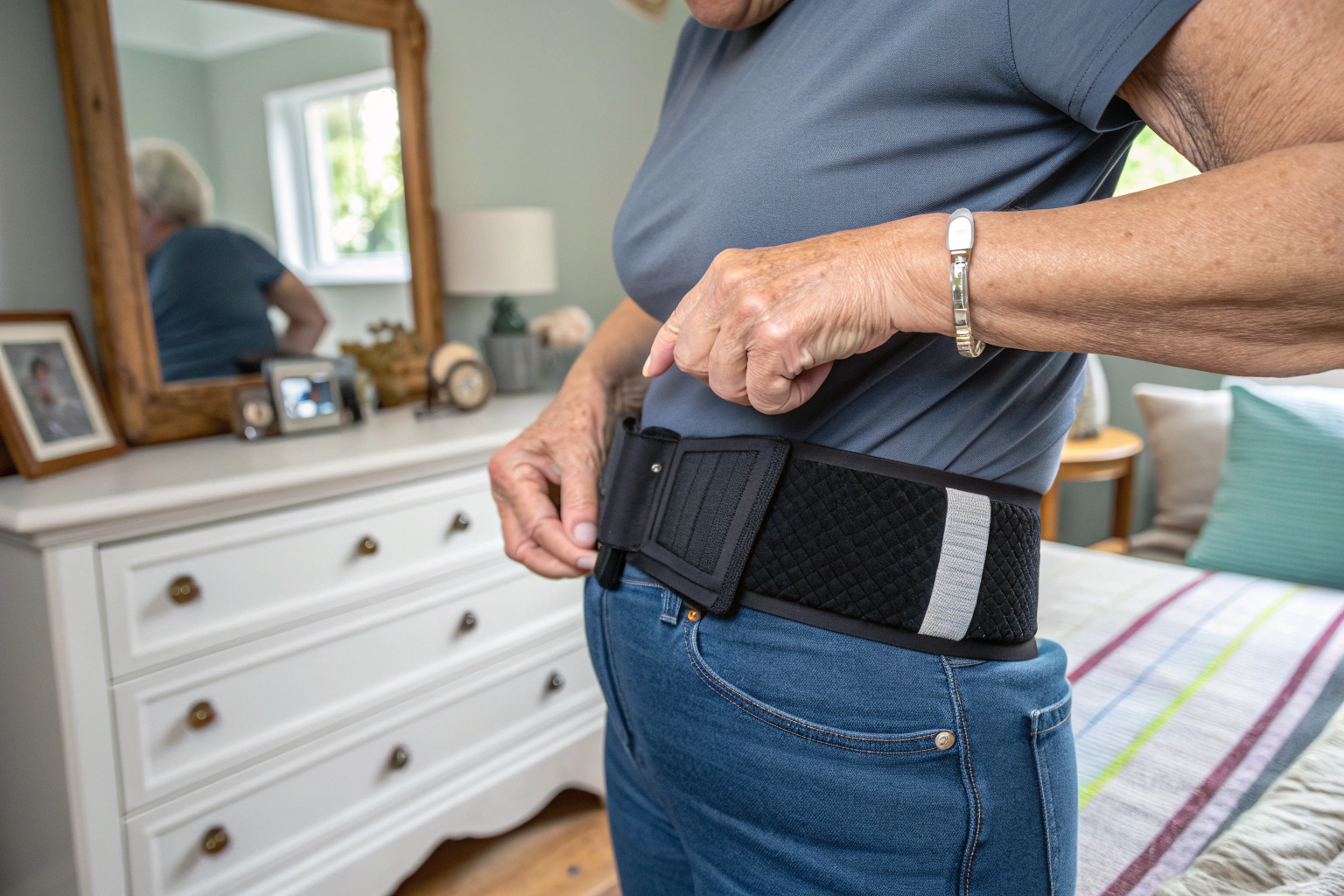
For millions living with arthritis, the simple act of fastening a traditional belt buckle transforms from an automatic daily task into a painful, frustrating challenge that highlights their physical limitations. The fine motor skills required to manipulate conventional belt mechanisms—threading leather through buckles, aligning holes with pins, applying pressure to secure closures—become increasingly difficult as joint inflammation, stiffness, and pain progress.
Magnetic closure belts are essential for arthritis sufferers because they eliminate the dexterity requirements, reduce pain during fastening, provide adjustable comfort throughout the day, and restore independence in dressing. These specialized belts replace mechanical complexity with magnetic simplicity, requiring only approximate positioning before magnets snap securely into place. This fundamental redesign addresses both the physical limitations and psychological impacts of arthritis, making dressing easier while preserving dignity.
As arthritis prevalence increases with aging populations worldwide, understanding how magnetic closure belts meet specific needs of this demographic reveals important insights about inclusive design and market opportunities in adaptive fashion.
How Do Magnetic Closures Address Physical Limitations?
The biomechanical advantages of magnetic systems directly counter the specific challenges arthritis creates in hand function and mobility.
What Dexterity Challenges Do Magnetic Closures Overcome?
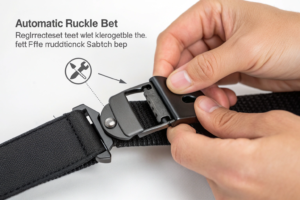
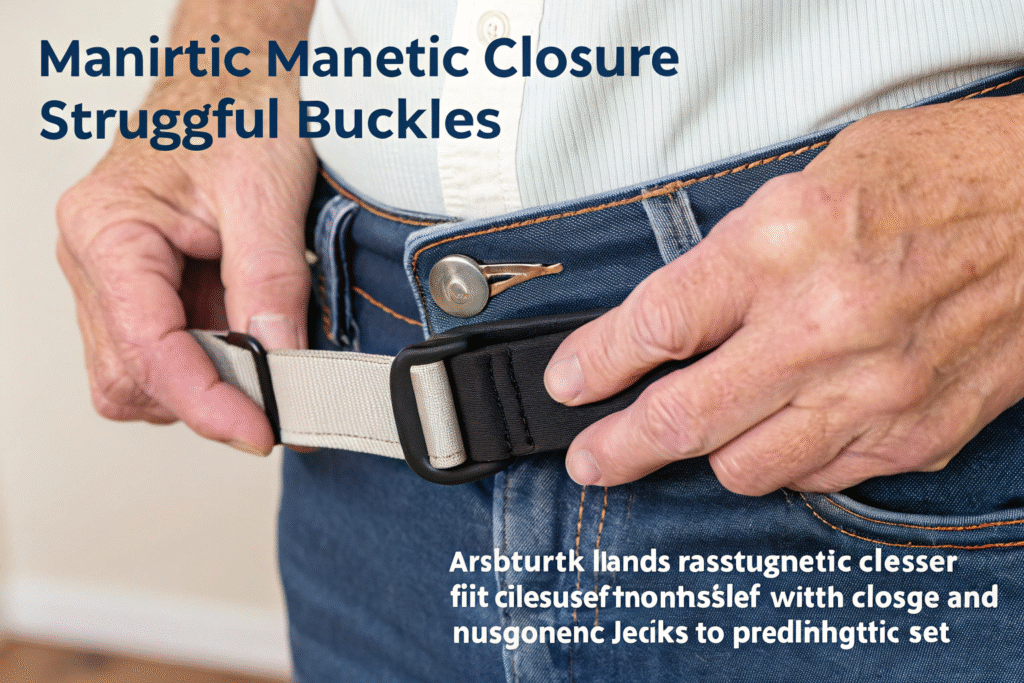
Arthritis progressively diminishes hand function in multiple ways that magnetic closures specifically address. The disease causes joint pain that makes pressing small components painful, stiffness that limits finger range of motion, and swelling that reduces precision grip capability. Traditional belt buckles require precisely coordinated movements—simultaneously pulling leather tension while inserting a pin through a small hole—that become nearly impossible during arthritis flare-ups.
Magnetic systems eliminate these complex manipulations by replacing mechanical precision with magnetic attraction. Users need only bring the two ends within general proximity (typically 1-2 inches), and the magnets self-align and snap together automatically. This gross motor function requirement preserves functionality even as fine motor skills deteriorate. The most advanced designs incorporate guide rails or shaped interfaces that further assist alignment without requiring visual confirmation, benefiting users with both arthritis and vision limitations common in older demographics.
How Much Force Reduction Do Magnetic Closures Provide?
Quantitative analysis reveals that magnetic closures reduce required force by 80-90% compared to traditional buckles. Where a conventional belt buckle might require 5-8 pounds of pinch force to secure properly, magnetic alternatives typically need less than 1 pound of general hand pressure. This dramatic reduction places minimal stress on inflamed finger joints, particularly the thumb and index finger most affected by osteoarthritis.
The force profile differs significantly between technologies. Traditional buckles require high peak force at the moment of pin insertion, precisely when joint alignment creates maximum pain. Magnetic systems distribute gentle attraction across the entire closure process, with no sudden force spikes. This smooth operation prevents the joint jarring that often causes arthritis sufferers to abandon belt wearing entirely, even when pants require support.
What Design Features Maximize Comfort and Function?
Beyond the basic magnetic concept, specific engineering decisions determine whether magnetic belts truly meet arthritis sufferers' needs throughout daily wear.
How Should Magnetic Strength Be Balanced?
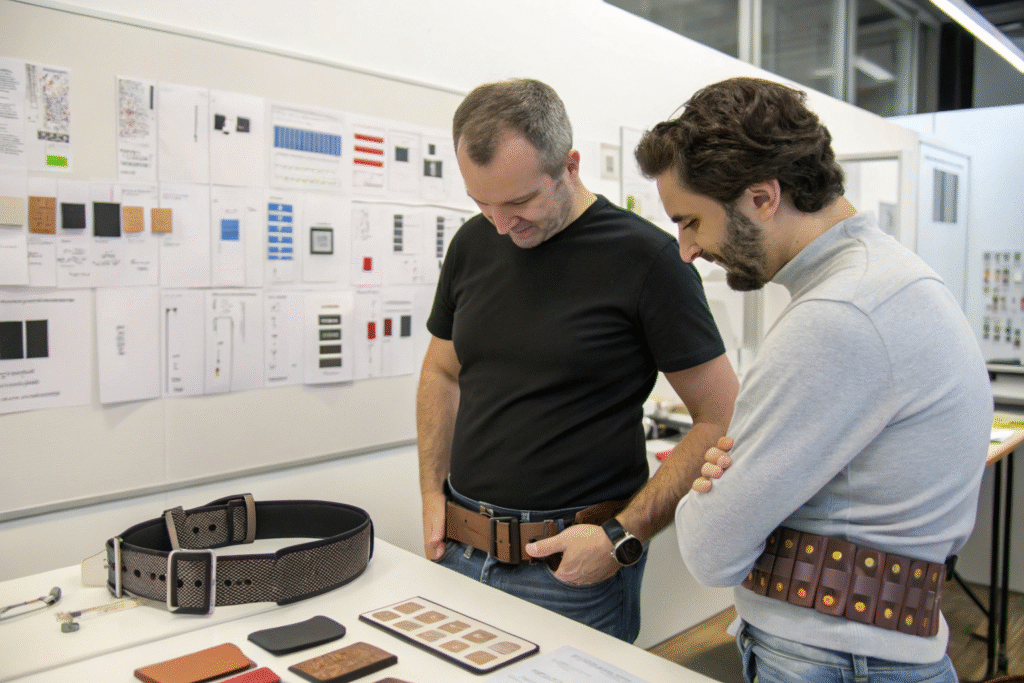
Optimal magnetic strength balances secure closure against easy release—a crucial consideration for arthritis sufferers who may need bathroom breaks with limited hand function. Typically, 2-4 pounds of pull force provides sufficient security for normal activity while remaining manageable for weakened hands to separate. Weaker magnets risk accidental opening, while stronger ones may require uncomfortable force or specialized techniques for release.
The most user-friendly designs incorporate mechanical advantages that reduce required release force without compromising security during wear. This might include slight leverage points, textured grip surfaces, or rotational release mechanisms that convert difficult pulling motions into easier twisting or pushing actions. These secondary assistance features become increasingly valuable as arthritis progresses and hand strength further diminishes.
What Material and Flexibility Considerations Matter?
Arthritis-friendly belts require flexible materials that accommodate changing body contours and comfort needs throughout the day. Many arthritis sufferers experience fluctuating swelling and sensitivity, requiring belts that adjust without mechanical manipulation. Elasticized sections, flexible magnetic plates that conform to body shape, and soft backing materials that don't irritate sensitive skin all contribute to all-day comfort.
The most advanced designs incorporate materials with memory characteristics that maintain shape despite repeated deformation—particularly important for users who need to frequently don and remove belts due to mobility challenges or bathroom needs. These materials work with rather than against the user's physical limitations, reducing the frustration that often leads arthritis sufferers to abandon accessories despite their functional benefits.
How Do Magnetic Belts Impact Psychological Well-Being?
The benefits of magnetic closure belts extend beyond physical comfort to encompass important psychological and emotional dimensions of living with arthritis.
How Does Independence in Dressing Affect Self-Image?
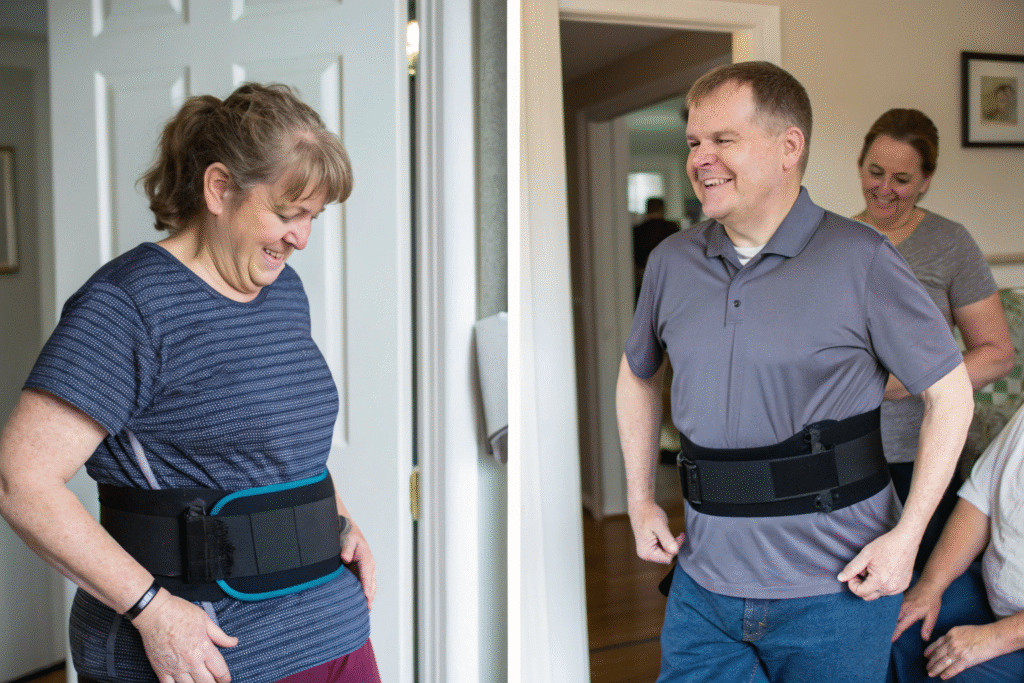
Maintaining dressing independence profoundly impacts self-esteem and identity for arthritis sufferers. As the disease progresses, many individuals experience "ability erosion" where formerly simple tasks require assistance, reinforcing feelings of dependency and loss. Magnetic closure belts represent one of the few areas where technology actually restores lost capability rather than merely accommodating decline.
The psychological benefit extends beyond the practical—successfully managing one's appearance despite physical limitations represents a meaningful victory against the disease's encroachment on daily life. This preserved autonomy in personal presentation helps maintain positive self-image even as other abilities diminish. The most thoughtful designs acknowledge this psychological dimension through aesthetics that don't scream "medical device" but rather resemble fashionable accessories anyone might choose.
What Role Does Reduced Dressing Frustration Play?
The emotional toll of chronic pain includes heightened frustration with daily obstacles that healthy individuals barely notice. The struggle with traditional buckles can set a negative tone for the entire day, emphasizing physical limitations before even leaving the bedroom. Magnetic closures eliminate this morning frustration point, creating a smoother start that positively influences overall outlook and pain coping.
This reduction in daily friction points represents what occupational therapists call "energy conservation"—preserving limited physical and emotional resources for more meaningful activities rather than wasting them on unnecessary struggles. By making belt fastening effortless, magnetic systems free up spoons (a metaphor for limited energy) for activities that bring joy and fulfillment rather than frustration and pain.
What Market Considerations Support Widespread Adoption?
The growing arthritis population combined with increasing awareness of inclusive design creates favorable conditions for magnetic closure belt market expansion.
| Market Factor | Impact on Adoption | Design Implication |
|---|---|---|
| Aging Demographics | Growing customer base with arthritis symptoms | Prioritize ease of use over fashion extremes |
| Inclusive Design Movement | Mainstream acceptance of adaptive products | Create styles appealing beyond medical necessity |
| Caregiver Shortages | Increased need for self-sufficient solutions | Ensure completely independent operation |
| Healthcare Cost Pressures | Prevention of falls and other complications | Emphasize security and reliability |

How Does Demographic Change Support This Category?
The prevalence of arthritis continues growing with aging populations, creating an expanding market for adaptive products. Currently affecting over 58 million Americans, arthritis prevalence projects to increase to 78 million by 2040 as baby boomers continue aging. This demographic shift creates substantial market opportunity for products that address arthritis symptoms while maintaining aesthetic appeal for fashion-conscious older adults.
Beyond diagnosed arthritis, many older adults experience subclinical joint issues that make traditional buckles challenging yet don't qualify for medical device coverage. This "convenience market" represents significant additional potential, particularly when magnetic closure belts offer style and quality comparable to conventional options. The most successful products serve both medical necessity and convenience segments through thoughtful design that doesn't stigmatize users.
What Retail Strategies Increase Accessibility?
Effective distribution of adaptive products requires overcoming traditional retail barriers that separate medical and fashion categories. Magnetic closure belts succeed best when positioned as premium accessories with inclusive benefits rather than medical devices. Placement in mainstream clothing departments alongside traditional belts normalizes their use while reaching customers who might avoid medical supply stores due to stigma.
Educational marketing that demonstrates the benefits without emphasizing limitations proves most effective. Video content showing easy fastening, testimonials from satisfied users across age groups, and clear comparison with traditional buckles all help overcome skepticism. The most progressive retailers integrate these products throughout their assortment rather than segregating them into "adaptive" sections that might discourage browsing by customers not self-identifying as disabled.
Conclusion
Magnetic closure belts represent far more than a simple convenience product—they embody the principles of inclusive design that create better solutions for everyone while specifically addressing the real-world challenges of arthritis. By eliminating the dexterity requirements, pain points, and frustration associated with traditional buckles, these innovative belts restore independence and dignity to daily dressing rituals.
The significant physical benefits—reduced joint stress, maintained functionality, and adjustable comfort—combine with important psychological advantages including preserved self-image, reduced frustration, and maintained autonomy. As arthritis prevalence grows worldwide, products that successfully merge medical functionality with fashion appeal will increasingly represent both commercial opportunities and meaningful quality-of-life improvements.
Ready to develop arthritis-friendly magnetic closure belts for your customers? Contact our Business Director, Elaine, at elaine@fumaoclothing.com to discuss our specialized designs that combine fashion aesthetics with truly accessible functionality for arthritis sufferers and anyone seeking easier dressing solutions.