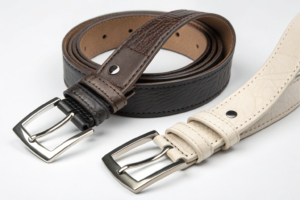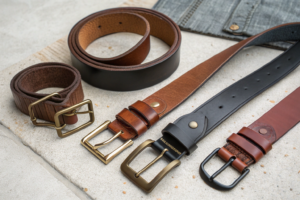
Traditional belt systems often force retailers and brands to maintain large inventories of complete belts, tying up capital and storage space while limiting customization options. This outdated model struggles to meet today's demand for personalization and supply chain efficiency.
Modular belt systems are gaining commercial appeal because they offer unprecedented inventory flexibility, reduce storage costs, enable endless customization, and align with sustainable business practices. By separating components into interchangeable parts, they solve multiple operational and marketing challenges simultaneously.
The shift toward modularity represents a fundamental change in how belts are designed, sold, and worn. Let's examine why this innovative approach is transforming the accessories market.
How Do Modular Systems Solve Inventory Challenges?
Inventory management remains one of the biggest operational hurdles for accessory retailers and brands. Modular belt systems directly address this pain point through component-based architecture.
Traditional belt inventory requires stocking every possible combination of strap and buckle as a finished product. This exponential SKU proliferation creates massive storage needs and increases the risk of dead stock.

What Inventory Efficiency Do Modular Systems Create?
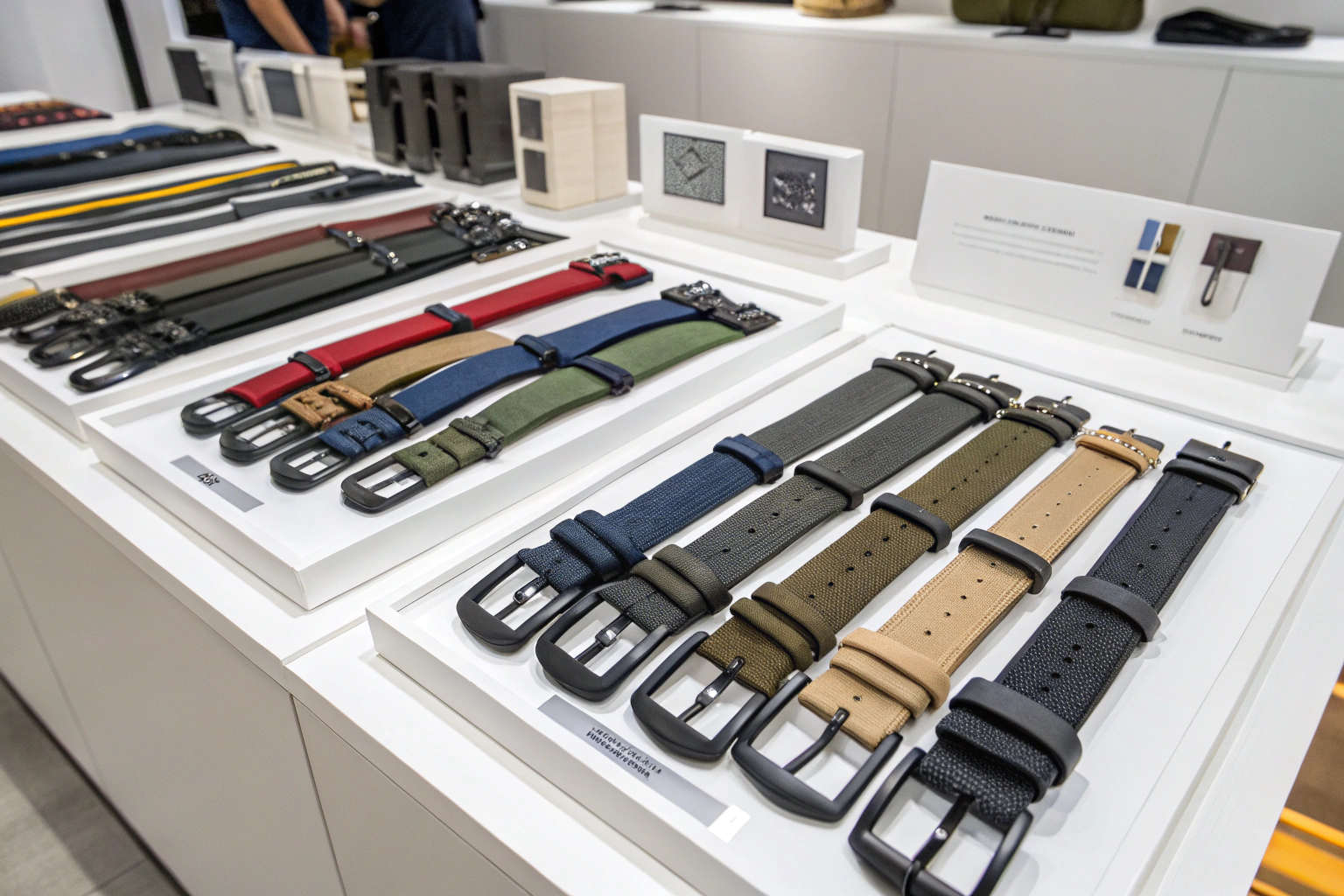
Modular belt systems transform inventory mathematics. Instead of stocking 10 complete belts, a retailer might stock 5 straps and 5 buckles to create 25 possible combinations. This component approach reduces physical inventory by up to 60% while offering customers more variety. The compact nature of separate components means retailers can display extensive collections in minimal space, making them ideal for department store buyers working with limited fixture real estate.
How Do They Reduce Obsolescence and Markdowns?
When a particular buckle style becomes less popular, retailers can simply remove that single component rather than being stuck with complete belts that won't sell. Similarly, seasonal strap colors can be rotated without changing the entire buckle inventory. This flexibility significantly reduces the need for end-of-season markdowns on complete products. For fashion accessories brands, this means maintaining healthier profit margins while staying responsive to trend changes.
What Drives Consumer Demand for Customization?
Today's consumers increasingly seek products that reflect their personal style rather than accepting mass-produced uniformity. Modular systems deliver this personalization at an accessible price point.
The ability to create unique combinations empowers customers and strengthens emotional connection to the product. This engagement translates directly to higher perceived value and brand loyalty.

How Does Personalization Enhance Customer Experience?
Modular belt systems transform a utilitarian accessory into a creative platform. Customers can match their belt to specific outfits, occasions, or moods by simply swapping components. A business professional might use a classic leather strap with a polished buckle for meetings, then switch to a colorful nylon strap with a casual buckle for weekends. This versatility makes the system appealing to multiple consumer segments, from fashion-forward youth to practical professionals.
What Psychological Factors Increase Purchase Frequency?
The component nature encourages multiple purchases over time. Once a customer invests in their first buckle, subsequent strap purchases feel like smaller, more justified expenses. This "collectible" aspect increases customer lifetime value and reduces the perceived risk of trying new styles. For teen belts and youth markets particularly, this approach aligns perfectly with the desire for self-expression and frequent style refreshing.
How Do Modular Designs Support Sustainability?
Environmental concerns increasingly influence purchasing decisions across all consumer demographics. Modular systems inherently support sustainable practices through their design and lifecycle.
The traditional "dispose and replace" model for fashion accessories faces growing consumer skepticism. Modular belts offer a compelling alternative that reduces waste and extends product lifespan.
| Sustainability Benefit | Implementation in Modular Belts |
|---|---|
| Reduced Material Waste | Individual components can be replaced instead of discarding entire belts |
| Extended Product Life | Worn straps can be replaced while retaining quality buckles |
| Packaging Efficiency | Smaller, component-specific packaging reduces material use |
| Repair Over Replacement | Damaged parts can be swapped rather than requiring complete replacement |

How Do Modular Systems Reduce Fashion Waste?
When a leather belt strap wears out or becomes damaged, customers can replace just that component rather than discarding the entire belt, including the often more durable metal buckle. This approach significantly reduces material sent to landfills. For retailers promoting sustainable fashion, this represents a tangible environmental benefit that resonates with eco-conscious consumers and supports corporate sustainability reporting.
What Longevity Advantages Do They Offer?
High-quality buckles represent the most durable and expensive component of any belt system. Modular designs allow consumers to invest in premium buckles they can use for years while changing straps as styles evolve or wear occurs. This "buy once, use forever" approach to the most permanent elements appeals to consumers seeking quality and value, while the replaceable straps accommodate changing fashion preferences without compromising sustainability principles.
What Are the Key Manufacturing Advantages?
From a production standpoint, modular systems offer significant efficiencies that benefit both manufacturers and their commercial partners.
The separation of strap production from buckle manufacturing streamlines operations and creates new opportunities for specialization and quality improvement.
How Does Modularity Streamline Production Processes?
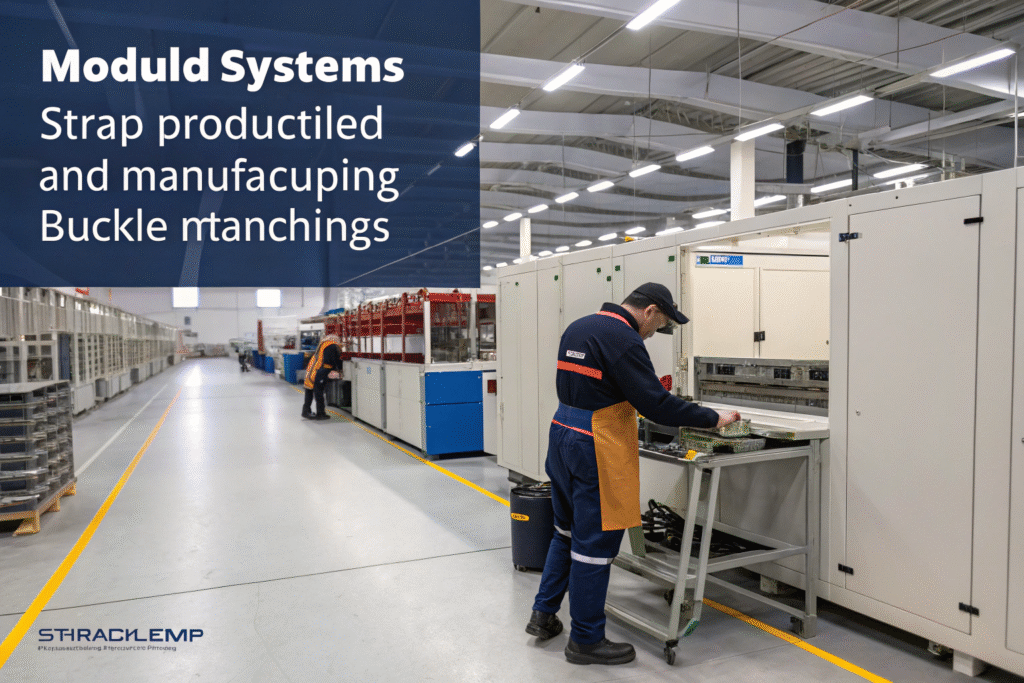
Belt manufacturers can optimize strap and buckle production as separate specialized processes. Strap cutting, dyeing, and finishing can occur in dedicated facilities, while buckle casting, polishing, and plating happen in metalworking shops. This specialization typically results in higher quality components and more efficient production. For Chinese belt factories like ours, this approach allows for better quality control at each manufacturing stage rather than trying to oversee completely integrated production.
What Scalability Benefits Do They Offer?
Modular systems allow for easier inventory planning and faster response to market demands. If a particular strap color becomes unexpectedly popular, manufacturers can ramp up production of just that component without needing to adjust buckle manufacturing. This agility is particularly valuable for fast fashion retailers and brands responding to social media-driven trends. The system also supports easier global sourcing—straps might be produced in one location while buckles come from another specialized supplier.
Conclusion
Modular belt systems represent more than just a product innovation—they're a strategic solution addressing inventory efficiency, consumer customization demands, sustainability concerns, and manufacturing optimization. Their commercial appeal stems from this multifaceted value proposition that benefits retailers, brands, and consumers simultaneously.
As the market continues to embrace modularity, early adopters stand to gain significant competitive advantage through reduced operational costs and enhanced customer engagement. At StylishBelts, we've invested in advanced modular manufacturing capabilities to help our partners capitalize on this growing trend. Contact our Business Director, Elaine, to explore how modular systems can transform your belt business: elaine@fumaoclothing.com.