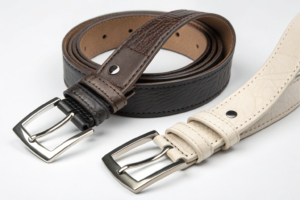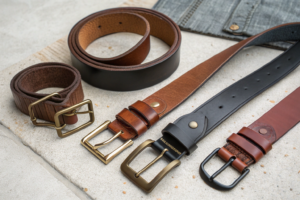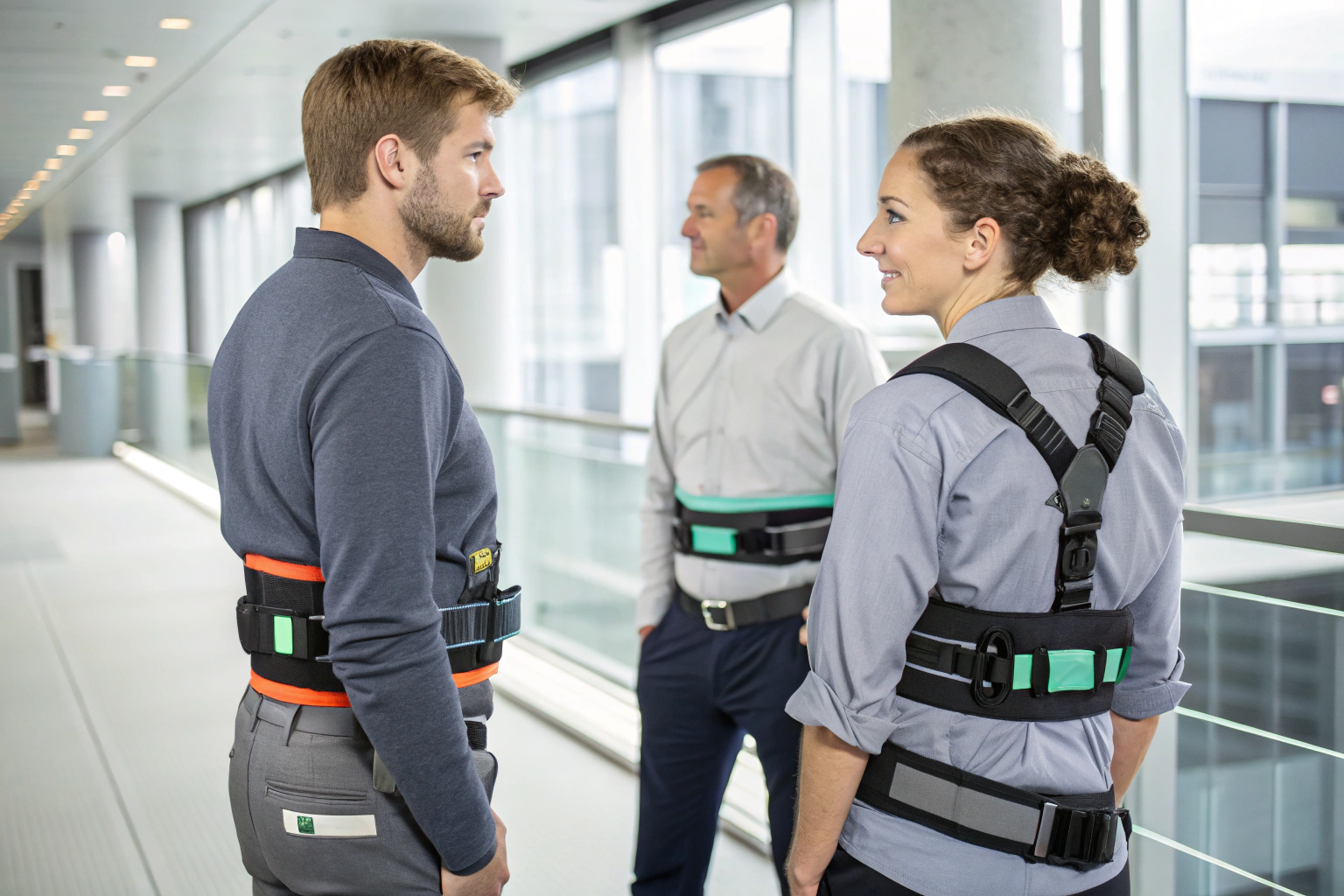
Uniform suppliers face unique challenges in balancing standardization with individual fit requirements. Traditional belt systems often create inventory complications, sizing inconsistencies, and customization limitations that undermine the efficiency and professionalism uniform programs are designed to achieve. The one-size-fits-all approach frequently results in poor fit, employee discomfort, and constant replacement cycles.
Modular belt systems are ideal for uniform suppliers because they offer customizable sizing, reduced inventory complexity, consistent professional appearance, and long-term cost efficiency. These systems allow precise individual fit adjustment while maintaining standardized appearance across diverse body types within an organization.
The modular approach represents a fundamental shift from conventional belt sourcing, addressing the core challenges uniform suppliers face in serving organizations with varied workforce demographics and fit requirements. This innovative system transforms belts from problematic accessories into strategic uniform components.
How Do Modular Systems Solve Inventory Management Challenges?
Inventory management represents one of the most significant operational challenges for uniform suppliers, particularly when serving organizations with diverse employee demographics. Traditional belt sizing requires maintaining extensive stock across multiple sizes, colors, and styles to accommodate varying uniform requirements.
Modular belt systems fundamentally transform inventory management through component standardization and size adjustability. This approach dramatically reduces the number of SKUs required while simultaneously improving fit satisfaction across diverse user populations.

What inventory reduction benefits do modular systems provide?
Modular belt systems typically reduce required inventory SKUs by 60-80% compared to traditional belt systems. Instead of stocking 10-15 sizes for each belt style, suppliers maintain a limited range of modular components that combine to create perfect fits for 95% of users. This consolidation significantly decreases capital tied up in inventory while increasing inventory turnover rates. The reduced complexity also minimizes storage space requirements and simplifies reordering processes, creating operational efficiencies throughout the supply chain.
How does component standardization impact supply chain efficiency?
Standardized modular components enable just-in-time manufacturing approaches and reduce minimum order quantities for replacement parts. Suppliers can stock high-volume core components while maintaining smaller quantities of specialized elements, optimizing both availability and inventory costs. This approach also simplifies quality control and reduces the risk of obsolescence, since core components typically remain in production for multiple seasons while only decorative elements may change with uniform updates.
What Fit Advantages Do Modular Systems Offer Organizations?
Achieving consistent professional appearance across diverse employee body types represents an ongoing challenge for uniform programs. Traditional belt systems often create fit compromises that undermine both comfort and appearance, particularly for organizations with broad demographic representation.
Modular belt systems address fundamental fit challenges through adjustable designs that accommodate weight fluctuations, varying body shapes, and personal comfort preferences while maintaining standardized appearance.
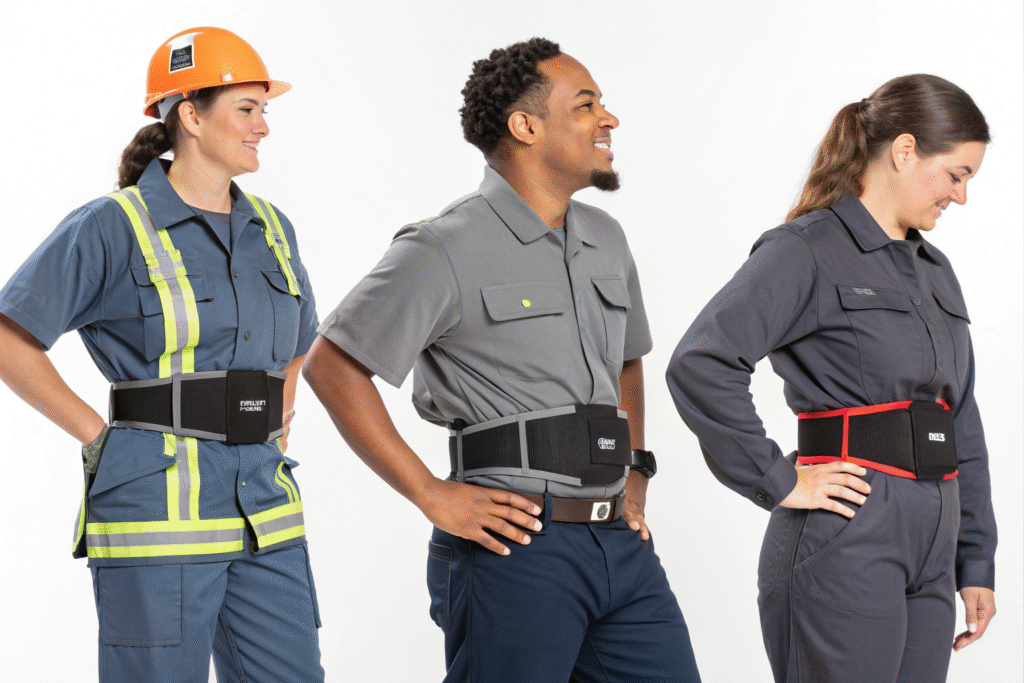
How do modular systems accommodate diverse body types?
Modular systems utilize incremental adjustment mechanisms that provide precise fit customization beyond the limited hole patterns of traditional belts. This approach accommodates the natural size variations within any workforce, including employees who fall between standard sizing increments. The systems typically offer 2-4 inches of micro-adjustability, ensuring optimal fit for both petite and plus-size individuals without compromising professional appearance. This precision eliminates the common problem of belts being either too tight or too loose, which frequently occurs with traditional sizing.
What long-term fit benefits do organizations experience?
Organizations implementing modular belt systems typically report 40-60% reduction in belt replacement requests due to poor fit. The systems naturally accommodate weight fluctuations common in workforce populations, extending usable lifespan and reducing uniform replacement costs. This adaptability is particularly valuable for healthcare, public safety, and seasonal industries where employee physical changes frequently necessitate uniform adjustments. The extended usable lifespan directly supports sustainability initiatives while controlling uniform program costs.
How Do Modular Systems Enhance Professional Appearance Standards?
Maintaining consistent professional appearance across an organization requires careful attention to accessory standardization. Traditional belt systems often create visual inconsistencies due to varying buckle designs, different wear patterns, and inconsistent fit that undermine uniform program objectives.
Modular systems establish new standards for appearance consistency through standardized visible components, uniform wear characteristics, and consistent positioning regardless of individual sizing requirements.
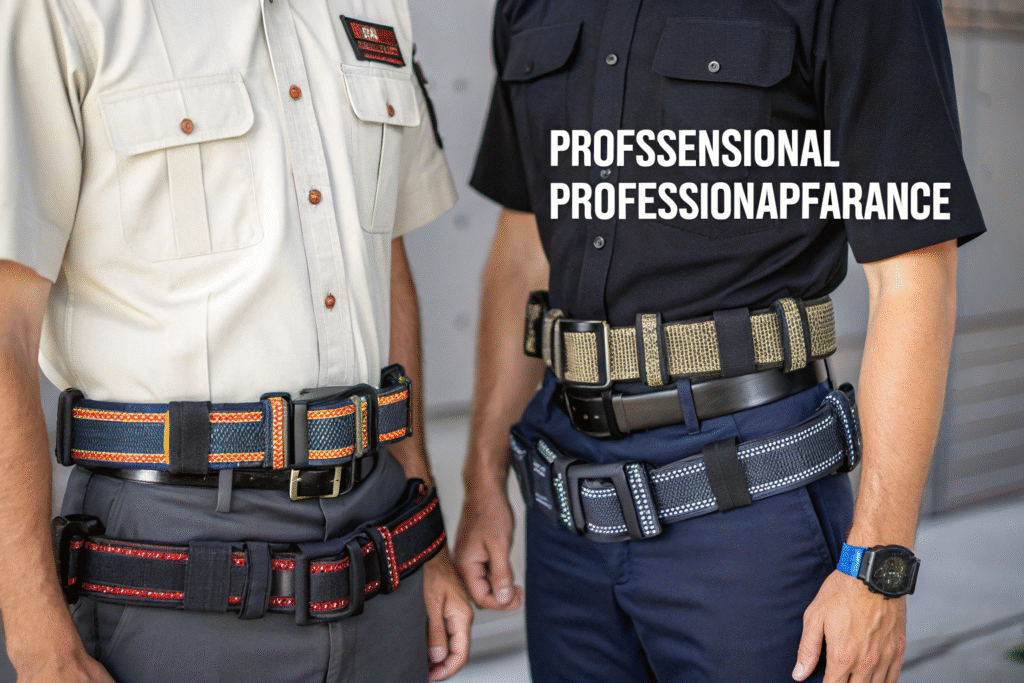
What design elements ensure appearance consistency?
Modular systems maintain visual consistency through standardized buckle faces that present identical appearance across all sizes, while the adjustment mechanisms remain discreetly positioned. This approach ensures that all employees display the same professional branding and finish, regardless of their individual size requirements. The systems also prevent the visual distraction of excessively long belt tails or poorly positioned buckles that often occur when employees wear incorrectly sized traditional belts. This attention to detail reinforces organizational standards and professional image.
How does material consistency impact brand perception?
High-quality modular systems maintain consistent material quality and finishing across all components, ensuring uniform appearance throughout their lifespan. Unlike traditional belts that may show varying wear patterns based on hole usage, modular systems distribute wear evenly across the adjustment mechanism. This consistent appearance maintenance is particularly important for customer-facing roles where professional presentation directly influences brand perception and service quality assessments.
What Cost Efficiency Benefits Make Modular Systems Strategic Investments?
While modular belt systems typically involve higher initial purchase costs compared to basic traditional belts, their total cost of ownership reveals significant advantages for uniform programs. The economic benefits extend beyond simple purchase price to encompass inventory management, replacement cycles, and employee satisfaction metrics.
Organizations adopting modular systems typically experience substantial cost savings through reduced inventory investment, decreased replacement frequency, and improved uniform program effectiveness.
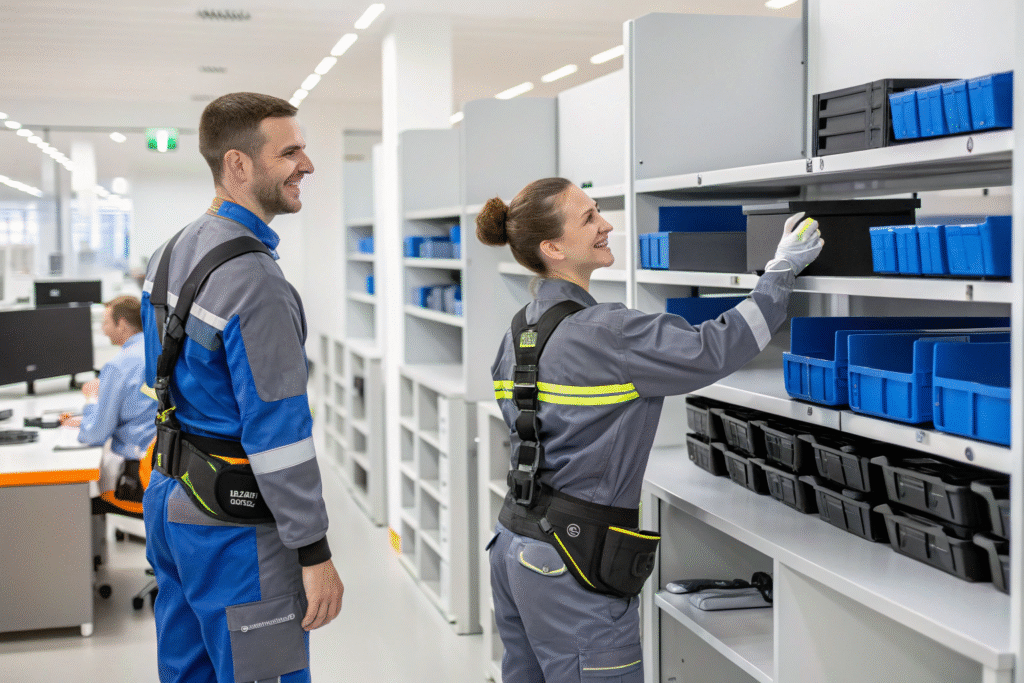
How does reduced replacement frequency impact costs?
Modular belt systems typically demonstrate 300-400% longer usable lifespan compared to traditional leather belts, primarily due to their even wear distribution and adaptability to size changes. This extended lifespan, combined with replaceable components rather than complete belt replacement, reduces annual uniform costs by 40-60% per employee. The total cost of ownership calculation clearly favors modular systems despite their higher initial investment, particularly for organizations with 100+ employees where scale magnifies the savings impact.
What operational efficiencies reduce administrative costs?
The simplified inventory management and reduced replacement processing create significant administrative savings. Uniform managers report 50-70% reduction in time spent managing belt inventory and processing replacement requests when using modular systems. The standardized components also simplify procurement processes and reduce errors in ordering and distribution. These operational efficiencies allow uniform programs to focus on strategic initiatives rather than constant accessory management, creating value beyond direct cost savings.
Conclusion
Modular belt systems represent a strategic advancement for uniform suppliers, addressing fundamental challenges in inventory management, fit customization, appearance consistency, and cost efficiency. These systems transform belts from problematic accessories into reliable uniform components that enhance program effectiveness while reducing operational complexity. The modular approach delivers particular value for organizations serving diverse workforces where individual fit requirements must balance with standardized professional appearance.
If your uniform supply operation is considering modular belt systems, our factory specializes in manufacturing high-quality modular components with customization options for corporate branding. Contact our Business Director, Elaine, at elaine@fumaoclothing.com to discuss how modular belt systems can enhance your uniform program effectiveness and efficiency.