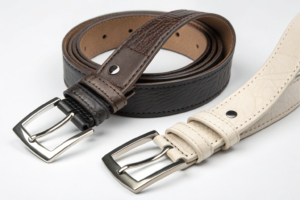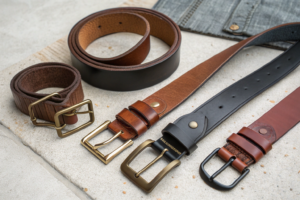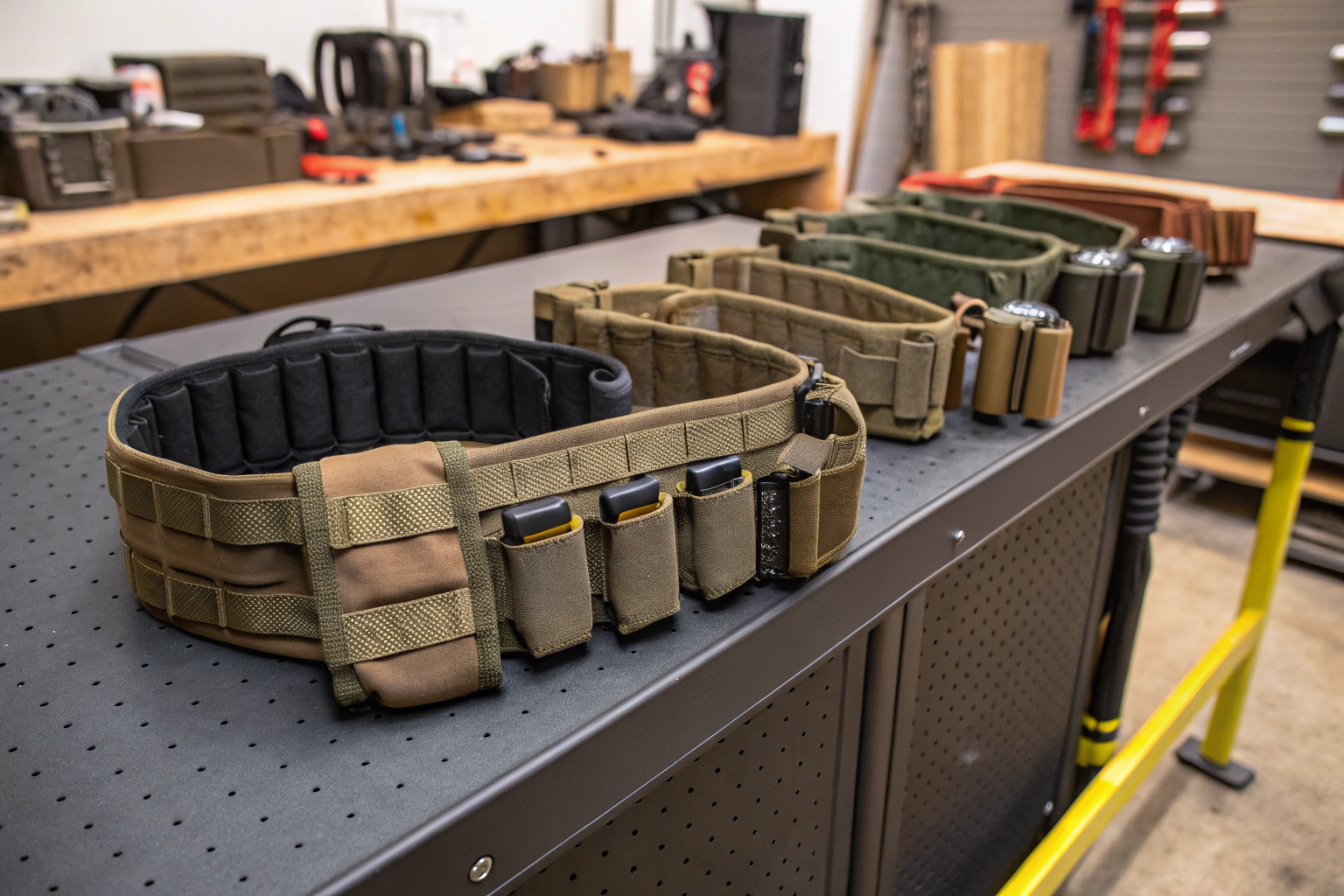
The workwear industry is witnessing a significant shift as traditional leather and nylon belts are increasingly being replaced by modular tactical systems. From construction sites to law enforcement, from emergency services to outdoor professionals, workers are demanding more functionality, adaptability, and durability from their gear. But what's driving this rapid adoption of modular tactical belts across diverse professional sectors?
Modular tactical belts are dominating workwear because they offer unparalleled versatility, superior weight distribution, instant accessibility to tools, and enhanced durability that meets the rigorous demands of modern professional environments. These systems transform a basic accessory into a functional platform that adapts to specific job requirements while providing comfort and security throughout long work shifts.
The rise of modular tactical belts represents more than just a fashion trend—it's a practical response to evolving workplace needs. Let's examine the key factors driving their dominance in professional settings.
What Functional Advantages Do Modular Systems Offer?
The core appeal of modular tactical belts lies in their ability to be customized for specific tasks and professions, providing solutions that traditional belts cannot match.
How Does Customization Enhance Workplace Efficiency?
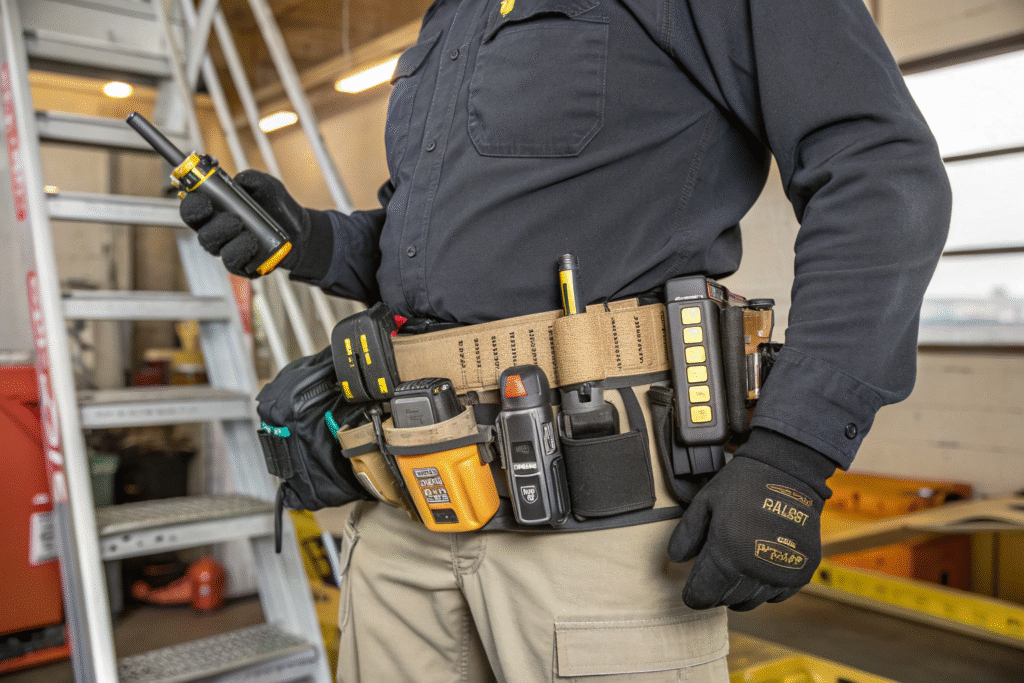
Modular tactical belts allow workers to configure their gear based on daily tasks and specific job requirements. Unlike fixed systems, these belts enable quick rearrangement of pouches, holsters, and tool holders to match changing work conditions. Construction workers can attach tool pouches for hammers and measuring tapes, while emergency responders might prioritize medical supplies and communication devices. This customization eliminates time wasted searching for tools and ensures essential equipment is always within reach, significantly boosting productivity and response times in critical situations.
What Engineering Features Improve Performance?
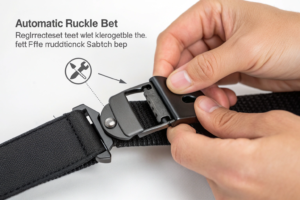
The technical design of modular tactical belts incorporates several advanced features that enhance their workplace performance. The rigid polymer core provides structural integrity while distributing weight evenly across the hips, reducing back strain during long shifts. Quick-release buckles allow for rapid removal in emergency situations, while the MOLLE (Modular Lightweight Load-carrying Equipment) or PALS (PALS webbing) attachment systems ensure secure gear placement. These engineering innovations represent significant advancements over traditional belt designs, offering both safety and practical benefits for professionals who rely on their gear daily.
How Do These Belts Address Worker Comfort and Safety?
Beyond functionality, modular tactical systems prioritize wearer comfort and safety through thoughtful design and advanced materials.
What Design Elements Reduce Physical Strain?
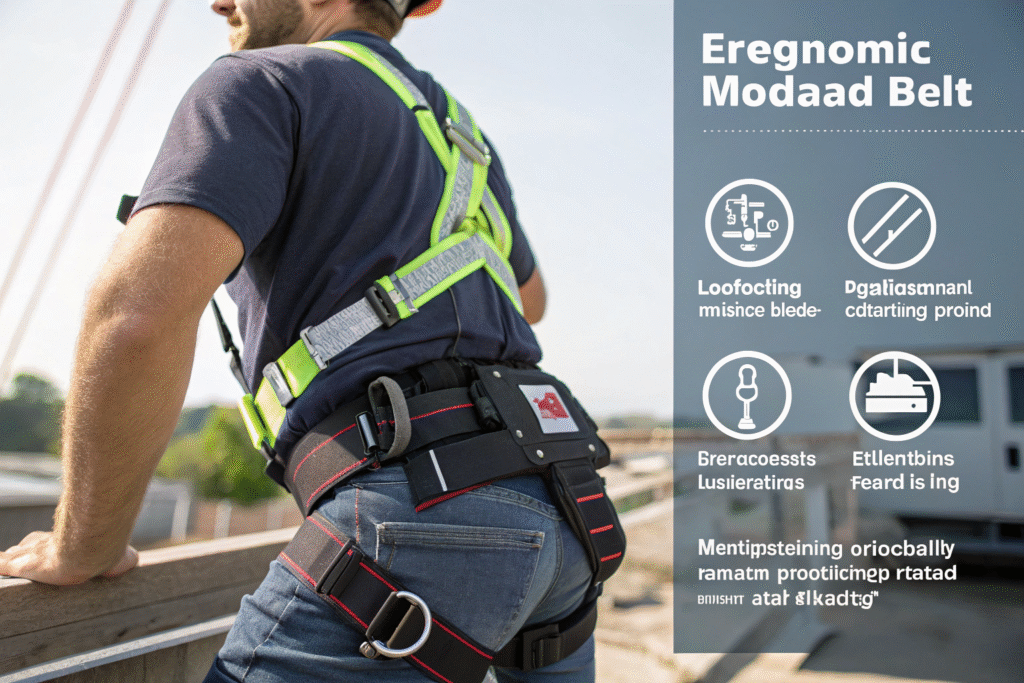
Modular tactical belts incorporate several design features that minimize physical stress during extended wear. Padded hip panels and breathable mesh backings prevent heat buildup and reduce pressure points, while adjustable suspension systems transfer weight from the spine to the hips and legs. The balanced weight distribution provided by these systems is particularly crucial for professionals carrying heavy tools or equipment throughout their shifts. This ergonomic approach to workplace comfort helps prevent chronic pain and fatigue, contributing to both short-term performance and long-term worker health.
How Do Safety Features Protect Workers?
Safety considerations are integral to modular tactical belt design. Quick-release mechanisms allow for instant removal if the belt becomes snagged on machinery or obstacles, preventing serious accidents. High-visibility options and reflective elements enhance worker visibility in low-light conditions, while flame-resistant materials protect those working in hazardous environments. These safety enhancements address real workplace dangers, making modular systems not just convenient but genuinely protective for professionals in high-risk occupations.
What Industries Are Driving Adoption?
Several professional sectors have embraced modular tactical belts, each adapting the technology to their specific operational requirements.
How Are First Responders Utilizing These Systems?
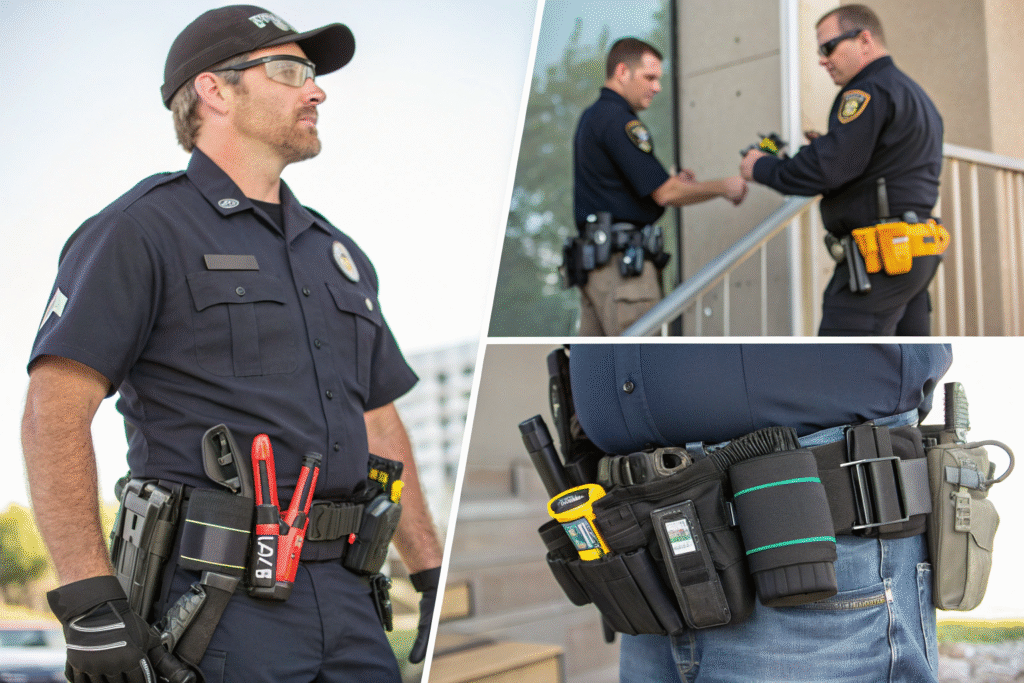
Emergency services including law enforcement, fire departments, and EMS units have been early adopters of modular tactical belts. Police officers use them to organize handcuffs, radios, flashlights, and less-lethal weapons, while paramedics carry medical supplies, trauma shears, and monitoring equipment. The ability to quickly reconfigure these systems for different shifts or emergency types makes them invaluable for first responder gear where seconds can mean the difference between life and death. The standardization of attachment systems also allows for interoperability between different responders during joint operations.
What Construction and Industrial Applications Exist?
The construction and industrial sectors have rapidly adopted modular belt systems for their practical benefits. Electricians use them to organize tools and testing equipment, while maintenance technicians carry specialized instruments and replacement parts. The durability of these systems stands up to harsh job site conditions, and their organizational capabilities help prevent tool loss or misplacement. This adoption reflects a broader trend toward specialized workwear solutions that enhance both efficiency and job site safety.
How Does Durability Impact Total Cost of Ownership?
The long-term economic benefits of modular tactical belts contribute significantly to their growing dominance in workwear programs.
What Materials and Construction Ensure Longevity?
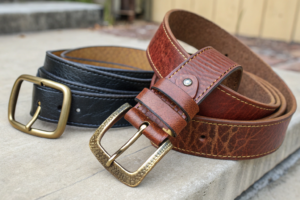
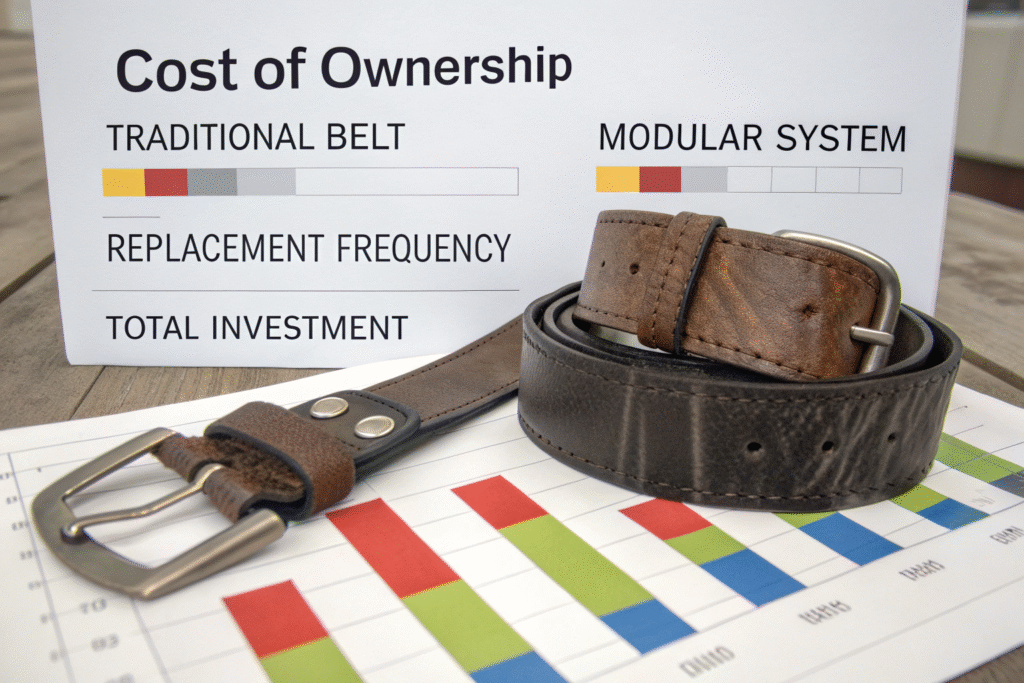
Modular tactical belts utilize high-performance materials that far exceed the durability of traditional work belts. Military-grade nylon webbing, corrosion-resistant hardware, and reinforced stitching create systems that withstand extreme conditions and heavy use. Unlike leather belts that crack or stretch over time, or standard nylon belts that fray and weaken, these systems maintain their integrity through years of daily use. This premium construction translates to reduced replacement frequency and lower long-term costs, despite higher initial investment.
How Does Modularity Extend Product Lifespan?
The modular nature of these systems significantly extends their functional lifespan. Individual components can be replaced as they wear out, rather than requiring complete system replacement. A damaged pouch or worn buckle can be swapped out independently, preserving the core belt structure. This approach aligns with sustainable consumption principles while providing economic benefits through reduced equipment costs over time. Companies implementing these systems often see significant savings in their workwear budgets despite the higher upfront investment.
Conclusion
Modular tactical belts are dominating workwear because they represent a fundamental improvement over traditional belt systems, offering customized functionality, enhanced safety, superior comfort, and long-term economic benefits. As workplaces become more specialized and the demand for efficient, ergonomic solutions grows, these adaptable systems provide the versatility that modern professionals require.
The continued innovation in modular carrying systems suggests their influence will only expand across additional professional sectors. If you're looking to incorporate high-performance modular tactical belts into your workwear program or develop custom configurations for your specific industry needs, contact our Business Director, Elaine, at elaine@fumaoclothing.com to discuss how our manufacturing expertise can create solutions that enhance both worker performance and safety.