Traditional belts with fixed holes have frustrated wearers for generations. You've experienced it yourself - the perfect fit is always between two holes, leaving you choosing between too tight or too loose. This outdated fastening system fails to accommodate our bodies' natural fluctuations throughout the day, causing discomfort and constant adjustment.
No-hole belts are gaining mainstream acceptance because they solve fundamental comfort and convenience problems that have plagued traditional belt designs for decades. Their micro-adjustability provides perfect fit regardless of body shape or clothing layers, eliminates pressure points caused by fixed hole positions, accommodates weight fluctuations without requiring new purchases, and offers sleek, modern aesthetics that appeal to contemporary fashion sensibilities. This combination of superior functionality and visual appeal has propelled no-hole belts from niche products to wardrobe essentials.
The belt industry is undergoing a quiet revolution as consumers increasingly reject compromised fit in favor of precision adjustment. Understanding the drivers behind this shift helps explain why no-hole technology is rapidly becoming the new standard rather than merely a passing trend.
What Comfort Advantages Drive Consumer Preference?
Comfort has become the primary purchasing driver in the accessories market, and no-hole belts deliver measurable improvements that users immediately notice and appreciate. The elimination of fixed hole positions transforms the wearing experience from constant compromise to personalized perfection.
No-hole belt mechanisms distribute pressure evenly across the entire waistline rather than concentrating stress at specific hole locations. This eliminates the digging sensation and red marks that often accompany traditional belts, particularly during extended sitting or after meals when the body naturally expands.

How Does Micro-Adjustability Enhance Daily Comfort?
Traditional belts offer limited adjustment increments typically spaced one inch apart, forcing wearers to choose between restrictive tightness and insecure looseness. No-hole systems provide incremental adjustment as fine as 1/4-inch, allowing perfect tension regardless of clothing layers, posture changes, or natural bodily fluctuations. This precision eliminates the discomfort of belts that feel right when standing but become painfully tight when sitting - a common complaint with traditional designs that no-hole technology completely resolves.
What Pressure Distribution Benefits Do Wearers Experience?
By eliminating concentrated stress points, no-hole belts prevent the pressure-related discomfort associated with traditional designs. The continuous fastening surface spreads tension evenly, avoiding the digging sensation that often leaves marks and causes skin irritation. This is particularly beneficial for people with sensitive skin conditions or those who wear medical devices that make pressure points problematic. The result is all-day comfort that wearers quickly come to prefer once they experience the difference.
How Has Design Innovation Improved User Experience?
Early no-hole belt designs often sacrificed style for functionality or required complicated adjustment processes. Recent innovations have solved these limitations through elegant mechanical solutions that balance aesthetic appeal with intuitive operation.
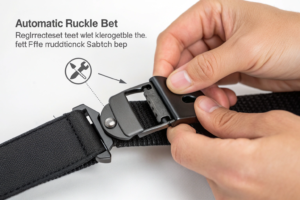
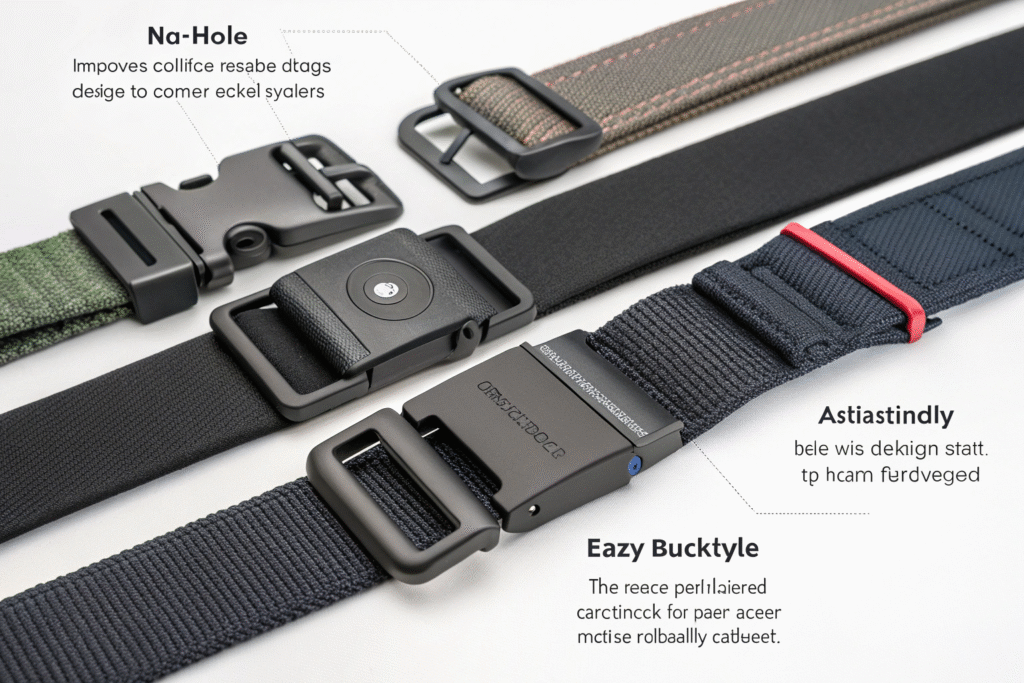
Modern no-hole belts feature sophisticated yet simple mechanisms that users can operate with one hand, often while wearing the belt. This combination of advanced engineering and user-friendly design has removed the barriers that previously prevented mainstream adoption.
What Mechanism Breakthroughs Increased Reliability?
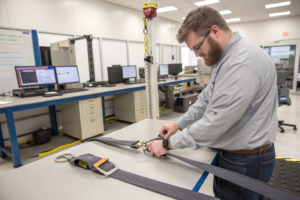
Contemporary no-hole systems utilize precision ratcheting mechanisms, magnetic closures, and friction-based designs that provide secure hold without slippage. These systems have undergone rigorous testing to ensure they maintain integrity during daily activities. The materials engineering behind modern no-hole belts incorporates high-strength polymers and composite materials that withstand repeated adjustment while maintaining their holding power, addressing early concerns about durability that initially limited market acceptance.
How Has Aesthetic Evolution Broadened Appeal?
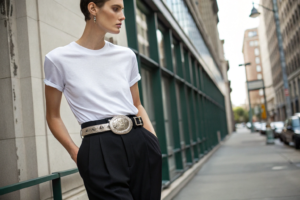
Initially viewed as purely utilitarian, no-hole belts now feature sophisticated designs that complement both casual and formal attire. Designers have integrated the adjustment mechanisms seamlessly into the buckle design, creating streamlined profiles that match traditional belt aesthetics while offering superior functionality. The availability of premium materials including full-grain leather, exotic skins, and metal-free options for security-sensitive environments has expanded their suitability across virtually all wearing occasions and style preferences.
What Practical Benefits Extend Beyond Comfort?
The advantages of no-hole belt technology extend far beyond immediate comfort improvements to encompass practical benefits that impact purchasing decisions, environmental considerations, and long-term value propositions.
These additional advantages provide compelling reasons for consumers to transition from traditional belts, particularly as they recognize the limitations of hole-based systems in modern lifestyles characterized by variability and mobility.
How Do No-Hole Belts Accommodate Body Changes?
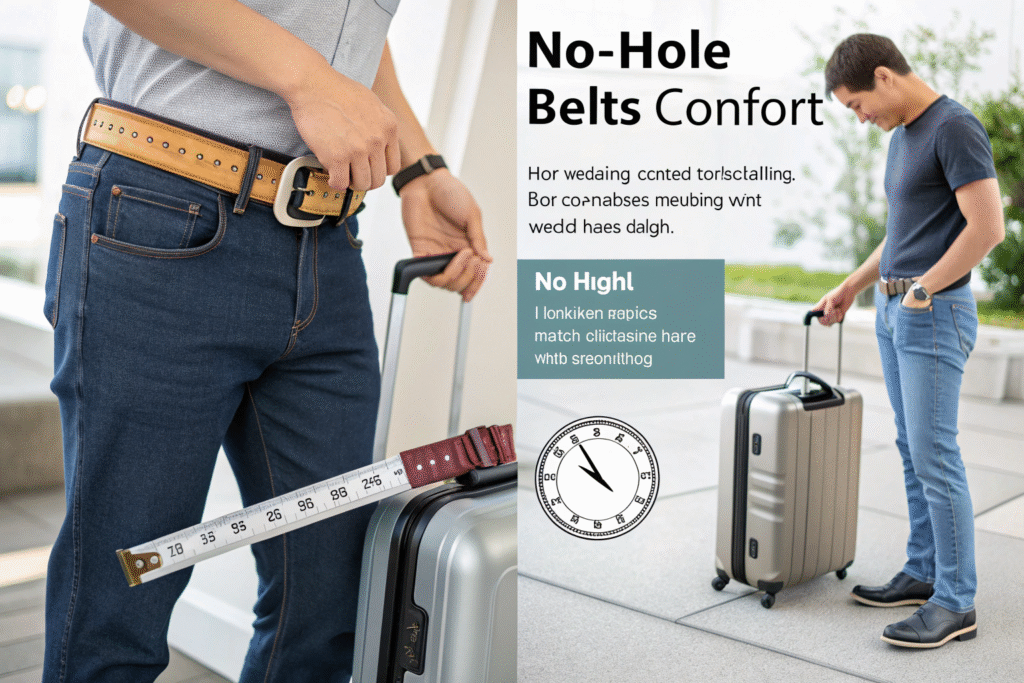
Traditional belts become obsolete with significant weight fluctuation, requiring new holes (which compromise aesthetics and structural integrity) or replacement purchases. No-hole systems adapt seamlessly to weight changes of 15-20 pounds in either direction, extending product lifespan and reducing replacement frequency. This adaptability is particularly valuable during lifestyle changes, fitness transformations, or medical treatments that cause weight variability, making no-hole belts a practical solution for real bodies that change over time.
What Travel and Convenience Advantages Do They Offer?
The TSA-friendly nature of many no-hole belt designs eliminates the need for removal at security checkpoints, providing streamlined travel experiences. Their consistent comfort during long flights or drives addresses common travel discomforts. The elimination of visible wear around hole areas maintains appearance over years of use, unlike traditional belts that develop obvious creasing and stretching around frequently used holes. This long-term presentation quality enhances their value proposition beyond the initial purchase.
How Has Market Education Driven Adoption?
Consumer adoption of innovative products requires effective education that highlights advantages and addresses concerns. The no-hole belt market has benefited from strategic educational efforts that demonstrate tangible benefits beyond the obvious adjustment improvements.
Market education has transformed no-hole belts from puzzling novelties to understood upgrades through clear communication of their advantages across multiple consumer touchpoints and demonstration of their superiority in real-world conditions.

What Marketing Approaches Have Proven Most Effective?
Successful education has focused on problem-solution framing that highlights specific pain points of traditional belts before presenting no-hole technology as the logical answer. In-store demonstrations allowing customers to experience the adjustment precision firsthand have been particularly effective. Digital content showing side-by-side comparisons of comfort and convenience has reached millions of potential customers, while user testimonials emphasizing specific scenarios like travel, weight fluctuation, and all-day wear have provided social proof that accelerates adoption.
How Has Retail Integration Supported Mainstream Acceptance?
Strategic placement in both traditional accessories departments and innovative product sections has exposed no-hole belts to diverse consumer segments. Knowledgeable sales associates equipped with demonstration units and clear talking points have converted curiosity into purchases. The growing presence of no-hole options across price points from budget-friendly retailers to luxury brands has normalized the technology while making it accessible to broader demographics, cementing its position as a mainstream choice rather than a specialty product.
Conclusion
No-hole belts have transitioned from novelty to necessity by solving fundamental problems that traditional belt designs failed to address for generations. Their mainstream acceptance reflects growing consumer demand for accessories that prioritize comfort, adaptability, and intelligent design over outdated conventions. The combination of measurable comfort improvements, practical advantages for modern lifestyles, sophisticated aesthetics, and effective market education has created a permanent shift in consumer expectations that will likely make no-hole technology the future standard rather than merely an alternative option.
If you're interested in incorporating no-hole belt technology into your product line, contact our Business Director, Elaine. Our expertise in innovative belt manufacturing can help you leverage this growing market trend. Reach her at elaine@fumaoclothing.com to discuss your no-hole belt development needs.