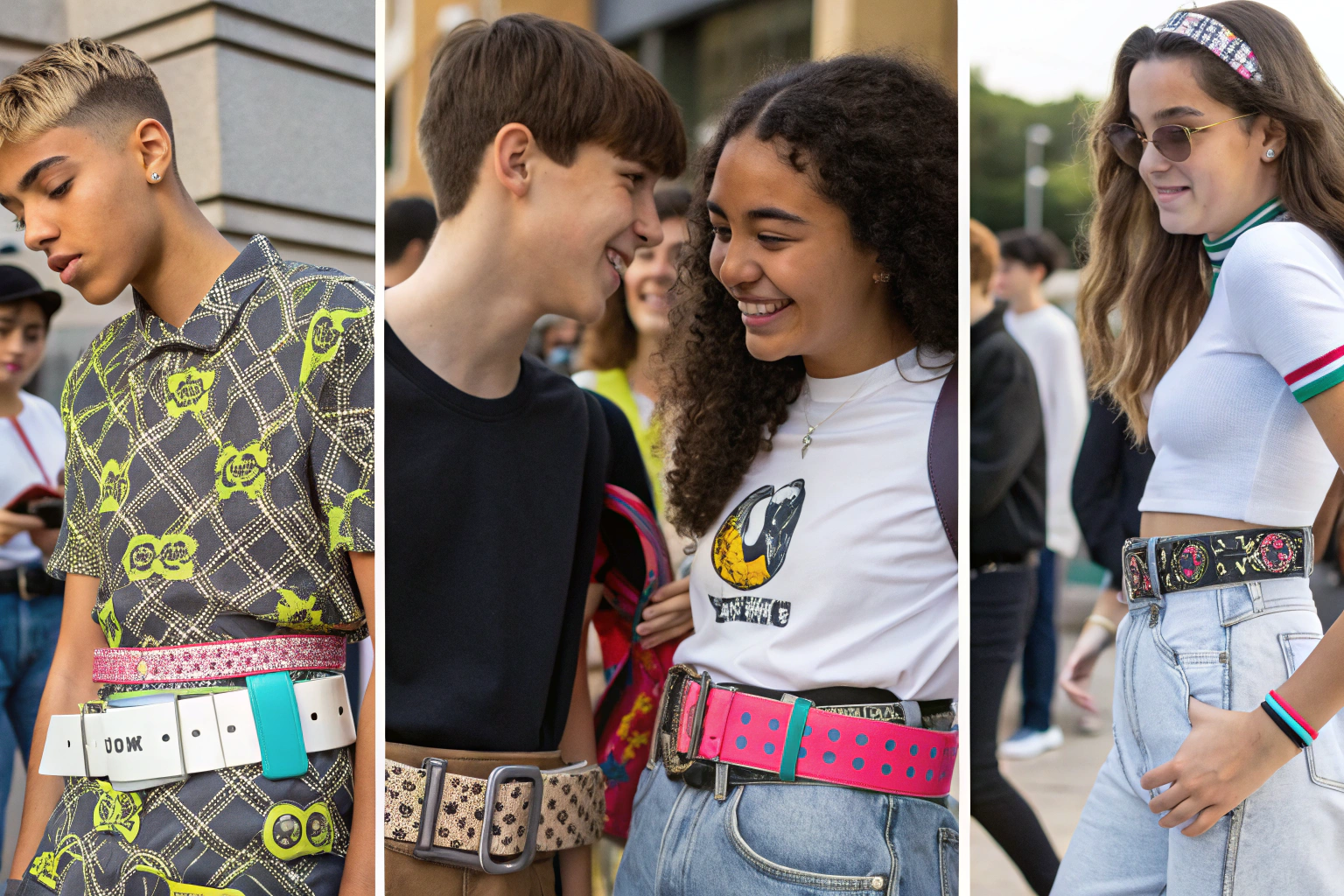
The teen fashion accessory market has undergone a dramatic transformation, moving away from traditional leather belts toward bold, expressive alternatives. Teen consumers increasingly reject the subtle, status-driven accessories preferred by previous generations in favor of pieces that communicate individuality, creativity, and cultural awareness. This shift has created a vacuum that patterned PVC belts have filled spectacularly.
Patterned PVC belts are dominating teen markets because they offer unprecedented customization, vibrant self-expression, social media compatibility, and accessibility that traditional materials cannot match. Their transparent quality enables layering effects, their durability withstands active teen lifestyles, and their low price point allows frequent rotation to match evolving style preferences. The most successful designs incorporate trending patterns, collaborative branding, and versatile styling options that work across diverse teen subcultures.
The teen accessories market is projected to reach $32 billion by 2026, with belts representing one of the fastest-growing segments. Understanding why patterned PVC specifically resonates with this demographic reveals broader shifts in how younger consumers approach fashion, identity formation, and consumption patterns in the digital age.
How Does Customization Drive PVC Belt Popularity?
Today's teen consumers treat accessories as extensions of personal identity rather than merely functional items. Patterned PVC belts serve as perfect canvases for this self-expression, offering customization possibilities that traditional leather belts cannot provide. The material's inherent versatility enables everything from embedded graphics to color combinations that would be impossible with natural materials.
The customization extends beyond mere pattern selection to how teens wear and style the belts. The transparent quality allows layering over clothing in innovative ways, while the flexibility enables unique buckling methods that become personal signatures. This adaptability resonates strongly with a demographic exploring identity formation through fashion choices.

What Role Does DIY Culture Play in PVC Belt Trends?
The do-it-yourself ethos that dominates teen creative expression finds perfect manifestation in patterned PVC belts. Unlike leather that requires specialized tools and skills to modify, PVC belts can be easily customized with paints, markers, attached charms, or even cut and reconfigured. This accessibility empowers teens to create truly unique pieces that reflect their evolving tastes.
Social media platforms like TikTok and Instagram have accelerated this DIY trend, with thousands of tutorials showing teens how to personalize basic PVC belts. The maker culture movement has normalized customization across consumer products, but fashion accessories particularly benefit from this approach because they serve as visible identity markers. The shareability of these creations further fuels the trend cycle.
How Are Brands Leveraging Customization Options?
Progressive brands offer extensive customization through online platforms where teens can select base belt colors, choose from hundreds of patterns, add text or graphics, and even create completely original designs. This co-creation model resonates strongly with teens who value individuality and participation in the creative process.
The most successful implementations use mass customization technologies that maintain reasonable production costs while delivering unique products. Some brands have developed proprietary software that allows real-time visualization of custom designs, creating engaging digital experiences that extend beyond the physical product itself. This technological integration particularly appeals to digitally-native teen consumers.
What Social Media Dynamics Accelerate Patterned PVC Adoption?
Social media platforms have transformed from communication channels to primary fashion discovery engines for teen consumers. Patterned PVC belts possess visual characteristics that perform exceptionally well in these environments, creating a virtuous cycle of exposure, adoption, and content creation that fuels their market dominance.
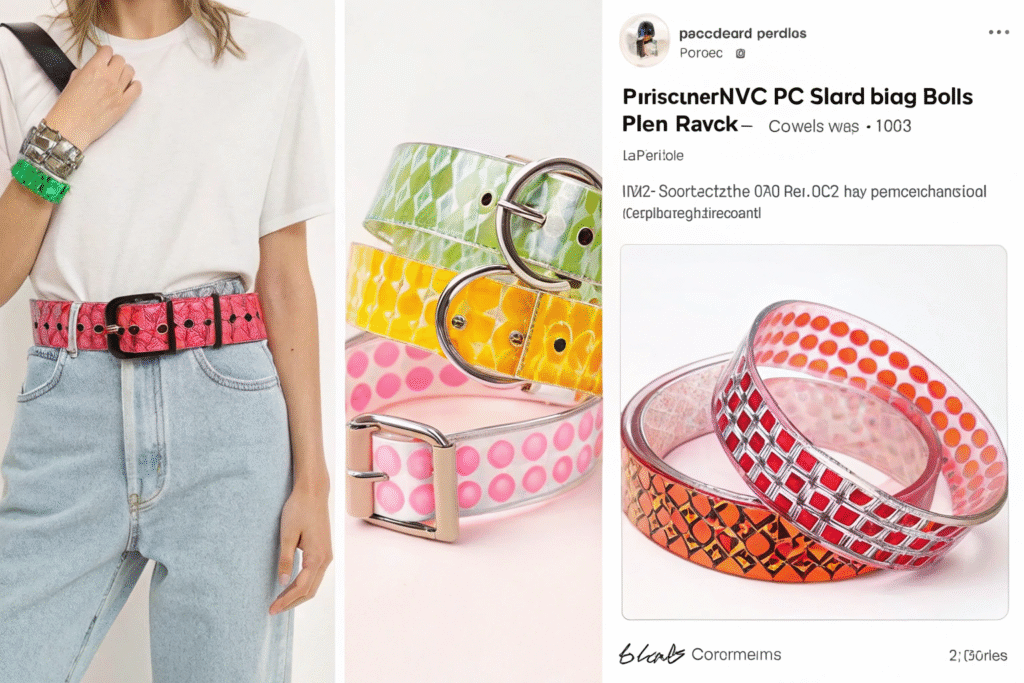
The transparent, often brightly colored nature of PVC belts creates eye-catching content that stands out in crowded social media feeds. Their versatility across outfits provides content creators with multiple styling opportunities from single purchases, extending their content value. These factors combine to make patterned PVC belts particularly "shareable" in social media contexts.
How Do Visual Platforms Drive Trend Acceleration?
Instagram and TikTok's visual nature prioritizes content with strong color contrast, movement, and novelty—all characteristics inherent to patterned PVC belts. The way light interacts with transparent PVC creates dynamic visual effects that enhance video content, while bold patterns capture attention in static images during rapid scrolling.
The algorithmic amplification on these platforms means that once a few influential creators feature PVC belts, similar content receives preferential distribution to users with demonstrated fashion interests. This creates exponential exposure that can transform niche accessories into mainstream trends within weeks rather than the months or years required in pre-social media fashion cycles.
What Content Formats Best Showcase PVC Belts?
"Get ready with me" (GRWM) videos naturally incorporate belts as part of complete outfit assemblies, demonstrating their styling versatility. "Thrift flip" content often features PVC belts as central elements in transformed outfits, highlighting their customization potential. Haul videos showcase multiple pattern options, encouraging collection-building rather than single purchases.
The most effective content often uses fashion storytelling techniques that position PVC belts as solutions to styling challenges or keys to achieving particular aesthetics. This approach provides both inspiration and practical guidance that drives purchase decisions among teen viewers seeking to replicate featured looks.
How Does Affordability Impact Teen Purchasing Patterns?
Teen consumers operate within constrained budgets but desire frequent wardrobe refreshes to maintain social relevance and express evolving identities. Patterned PVC belts address this tension perfectly by offering dramatic style impact at accessible price points that allow regular rotation and experimentation.
The typical teen fashion cycle has compressed significantly, with trends now lasting weeks rather than seasons. This acceleration demands accessories that can be acquired, worn extensively during their trend peak, and then retired without financial guilt. PVC belts fit this model perfectly, with price points typically 70-80% below quality leather alternatives.
What Price Points Drive Impulse Purchases?
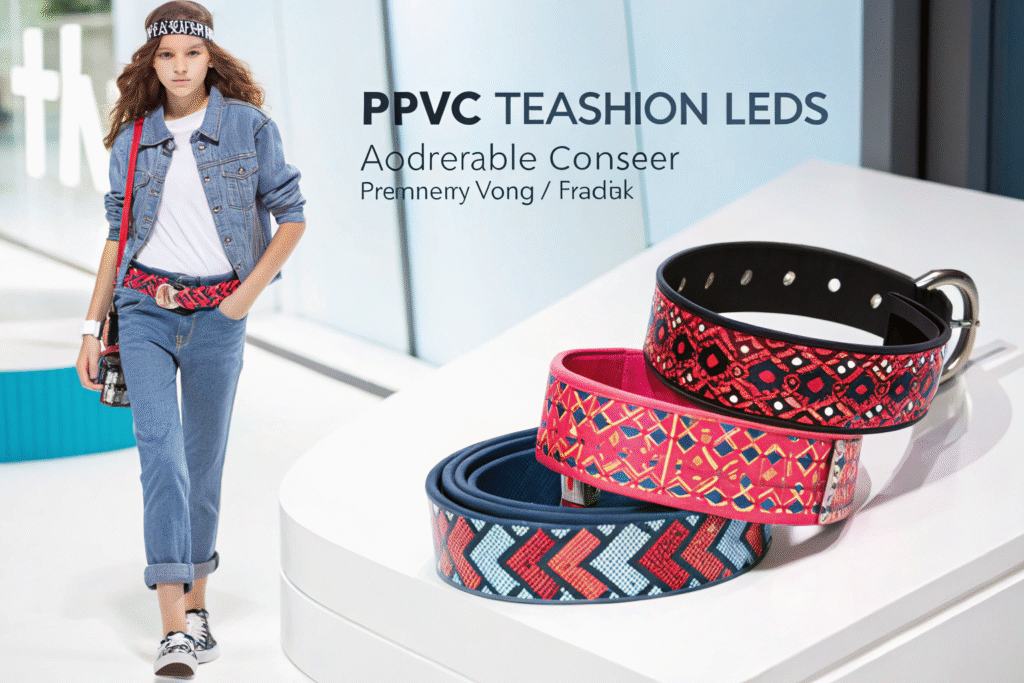
The psychological threshold for teen impulse fashion purchases typically falls between $15-25, precisely where most patterned PVC belts are positioned. This pricing enables spontaneous acquisition without significant financial consideration, particularly when balanced against the perceived style value and wear frequency.
The behavioral economics principles around impulse buying demonstrate that products priced below certain thresholds bypass more deliberate decision-making processes. For teens using allowance, part-time job income, or gift money, PVC belts fall comfortably within this "low-consideration" range while delivering substantial fashion impact.
How Does Collection Mentality Boost Multiple Purchases?
The variety of available patterns encourages collection-building rather than single purchases. Teens frequently acquire multiple PVC belts in different patterns to maximize styling options, with some enthusiasts owning dozens of variations. This collecting behavior transforms functional accessories into hobbyist pursuits.
The social dynamics of teen fashion further encourage multiple purchases, as wearing different belts across occasions demonstrates fashion awareness and creativity. The psychology of collecting behavior suggests that completionism and categorization provide satisfaction beyond practical utility, explaining why many teens systematically acquire pattern variations rather than just sufficient belts for functional needs.
What Cultural Shifts Make PVC More Acceptable Than Leather?
Environmental awareness, ethical consumption concerns, and changing value systems have made traditional leather accessories increasingly problematic for socially-conscious teen consumers. Patterned PVC belts align with evolving attitudes toward materials, animal welfare, and sustainability in ways that leather struggles to match.
Today's teens demonstrate heightened environmental awareness and concern about animal welfare that influences their purchasing decisions. While PVC has its own environmental considerations, its animal-free nature addresses ethical concerns that increasingly trouble teen consumers when considering leather products.
How Do Ethical Considerations Influence Material Preferences?
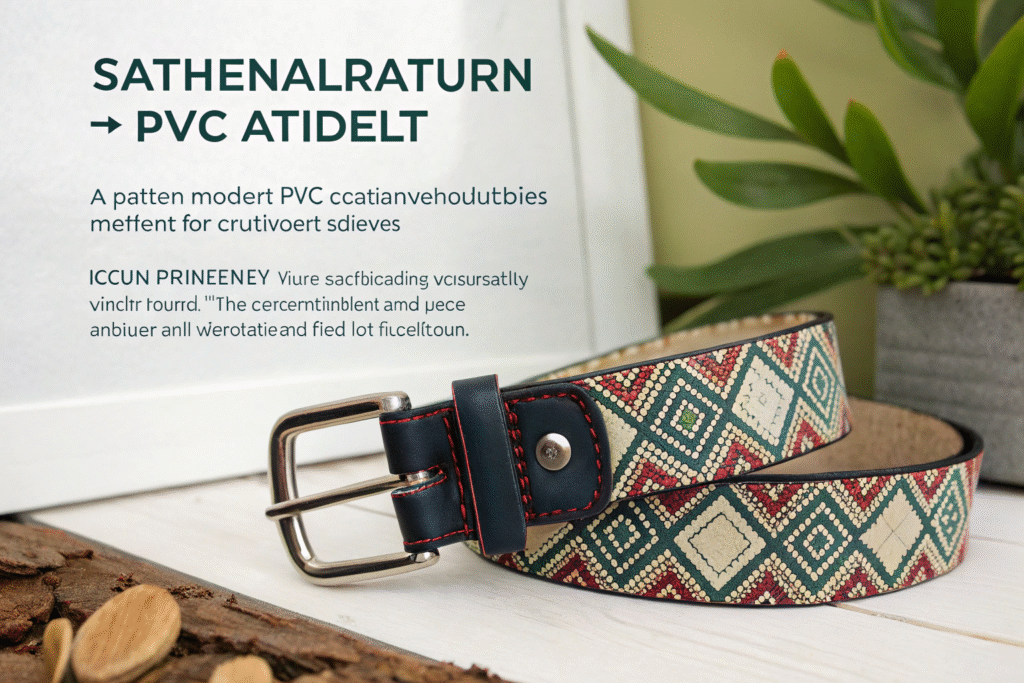
Surveys indicate that 65% of Gen Z consumers actively seek cruelty-free fashion options, with leather alternatives particularly appealing to this demographic. Patterned PVC belts satisfy this preference while offering visual appeal that earlier synthetic alternatives lacked. This ethical dimension provides additional justification for choosing PVC over leather beyond just style or cost considerations.
The ethical fashion movement has particularly strong resonance among teen consumers, who increasingly research brand values and production methods before purchasing. While PVC has environmental trade-offs, its alignment with animal welfare concerns often outweighs these considerations for teens prioritizing cruelty-free fashion.
What Role Does Transparency Play in Material Acceptance?
Today's teen consumers demonstrate sophisticated understanding of material trade-offs rather than simplistic "natural good, synthetic bad" thinking. Many recognize that leather production involves significant environmental impacts through tanning processes, water usage, and chemical runoff, creating a more nuanced evaluation of material choices.
The transparency of PVC belts—both literal and figurative—aligns with teen preferences for honesty and authenticity in branding. The material honesty movement in design emphasizes celebrating materials for what they are rather than mimicking others, making patterned PVC's embrace of its synthetic nature more appealing than earlier pleather attempts to imitate leather.
Conclusion
Patterned PVC belts dominate teen markets through a powerful convergence of factors: they offer unprecedented customization for identity expression, create highly shareable social media content, fit within constrained budgets while allowing frequent rotation, and align with evolving ethical values around materials. Their visual impact, versatility across styles, and compatibility with digital native behaviors make them ideal accessories for today's teen consumers.
The success of patterned PVC belts reflects broader shifts in how teens approach fashion—as dynamic, expressive, and integrated with their digital lives rather than as traditional status markers. As teen preferences continue evolving toward greater individuality, digital integration, and ethical consideration, PVC belts are well-positioned to maintain their market dominance.
Ready to develop patterned PVC belts for the teen market? Contact our Business Director, Elaine, at elaine@fumaoclothing.com to discuss our youth-focused design capabilities and manufacturing expertise in creating PVC belts that resonate with today's teen consumers.