The health and wellness market is witnessing a significant shift as posture-correcting belts transition from medical devices to mainstream consumer products. This movement reflects growing awareness about the connection between posture and overall health, combined with changing work habits and lifestyle patterns that increasingly contribute to postural problems.
Posture-correcting belts are gaining health market share because they address widespread modern lifestyle issues, offer immediate tangible benefits, combine therapeutic functionality with everyday wearability, and align with preventive healthcare trends that emphasize proactive wellness management. These innovative products meet consumers at the intersection of medical necessity and lifestyle enhancement, creating a compelling value proposition that resonates across multiple demographic segments.
The rise of posture-correcting belts represents more than just another wellness trend—it signals a fundamental rethinking of how we integrate health solutions into daily life. Let's examine the key factors driving this market expansion.
What Lifestyle Changes Are Driving Demand?
Modern work and living patterns have created unprecedented postural challenges that traditional solutions fail to address adequately.

How Has Remote Work Impacted Posture Awareness?
The massive shift to remote and hybrid work models has dramatically increased awareness of postural issues. Without proper office ergonomics, millions of workers have experienced firsthand the consequences of poor workstation setup and extended sedentary periods. This direct experience with back pain, neck strain, and reduced mobility has created a receptive market for solutions that can be integrated into home office environments. Posture-correcting belts offer a practical solution that doesn't require expensive furniture or equipment, making them particularly appealing to the growing remote workforce.
What Role Does Increased Screen Time Play?
The proliferation of "tech neck" and forward head posture from excessive smartphone and computer use has created a new generation of posture-conscious consumers. Young adults who might have previously associated posture issues with aging are now experiencing these problems in their twenties and thirties. This demographic expansion has significantly broadened the market base for posture-correcting solutions, transforming them from niche medical devices into mainstream wellness accessories that appeal to health-conscious millennials and Gen Z consumers.
What Health Benefits Drive Consumer Adoption?
The tangible, immediate benefits of posture correction address both current discomfort and long-term health concerns.
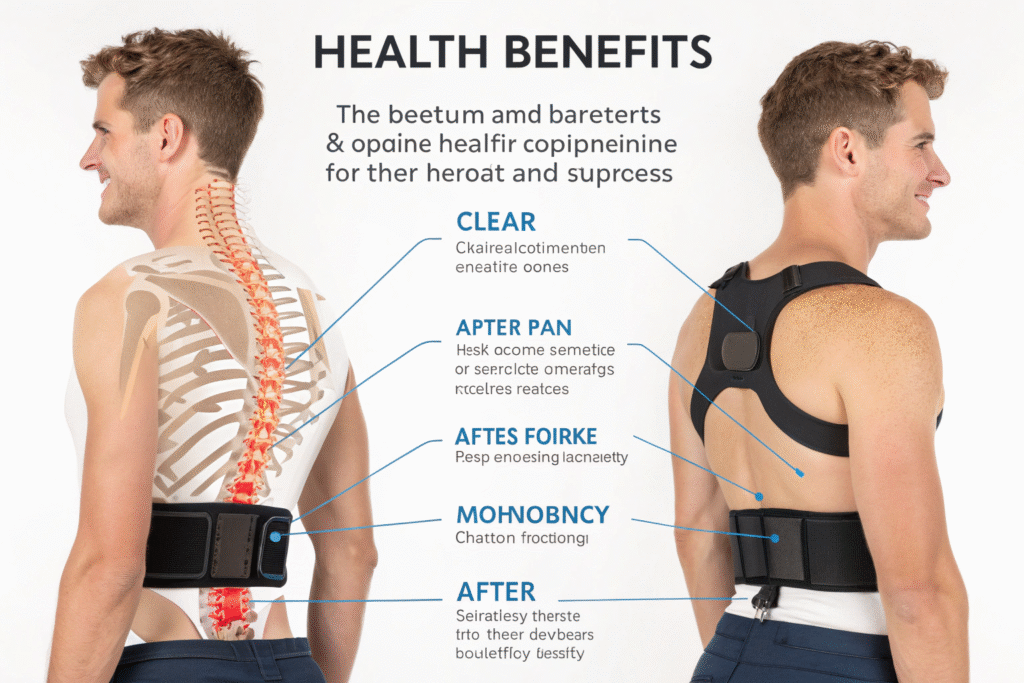
How Do Immediate Pain Relief Benefits Convert Users?
Posture-correcting belts provide measurable reduction in back and neck pain that users can often feel within days or even hours of proper use. This immediate positive reinforcement creates strong product satisfaction and word-of-mouth promotion. Unlike many wellness products that require weeks or months to demonstrate value, the relatively quick discomfort relief makes posture belts particularly effective at converting trial users into long-term advocates. The ability to provide both immediate comfort and long-term postural improvement represents a powerful combination that drives repeat purchases and brand loyalty.
What Preventive Health Advantages Resonate with Consumers?
Increasingly health-literate consumers understand that poor posture contributes to systemic health issues beyond simple back pain, including reduced lung capacity, digestive problems, and chronic headaches. This awareness has created demand for preventive solutions that can mitigate these risks before they become serious medical conditions. Posture-correcting belts position themselves as proactive tools for maintaining overall health rather than merely reactive solutions for existing problems, aligning perfectly with the growing consumer preference for preventive healthcare approaches.
How Has Product Design Evolution Fueled Growth?
Significant improvements in product design have transformed posture-correcting belts from obvious medical devices to discreet wellness accessories.
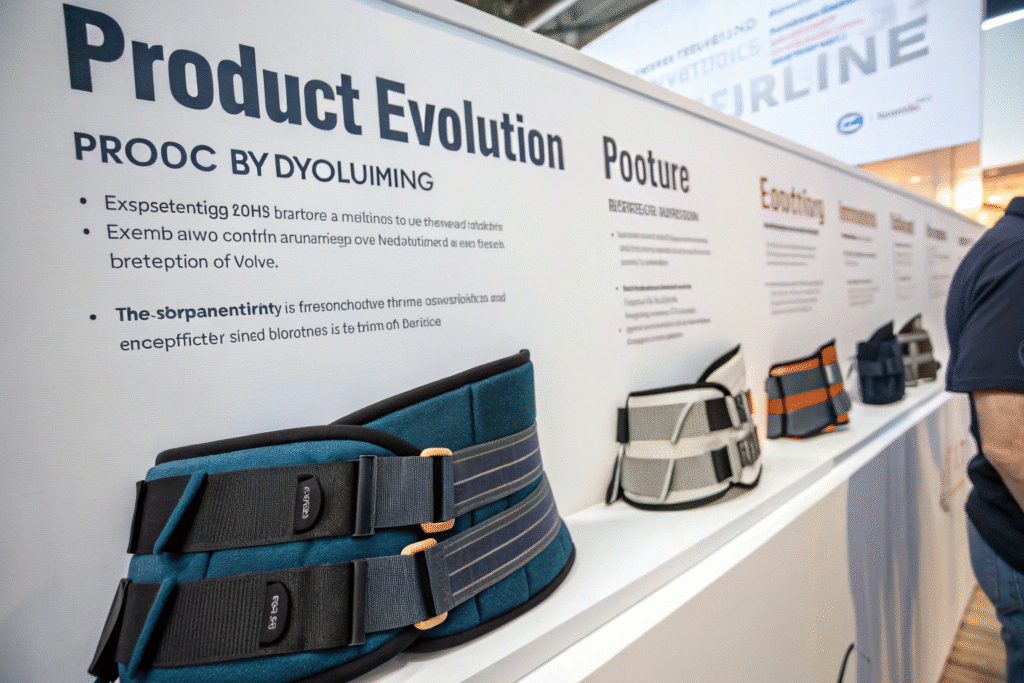
What Wearability Improvements Have Increased Adoption?
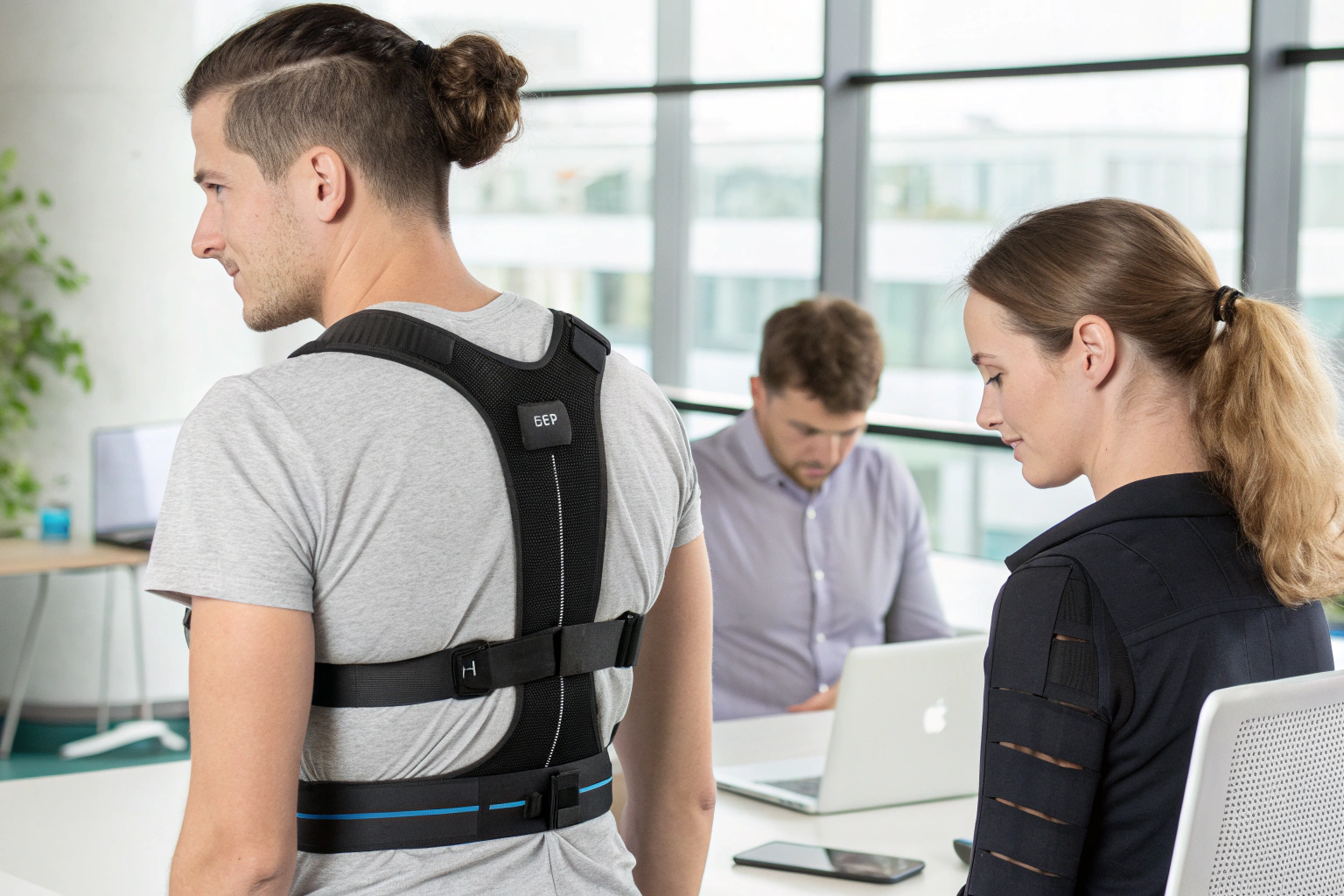
Modern posture-correcting belts have overcome the comfort and discretion limitations that plagued earlier generations. Advances in breathable materials, adjustable tension systems, and slim profiles allow all-day wear without restricting movement or creating visible bulges under clothing. These improvements have been crucial for transforming posture correction from an occasional therapy into an integrated daily habit. The ability to wear these devices comfortably throughout normal activities—from office work to light exercise—has dramatically expanded their usable contexts and overall value proposition.
How Has Aesthetic Integration Impacted Market Acceptance?
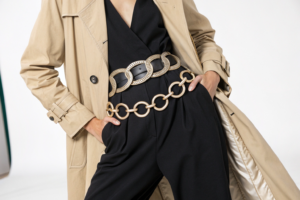
The transition from clinical appearance to fashion-conscious design has been instrumental in mainstream adoption. Today's posture-correcting belts incorporate stylish elements, color options, and materials that align with contemporary fashion trends. This design evolution allows users to address health needs without sacrificing personal style, removing a significant psychological barrier to regular use. The most successful products seamlessly integrate corrective functionality with accessories that users feel proud to wear rather than embarrassed to conceal.
What Market Education Factors Support Growth?
Increased awareness and understanding of posture's health implications have created a more receptive consumer base.
How Has Digital Content Influenced Consumer Understanding?
The proliferation of educational content across social platforms has dramatically increased public understanding of posture's health significance. Physical therapists, chiropractors, and fitness influencers regularly create content demonstrating the consequences of poor posture and the benefits of correction. This constant stream of professional and peer-generated information has normalized posture correction as an essential component of overall wellness rather than a specialized medical treatment, creating a larger and more motivated market for corrective products.
What Role Do Healthcare Professionals Play in Validation?
Increasing recommendations from medical professionals have provided crucial validation for posture-correcting belts. As more physical therapists, chiropractors, and orthopedic specialists incorporate these devices into treatment plans, consumer confidence in their efficacy has grown significantly. This professional endorsement helps overcome skepticism about non-traditional health products and provides the scientific credibility needed to justify investment in what might otherwise be perceived as just another wellness gadget.
How Does the Broader Wellness Context Support Adoption?
Posture-correcting belts benefit from alignment with several major health and wellness trends that reinforce their value proposition.
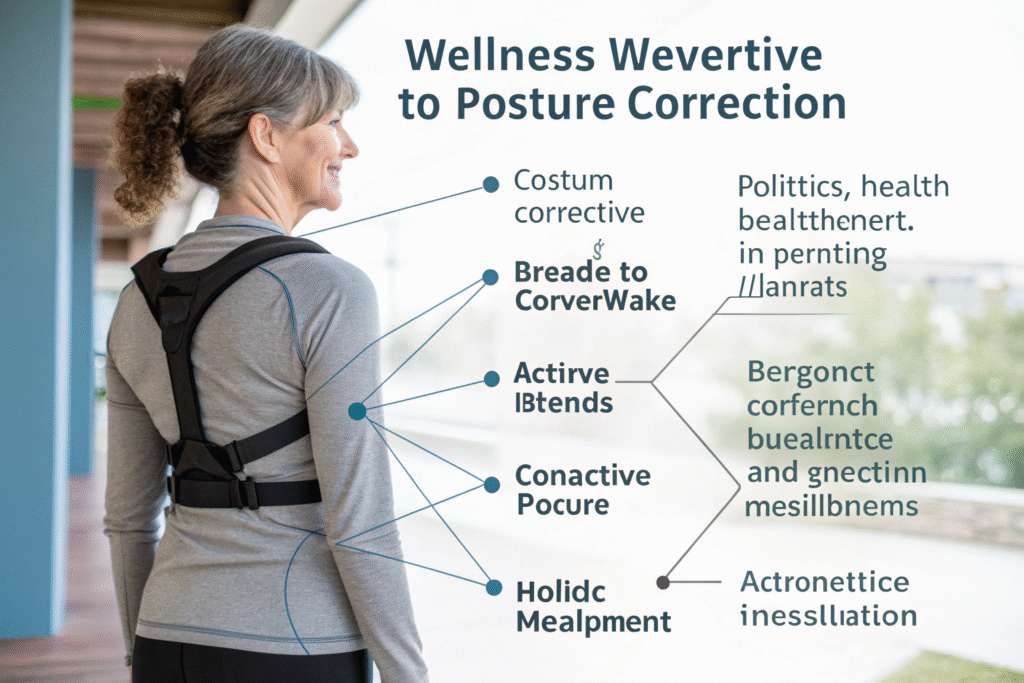
What Preventive Healthcare Trends Support Growth?
The massive expansion of the preventive health and wellness market has created ideal conditions for posture-correcting products. Consumers are increasingly proactive about maintaining health rather than simply treating illness, and they're willing to invest in products that support this approach. Posture correction aligns perfectly with this mindset by addressing issues before they become debilitating, positioning these products as smart investments in long-term wellbeing rather than temporary fixes for immediate problems.
How Does Workplace Wellness Integration Drive Adoption?
Growing corporate emphasis on employee health and ergonomics has opened significant B2B channels for posture-correcting belts. Companies increasingly recognize that investing in employee wellness yields returns through reduced healthcare costs, decreased absenteeism, and improved productivity. This corporate adoption not only creates direct sales opportunities but also introduces these products to broader audiences who might then purchase them for personal use, creating a powerful viral adoption pattern within organizations.
Conclusion
Posture-correcting belts are gaining significant health market share because they effectively address genuine needs created by modern lifestyles while aligning with broader trends in preventive healthcare, workplace wellness, and integrated health solutions. Their success stems from combining immediate functional benefits with long-term health advantages in packages that fit seamlessly into daily life.
As awareness of posture's critical role in overall health continues to grow, and as product designs become increasingly sophisticated and user-friendly, this market segment shows every sign of continuing its expansion. If you're interested in developing or sourcing posture-correcting belts that combine medical efficacy with consumer appeal, contact our Business Director, Elaine, at elaine@fumaoclothing.com to discuss how our manufacturing expertise and market understanding can help you capitalize on this growing wellness segment.