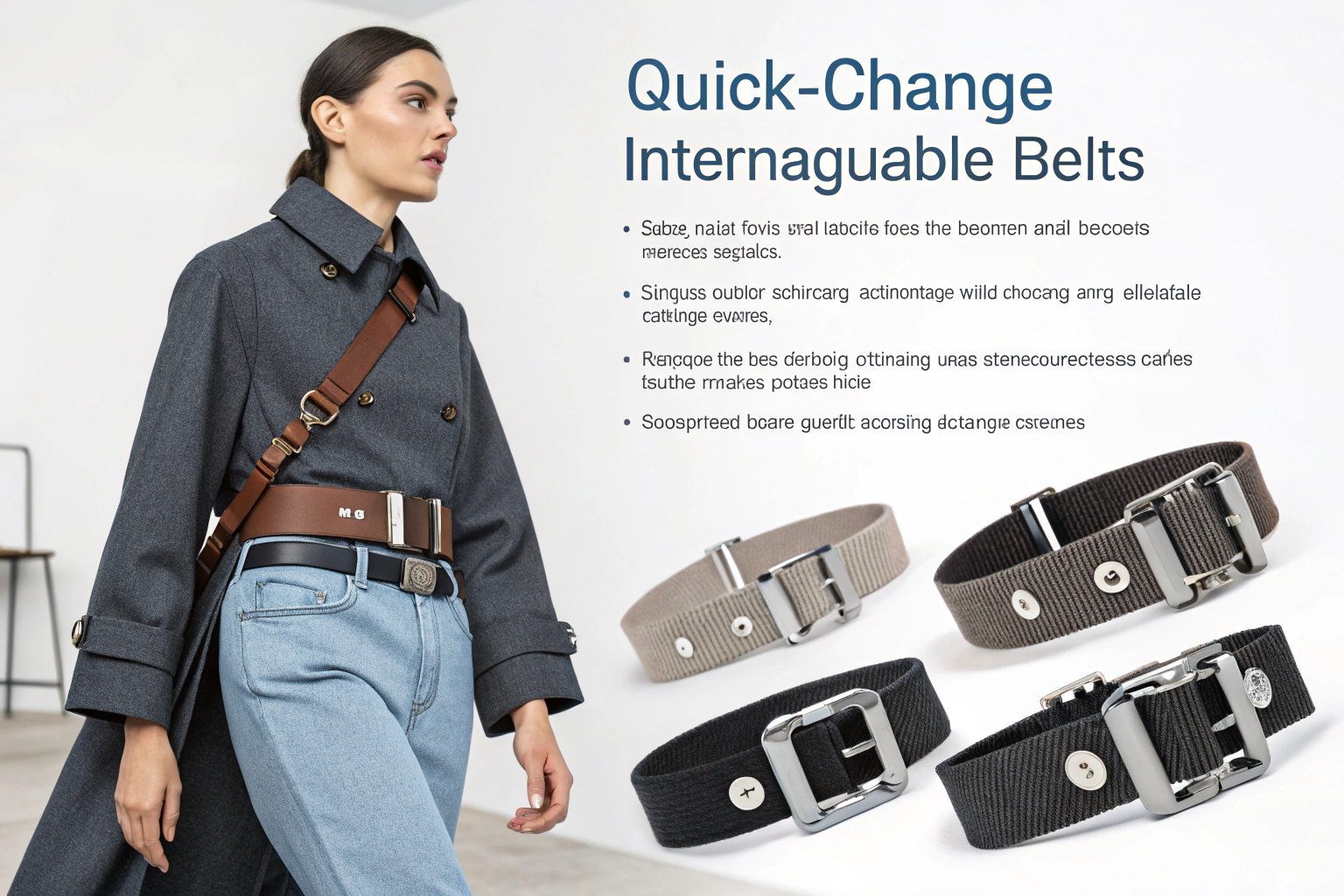
The fashion industry is constantly evolving, and today's consumers demand both versatility and convenience in their accessories. Traditional belts, while functional, often limit outfit coordination and require multiple purchases for different looks. This is where quick-change interchangeable belt systems are making a remarkable impact, revolutionizing how people think about and use belts in their daily wardrobe.
Quick-change interchangeable belts are trending because they offer unprecedented versatility, cost-effectiveness, and sustainable fashion solutions through modular systems that allow users to mix and match buckles and straps. These innovative belt systems address modern consumer demands for personalization, value, and eco-conscious consumption while providing fashion flexibility that traditional single-purpose belts cannot match.
The rise of interchangeable belt systems represents a significant shift in accessory design philosophy. Let's explore the key factors driving this trend and why both consumers and retailers are embracing this innovative approach to belt design.
What Makes Interchangeable Belt Systems So Versatile?
The core appeal of quick-change systems lies in their ability to transform a basic accessory into a versatile fashion tool. Instead of being limited to one look per belt, users can create numerous combinations from a single purchase.
How Do These Systems Enhance Wardrobe Flexibility?
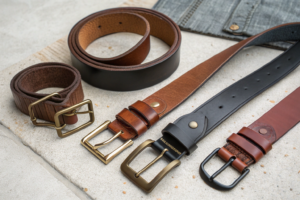
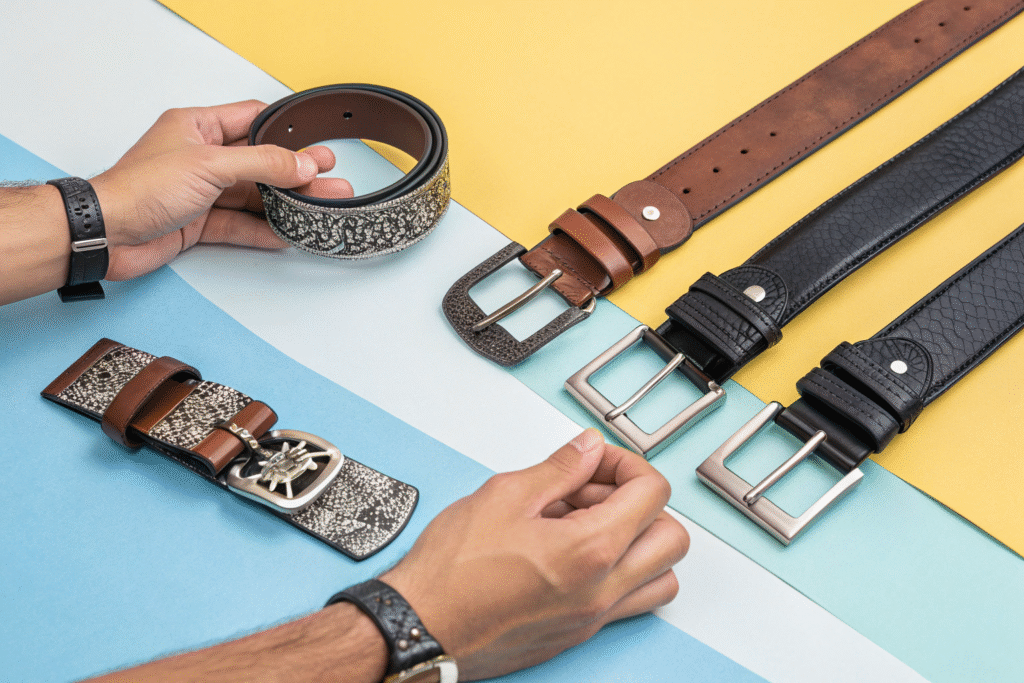
The fundamental advantage of interchangeable systems is their ability to maximize wardrobe options while minimizing closet space. A customer can own two straps and three buckles yet have six distinct belt combinations. This modular approach allows for seamless transitions between different styles - from a formal dress belt with a classic buckle for business meetings to a casual fashion belt with a decorative buckle for evening outings. The ease of switching components means users can adapt their accessories to match different outfits, occasions, and color schemes without investing in multiple complete belts.
What Technical Innovations Enable Easy Customization?
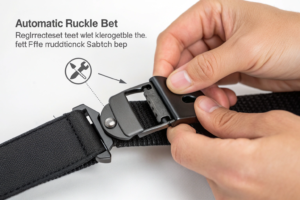
The revolutionary aspect of these systems lies in their attachment mechanisms. Most quality interchangeable systems use either a secure snap mechanism, magnetic closure, or precision-engineered sliding lock that ensures safety and reliability. These innovative buckle mechanisms are designed for effortless changes while maintaining the durability and security expected from traditional belts. The engineering focuses on creating a seamless connection that appears as polished as fixed systems while offering the flexibility that modern consumers demand.
How Do Interchangeable Belts Offer Better Value?
In today's cost-conscious market, consumers are increasingly looking for products that offer long-term value and reduce overall spending while maintaining quality and style.
What Cost Savings Do Consumers Actually Achieve?
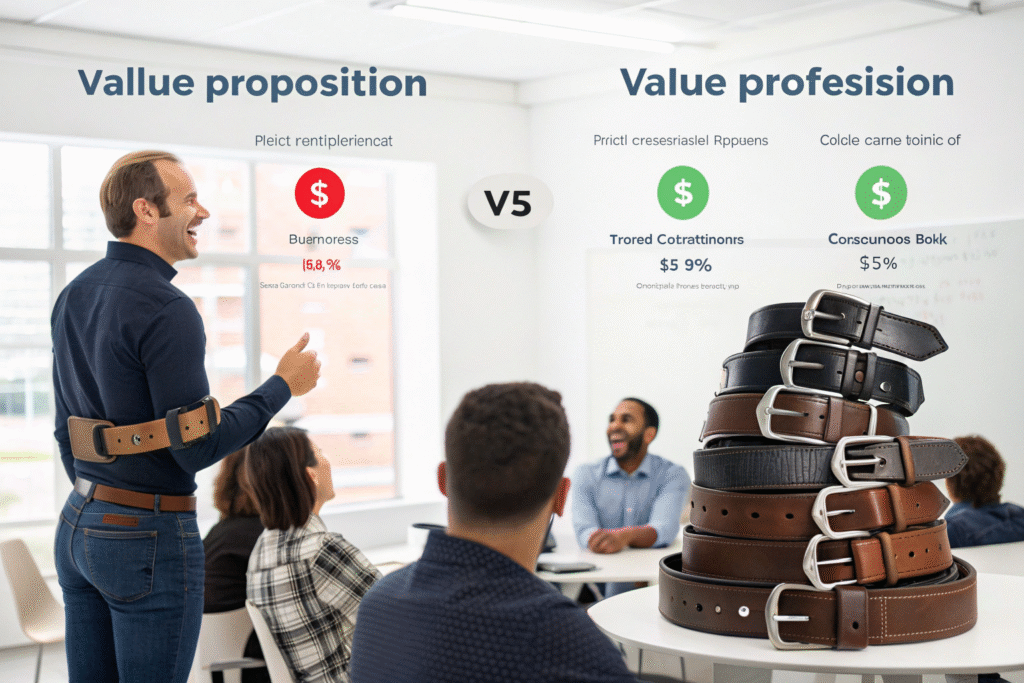
The financial benefits become immediately apparent when comparing traditional versus modular systems. Consider this breakdown:
| Purchase Scenario | Traditional Belts | Interchangeable System |
|---|---|---|
| 3 Complete Looks | 3 Separate Belts | 2 Straps + 2 Buckles |
| Average Cost | $75-$150 | $40-$80 |
| Storage Space | Significant | Minimal |
| Style Combinations | 3 Fixed Options | 4+ Customizable Looks |
This approach allows consumers to build a more extensive belt collection at a fraction of the cost while reducing clutter and maximizing their fashion investment.
How Does This System Support Sustainable Fashion?
The environmental benefits align with growing consumer consciousness. By manufacturing fewer complete belt units and focusing on interchangeable components, companies reduce material waste and transportation emissions. Consumers participate in sustainable fashion by extending the life of their accessories - if one component wears out or becomes damaged, they can replace just that piece rather than discarding the entire belt. This modular approach to fashion accessories represents a significant step toward reducing fashion waste while maintaining style and functionality.
What Consumer Trends Are Driving This Popularity?
Several broader social and shopping trends have converged to create the perfect environment for interchangeable belt systems to flourish in the marketplace.
Why Does Personalization Appeal to Modern Shoppers?
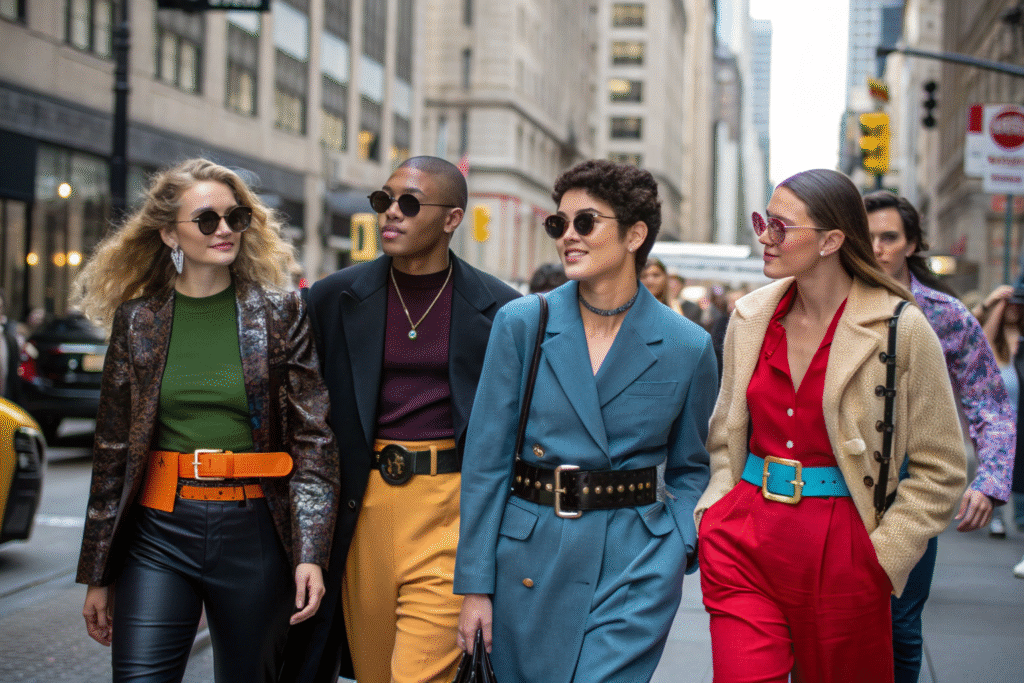
Today's consumers, particularly millennials and Gen Z, strongly value products that allow for self-expression and customization. Interchangeable belt systems deliver exactly this by enabling users to create unique combinations that reflect their personal style. The ability to mix metals, materials, and styles means no two people need to have the exact same belt combination. This aligns with the growing demand for products that serve as platforms for creativity rather than finished, one-size-fits-all solutions. The system turns a basic accessory into a form of personal expression.
How Does This Trend Align With Minimalist Lifestyles?
The rise of capsule wardrobes and conscious consumption has created demand for versatile, multi-purpose items. Interchangeable belts perfectly fit this philosophy by reducing the number of items needed while expanding styling possibilities. Travelers particularly appreciate these systems as they can pack multiple fashion options in minimal space. This approach to versatile accessories supports the minimalist ideal of "less but better" - owning fewer higher-quality items that serve multiple purposes and bring greater satisfaction through their flexibility and functionality.
How Are Retailers Adapting to This Trend?
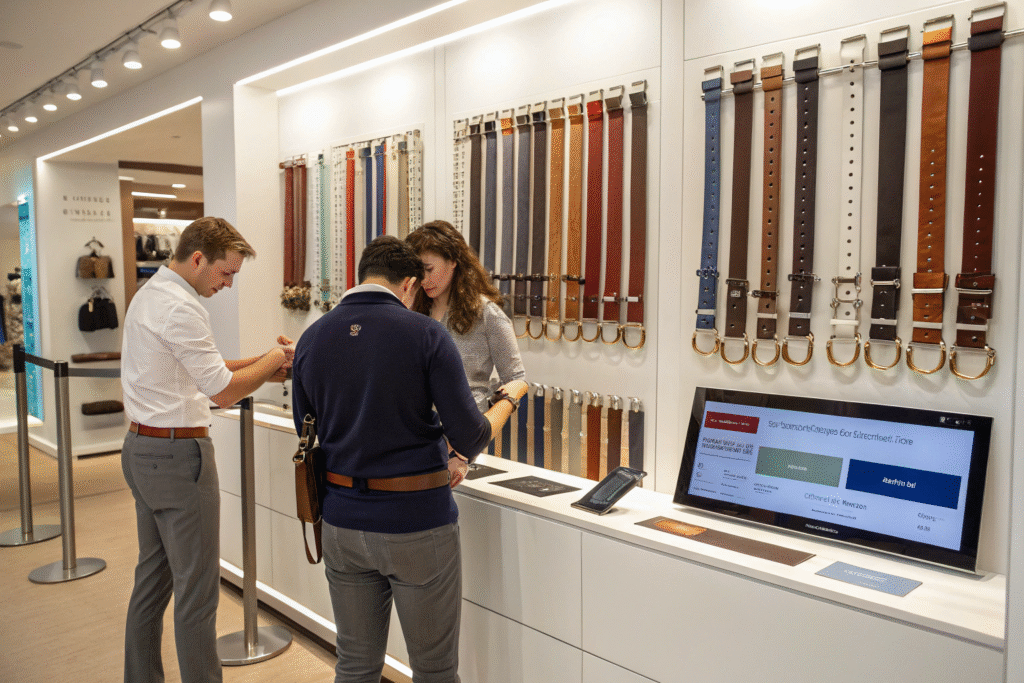
The interchangeable belt trend isn't just changing consumer behavior - it's transforming how retailers merchandise, market, and sell belt products in both physical and digital stores.
What Marketing Strategies Work Best for These Systems?
Successful retailers are focusing on demonstrating the versatility and value proposition through creative marketing. This includes:
- Creating "mix and match" visualizers on e-commerce sites
- Showing the same models wearing different combinations of the same components
- Highlighting the cost savings compared to traditional belt shopping
- Emphasizing the sustainability benefits in product messaging
These strategies help consumers understand the system's advantages and visualize how they would use the product in their own fashion routine.
How is In-Store Merchandising Evolving?
Physical retail spaces are adapting with new display concepts that encourage interaction and experimentation. Instead of presenting completed belts, forward-thinking retailers are creating separate displays for buckles and straps, often with "try me" stations where customers can test the switching mechanism. This hands-on experience is crucial for converting skeptical shoppers who may question the security or quality of interchangeable systems. The merchandising approach turns shopping from a passive experience into an engaging activity that showcases the product's unique benefits.
Conclusion
Quick-change interchangeable belts represent more than just a passing trend - they signify a fundamental shift in how consumers approach accessories. By combining versatility, value, and sustainability with the human desire for personalization, these systems address multiple modern consumer needs simultaneously. Their growing popularity reflects broader changes in fashion consumption towards smarter, more flexible, and more conscious purchasing decisions.
As this trend continues to evolve, manufacturers who invest in quality interchangeable systems will position themselves at the forefront of accessory innovation. If you're interested in developing your own line of quick-change interchangeable belts, our manufacturing expertise can help bring your vision to life. Contact our Business Director, Elaine, at elaine@fumaoclothing.com to discuss creating innovative belt systems that capture this growing market trend.