Imagine a nurse responding to a code blue emergency. Every second counts, but their traditional belt buckle takes precious time to unfasten. Or consider a surgeon whose glove snags on a protruding belt prong, breaking sterility. These aren't hypothetical scenarios—they're daily realities in healthcare that explain why quick-release buckles are transforming medical uniforms.
Quick-release buckles are crucial for medical uniform belts because they enable instant removal during emergencies, eliminate contamination risks from traditional buckles, accommodate rapid posture changes during patient care, and support healthcare workers with physical limitations. In environments where seconds determine outcomes and infection control is paramount, these buckles address critical needs that traditional designs cannot.
This guide will examine the life-saving, practical, and hygienic advantages of quick-release buckle systems in healthcare settings. We'll explore their emergency response benefits, infection control advantages, ergonomic improvements, and inclusive design features that support diverse healthcare teams.
How Do Quick-Release Buckles Enhance Emergency Response?
In medical emergencies, clothing should facilitate rather than hinder rapid response. Traditional buckles require visual attention, bilateral coordination, and precious seconds that healthcare providers may not have during critical situations. The delay seems minor until you're dealing with cardiac arrest or other time-sensitive emergencies.
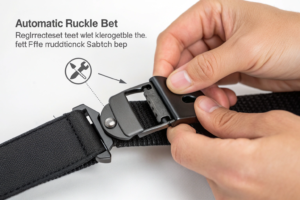
Quick-release mechanisms operate on intuitive principles that require minimal cognitive load. Most function through simple pinch, push, or pull actions that can be performed single-handedly, without looking, and often while moving. This seamless operation ensures that clothing never impedes emergency care delivery.

What Specific Emergency Scenarios Benefit Most?
Several critical situations demonstrate the life-saving potential:
- Code Blue/ Cardiac Arrest: Rapid access to code carts or CPR positioning
- Fall Response: Immediate movement to prevent patient injury
- Behavioral Emergencies: Quick disengagement from potentially dangerous situations
- Contamination Events: Instant removal of soiled uniforms
- Airway Emergencies: Unrestricted movement for airway management
The ability to respond without hindrance transforms belt buckles from simple fasteners into functional tools that support emergency protocols.
How Much Time Do Quick-Release Systems Save?
The time differential is significant when measured in emergency contexts:
- Traditional Buckle: 5-15 seconds with visual attention and two hands
- Quick-Release Buckle: 1-2 seconds, one-handed, no visual attention required
- Time Saved: 3-13 seconds per occurrence
In medical contexts where the "golden hour" or "platinum ten minutes" determine outcomes, these saved seconds accumulate into genuinely meaningful time savings that can impact patient survival and recovery.
Why Do They Superiorly Address Infection Control?
Healthcare-associated infections (HAIs) remain a persistent challenge, and clothing components can serve as transmission vectors. Traditional belt buckles feature multiple crevices, hinges, and protruding elements that trap pathogens and resist effective cleaning.
Quick-release buckles are designed with infection control as a priority. Their smooth surfaces, minimal seams, and simple mechanisms leave fewer places for pathogens to hide. Many medical-grade versions are specifically engineered for easy cleaning and compatibility with hospital-grade disinfectants.

What Design Features Reduce Pathogen Transmission?
Several buckle characteristics directly impact infection control:
- Seamless Surfaces: No cracks or crevices for microbial accumulation
- One-Piece Construction: Eliminates hinges and moving parts that trap contaminants
- Chemical Compatibility: Withstand frequent cleaning with harsh disinfectants
- Non-Porous Materials: Prevent liquid absorption and bacterial growth
- Temperature Resistance: Tolerate autoclaving or other sterilization methods
These features make medical-grade buckles significantly safer in environments where infection control is constantly monitored and regulated.
How Do They Compare to Traditional Buckles for Cleanability?
The cleaning advantage is demonstrable:
| Characteristic | Traditional Buckle | Quick-Release Buckle |
|---|---|---|
| Surface Complexity | High (multiple components) | Low (minimal components) |
| Cleaning Time | 2-3 minutes for proper cleaning | 30-60 seconds for complete cleaning |
| Pathogen Reduction | 80-90% with diligent cleaning | 95-99% with standard cleaning |
| Material Compatibility | Limited disinfectant tolerance | High disinfectant tolerance |
This cleanability advantage directly supports hospital infection prevention protocols and reduces cross-contamination risks.
How Do They Accommodate Healthcare's Physical Demands?
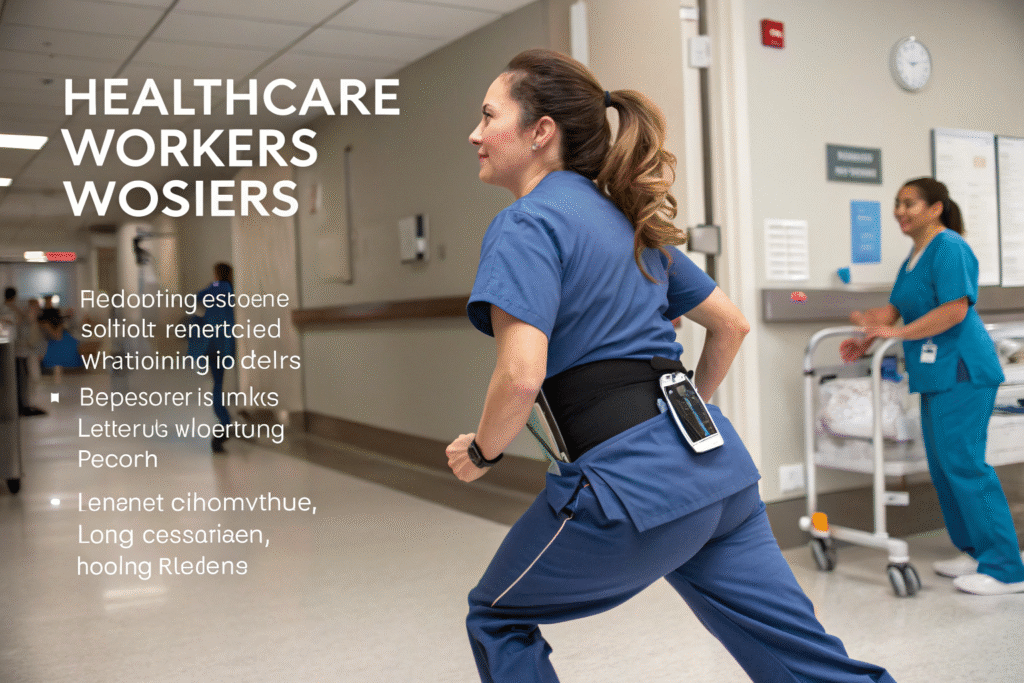
Healthcare work involves constant movement: bending, lifting, twisting, and rapid position changes. Traditional rigid buckles can dig into the abdomen during these movements, creating discomfort and even pressure injuries during long shifts.
Quick-release systems typically feature lower profiles and more flexible attachment systems. They distribute pressure more evenly and move with the body rather than against it. This dynamic compatibility with movement is essential in a profession where physical comfort directly impacts performance and longevity.
What Ergonomic Benefits Support Long Shifts?
The ergonomic advantages are particularly valuable during 12-hour shifts:
- Pressure Distribution: Wider surface area prevents pressure points
- Flexible Attachment: Moves with body rather than digging in
- Weight Management: Often lighter than traditional metal buckles
- Adjustable Fit: Accommodates positional changes and different postures
These features make ergonomic medical belts particularly valuable for professionals who spend significant time bending, lifting, or working in awkward positions.
How Do They Address Specific Healthcare Movements?
Different medical specialties benefit in specific ways:
- Nursing: Comfort during patient transfers and bed-side procedures
- Surgery: Unrestricted movement during long procedures
- Emergency Medicine: Flexibility during CPR and emergency interventions
- Radiology: Comfort during patient positioning and equipment operation
This movement compatibility helps prevent the musculoskeletal injuries that disproportionately affect healthcare workers.
Why Are They Essential for Inclusive Healthcare Environments?
The healthcare workforce encompasses people with diverse physical abilities, including those with temporary or permanent limitations. Traditional buckles can present significant barriers to healthcare professionals with arthritis, mobility limitations, or other conditions affecting hand function.
Quick-release buckles are inherently more accessible. Their simple operating principles require less fine motor control, minimal grip strength, and can often be operated using adaptive methods. This inclusivity ensures that all healthcare professionals can dress independently and perform their duties effectively.

What Conditions Benefit from Accessible Design?
Several common conditions make traditional buckles challenging:
- Arthritis: Reduced grip strength and finger dexterity
- Carpal Tunnel Syndrome: Pain and numbness in hands
- Parkinson's Disease: Tremors and coordination challenges
- Stroke Recovery: One-handed operation necessity
- Aging Workforce: Natural decline in fine motor skills
The accessible design of quick-release systems helps retain experienced healthcare professionals who might otherwise struggle with traditional uniform components.
How Does This Support Healthcare Diversity Initiatives?
Inclusive uniform design supports broader organizational goals:
- Workforce Retention: Keeps experienced professionals with age-related limitations
- Reasonable Accommodation: Meets ADA requirements with elegant solutions
- Return-to-Work Programs: Supports professionals recovering from injuries
- Universal Design Benefits: Works better for everyone, regardless of ability
This approach transforms uniform design from an afterthought into a strategic tool for supporting diverse, capable healthcare teams.
Conclusion
Quick-release buckles are crucial for medical uniform belts because they directly address healthcare's unique requirements: rapid emergency response through instant operation, superior infection control through cleanable designs, enhanced ergonomics that support demanding physical work, and inclusive accessibility that accommodates diverse healthcare professionals. These aren't mere convenience features—they're functional improvements that impact patient safety, infection prevention, workforce comfort, and professional inclusivity. By recognizing and addressing these critical needs, quick-release buckle systems transform medical uniforms from basic clothing into performance-enhancing tools that support better healthcare delivery.
If you're involved in sourcing or designing medical uniforms and recognize the critical importance of quick-release buckle systems, our factory specializes in medical-grade belt solutions. Contact our Business Director, Elaine, at elaine@fumaoclothing.com to discuss implementing quick-release technology in your healthcare uniform programs.