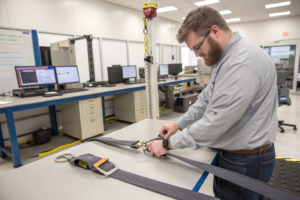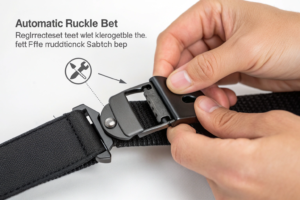
The wearable technology market is experiencing a convergence of sustainability initiatives and functional innovation, with solar-charged buckles representing one of the most practical integrations of renewable energy into everyday accessories. These innovative components address the fundamental limitation of most wearable tech—finite battery life—while aligning with growing consumer demand for environmentally conscious products that reduce dependency on traditional charging methods.
Solar-charged buckles are emerging in tech belts because they solve critical power constraints, enhance product sustainability profiles, offer genuine utility for outdoor users, represent visible technological sophistication, and align with broader renewable energy trends. Unlike battery-powered alternatives that eventually require replacement or recharging from external sources, solar-charged systems harness ambient light to extend functionality indefinitely, creating self-sustaining wearable ecosystems that appeal to both practical and environmental consumer values.
The integration of photovoltaic technology into belt buckles represents a significant advancement in how wearable devices manage power constraints while delivering on the promise of truly autonomous functionality. Understanding why this specific innovation is gaining traction reveals important insights about the future of wearable technology and consumer expectations for sustainable product design.
What Technical Advantages Drive Solar Buckle Adoption?
The practical benefits of solar-charged buckles extend beyond environmental appeal to address genuine usability limitations in tech-enabled belts.
How Does Solar Integration Solve Power Management Challenges?
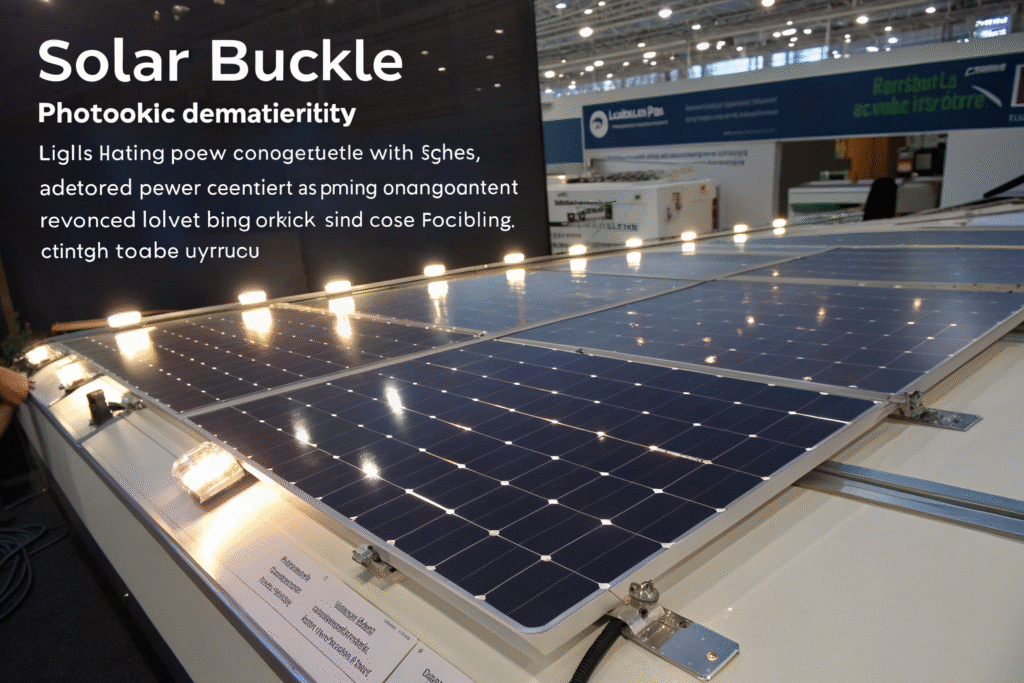
Solar-charged buckles utilize advanced photovoltaic technology that has evolved from rigid panels to flexible, efficient cells that can be seamlessly integrated into buckle designs. These systems typically incorporate power management circuits that optimize energy harvesting from various light conditions—direct sunlight, indoor lighting, or even shaded outdoor environments. The most advanced implementations use maximum power point tracking (MPPT) technology that continuously adjusts electrical operating points to extract maximum available power regardless of lighting conditions, significantly improving efficiency over simpler solar charging systems.
The power management advantage extends to energy storage, where solar buckles typically incorporate small but efficient lithium-polymer or lithium-ion capacitors that store harvested energy. Unlike traditional batteries that degrade with charge cycles, these storage systems are designed for the frequent partial charging that solar harvesting involves. The most sophisticated implementations provide power prioritization, directing energy to critical functions like emergency beacons or location tracking while maintaining basic functionality like step counting through harvested energy alone. This intelligent power management creates products that remain functional even during extended periods away from traditional charging options.
What Role Does Efficiency Play in Practical Usability?
Modern solar buckle systems achieve conversion efficiencies of 20-25% under ideal conditions, sufficient to power most wearable electronics with reasonable light exposure. This efficiency level means that just 2-3 hours of daylight exposure can provide 24-48 hours of standard functionality for most tracking and notification features. The most efficient designs optimize light capture through strategic surface angling, anti-reflective coatings, and light-concentrating elements that work even when the buckle isn't directly facing light sources.
The usability advantage becomes particularly valuable for specific user scenarios. Outdoor workers, hikers, runners, and travelers can maintain electronic functionality indefinitely without carrying additional charging equipment. Emergency personnel can rely on equipment that won't fail due to battery depletion during extended operations. The psychological benefit of not worrying about battery levels creates usage freedom that battery-dependent devices cannot match, particularly for applications where functionality is safety-critical rather than merely convenient.
What Consumer Trends Support Solar Buckle Market Growth?
Several converging consumer preferences create favorable conditions for solar-charged buckle adoption across multiple market segments.
| Consumer Trend | Solar Buckle Alignment | Market Impact |
|---|---|---|
| Sustainability Awareness | Reduced battery waste and grid energy dependence | Premium positioning justified by environmental benefits |
| Tech Integration Expectation | Seamless blending of technology with everyday items | Normalization of tech accessories as standard rather than specialty |
| Outdoor Activity Growth | Practical power solution for extended outdoor use | Natural market expansion through activity-specific utility |
| Emergency Preparedness | Self-sufficient power during disruptions | Additional use case beyond daily convenience |
| Minimalist Preferences | Reduced charging accessories and cables | Appeal to consumers seeking simplified tech ecosystems |
How Does Sustainability Positioning Drive Adoption?
Solar-charged buckles align perfectly with the growing consumer prioritization of sustainability by addressing the environmental impact of battery disposal and constant charging. Traditional electronic devices contribute to e-waste and ongoing energy consumption, while solar-integrated systems dramatically reduce both concerns. This environmental advantage enables brands to command premium pricing while appealing to consumers who increasingly factor sustainability into purchasing decisions, particularly in the wearable technology market where rapid product cycles create significant environmental concerns.
The sustainability narrative extends beyond product use to encompass manufacturing and lifecycle considerations. Solar buckles typically replace conventional buckles rather than adding completely new components, minimizing the additional resource consumption. Additionally, the extended functional life created by eliminating battery replacement cycles reduces the frequency of product replacement, supporting circular economy principles that value longevity over disposability. This comprehensive sustainability story resonates particularly strongly with younger consumers who demonstrate higher awareness of and willingness to pay for environmentally responsible products.
What Role Does Outdoor Lifestyle Growth Play?
The expansion of outdoor recreation participation creates natural markets for solar-charged technology that enhances experience without adding complexity. Hikers, campers, cyclists, and other outdoor enthusiasts represent ideal early adopters who directly benefit from unlimited power during extended excursions. For these users, solar buckles provide genuine utility rather than conceptual appeal, charging devices that provide navigation, emergency communication, or activity tracking when traditional power sources are unavailable.
The outdoor advantage extends to professional applications where workers spend significant time outdoors—construction, landscaping, agriculture, surveying, and emergency services. For these users, solar-charged belts represent practical tools that enhance productivity and safety rather than lifestyle accessories. The ability to power GPS tracking, communication devices, or environmental sensors without battery anxiety addresses real operational challenges, creating adoption drivers based on professional necessity rather than consumer preference alone.
What Design Innovations Enable Effective Integration?
Successful solar buckle implementation requires sophisticated design approaches that balance technological requirements with aesthetic and ergonomic considerations.
How Are Photovoltaic Surfaces Being Aesthetically Integrated?
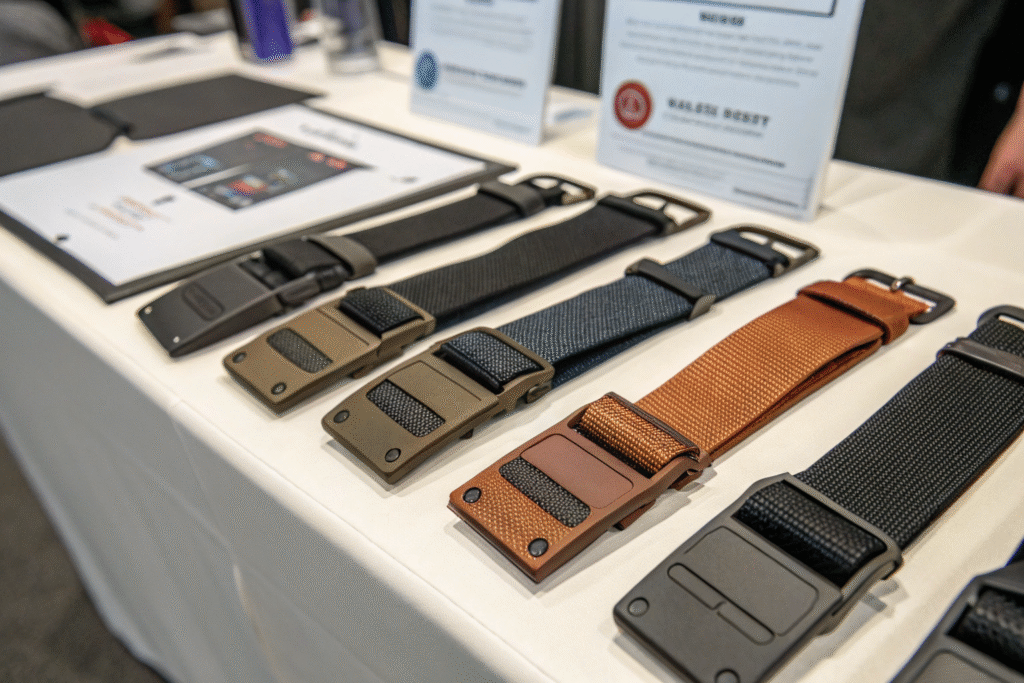
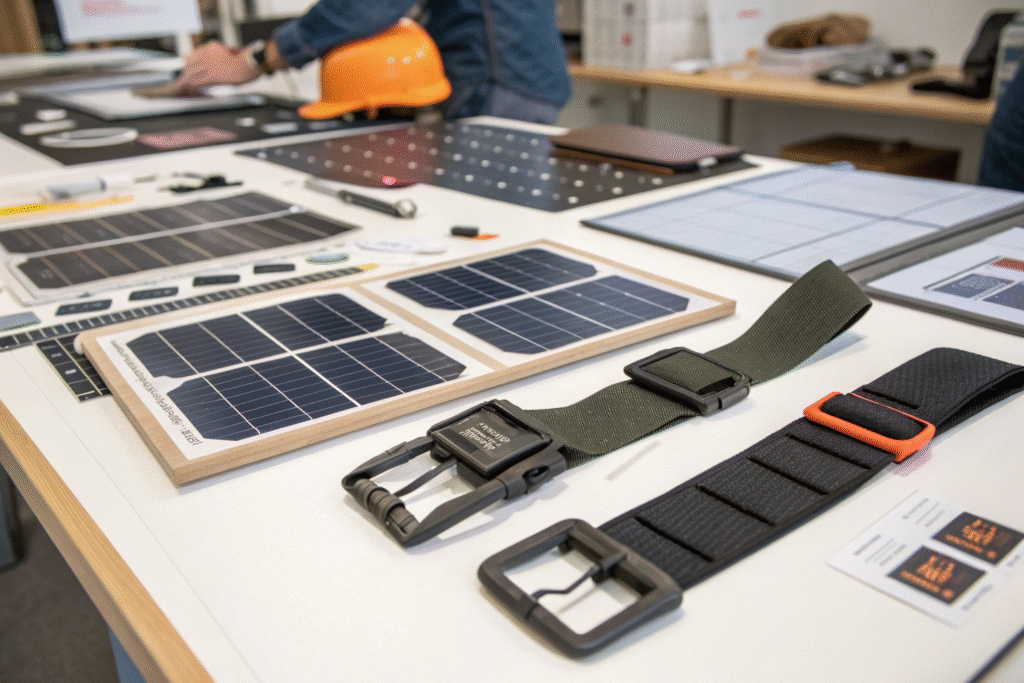
Modern solar buckles utilize advanced photovoltaic materials that overcome the visual limitations of earlier solar technology. Rather than obvious blue-black panels, current implementations use thin-film solar cells that can be manufactured in various colors and patterns while maintaining reasonable efficiency. Some designs incorporate solar cells behind decorative perforations or within transparent materials that conceal their technological function until closer inspection. This aesthetic normalization is crucial for mainstream adoption beyond technical early adopters.
The most sophisticated integrations make solar collection a design feature rather than a compromise. Buckles might incorporate sun-inspired motifs that naturally accommodate solar cells, or use materials that change appearance based on light exposure, creating dynamic aesthetics that highlight the technology rather than hiding it. This design-forward approach transforms solar buckles from purely functional items to conversation pieces that wearers appreciate for both form and function, supporting the fashion dimensions that drive accessory purchases beyond pure utility.
What Engineering Solutions Address Durability Concerns?
Solar buckles require specialized engineering to withstand the physical stresses that would destroy conventional solar panels. Protective coatings that resist scratching and impact while maintaining light transmission are essential for surface durability. Flexible connections between solar cells prevent cracking during the bending that occurs with belt wear. Waterproof sealing that maintains integrity despite temperature fluctuations, moisture exposure, and physical flexing ensures reliability in real-world conditions beyond laboratory environments.
The durability solutions extend to the electrical systems, with robust connections that withstand repeated mechanical stress and power management systems that prevent damage from voltage spikes or incorrect charging. The most reliable implementations use redundant electrical pathways that maintain functionality even if individual solar cells become damaged, and surge protection that guards against electrostatic discharge or other electrical hazards. This comprehensive durability approach is essential for products that must function reliably for years despite daily wear in varying environmental conditions.
How Do Solar Buckles Enhance Specific Product Categories?
The utility of solar-charged buckles varies significantly across different tech belt categories, with particular applications demonstrating exceptional value.
What Safety Applications Benefit Most from Solar Power?
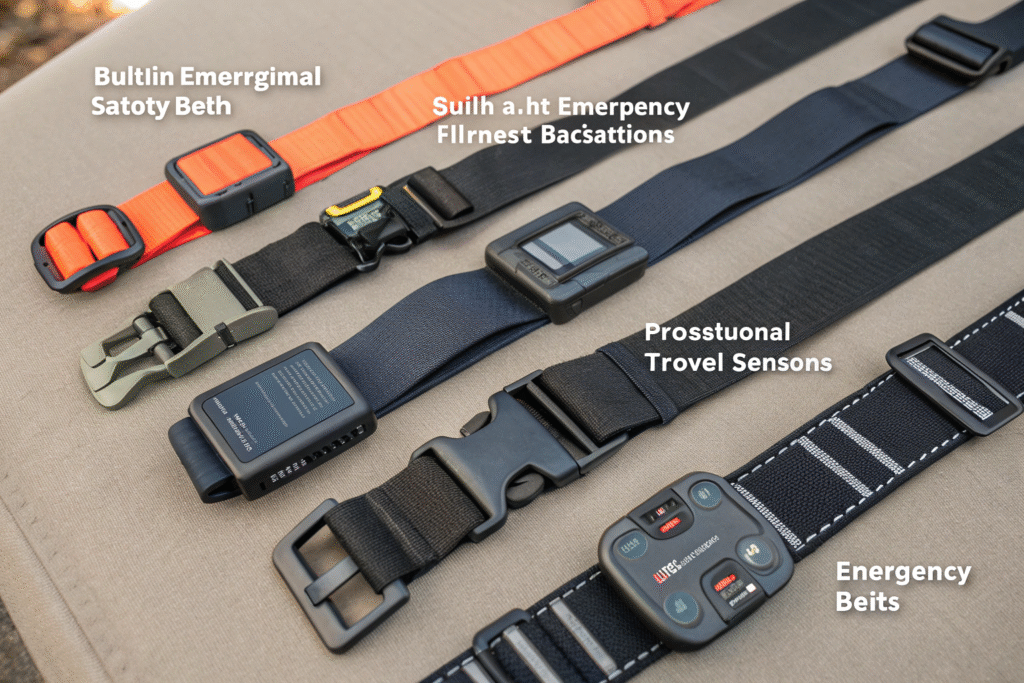
Solar-charged buckles provide critical safety enhancements for belts used in hazardous environments or emergency situations. Construction workers wearing fall protection systems with integrated solar-powered alerts can maintain safety functionality indefinitely without battery maintenance. Hikers and adventurers using location beacons or emergency signaling devices benefit from the assurance that their safety equipment won't fail due to power depletion. This reliability advantage proves particularly valuable in situations where traditional charging is impossible or easily forgotten until needed.
The safety advantage extends to professional applications where equipment reliability directly impacts risk management. Security personnel, first responders, and field researchers operating in remote locations can maintain communication and tracking functionality through solar charging that works during normal outdoor movement. The psychological security of knowing that safety systems will function when needed—without depending on remembered charging routines—represents a significant benefit that justifies the technology investment for both organizations and individuals.
How Do Fitness and Health Applications Utilize Solar Charging?
The continuous monitoring capabilities enabled by solar charging align perfectly with fitness and health tracking applications. Athletes engaged in extended training sessions or multi-day events can maintain performance tracking without power constraints. Patients monitoring specific health metrics benefit from uninterrupted data collection that provides more complete pictures of their conditions. The elimination of charging interruptions creates more valuable data sets while reducing the user burden that often causes abandonment of health tracking devices.
The fitness advantage extends to the growing category of "invisible wellness" technology that integrates seamlessly into daily life without requiring behavior changes. Solar-charged belts that never need deliberate charging represent the ultimate in unobtrusive health monitoring, gathering data passively while users focus on their activities rather than device management. This alignment with natural behavior patterns supports the consistent usage needed for meaningful health insights while delivering the convenience that modern consumers expect from integrated technology.
Conclusion
Solar-charged buckles are emerging in tech belts because they represent a practical convergence of sustainability, functionality, and design that addresses genuine limitations in current wearable technology. By solving the fundamental power constraint that limits most electronic accessories, while simultaneously appealing to environmental values and aesthetic expectations, these innovative components create products that deliver meaningful advantages beyond technological novelty.
As solar efficiency continues improving and integration costs decrease, solar-charged buckles will likely transition from premium features to standard components in many tech-enabled belts. Their ability to enhance functionality while reducing environmental impact represents a compelling value proposition that aligns with multiple consumer trends and practical needs across diverse user scenarios.
Ready to explore solar-charged buckle technology for your tech belt collections? Contact our Business Director, Elaine, at elaine@fumaoclothing.com to discuss our solar integration capabilities and product development approaches that balance power efficiency, durability, and aesthetic appeal.