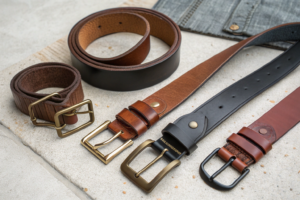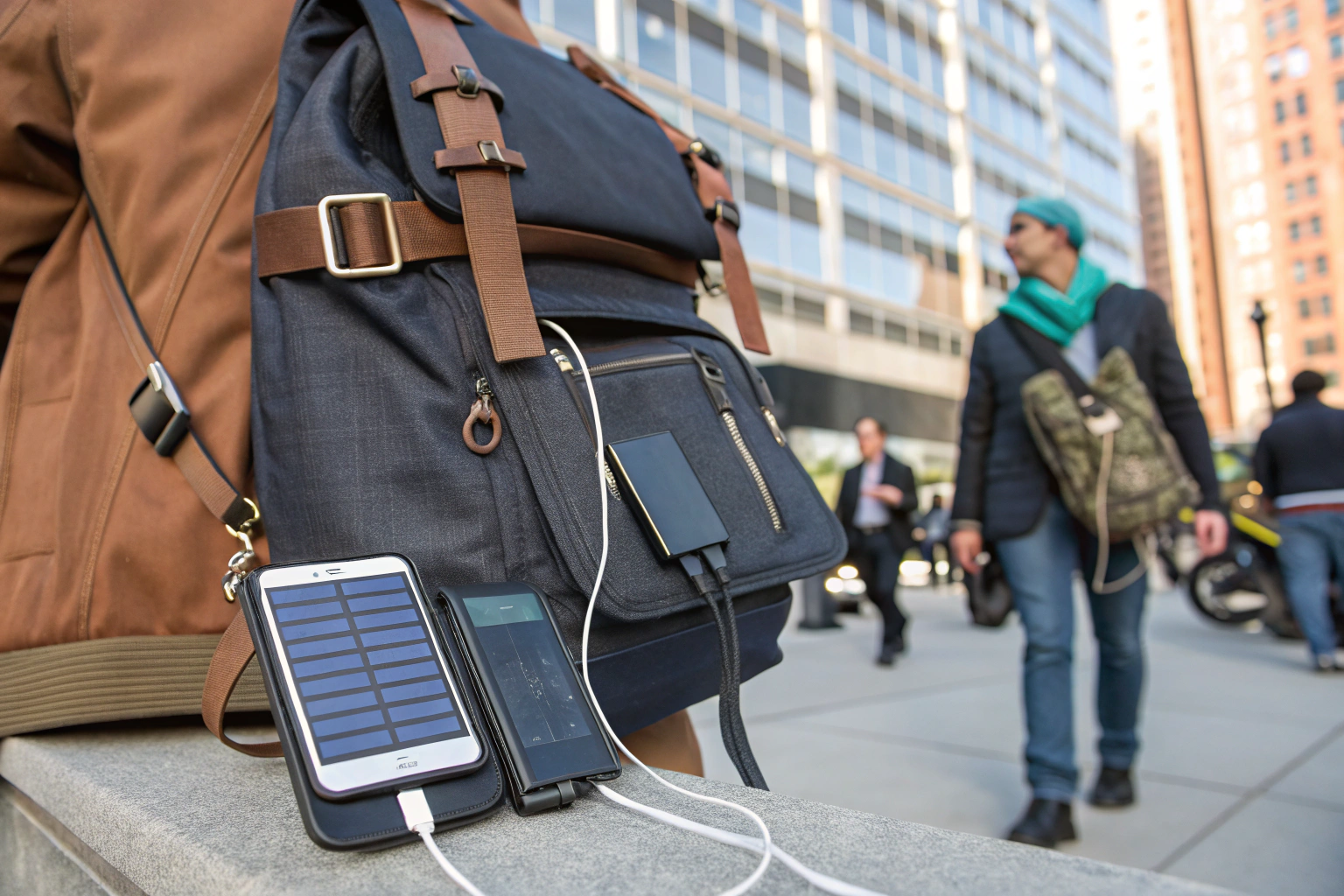
In a world where we are constantly juggling devices, the anxiety of a dead phone battery is all too real. Now, imagine your belt buckle could quietly top up your phone while you're out and about. This isn't a futuristic fantasy; it's the practical innovation behind solar-charged USB buckles. But why is this niche technology suddenly gaining traction among forward-thinking fashion and accessory brands? The convergence of consumer demand, technological maturity, and sustainable branding is powering this emerging trend.
Solar-charged USB buckles are emerging due to three powerful drivers: the universal need for on-the-go power, significant advancements in flexible solar cell and battery efficiency, and the growing market appeal of functional, sustainable fashion. They represent a seamless integration of utility into daily wear, moving beyond gimmicks to offer genuine problem-solving for active consumers.
For brands and buyers sourcing the next wave of accessories, understanding this trend is key to spotting opportunity. Let's delve into the reasons behind the rise of this wearable tech and what it means for the industry.
What Consumer Needs Do Solar USB Buckles Address?
Today's consumers, especially millennials and Gen Z, expect their accessories to do more than just look good. They crave functionality that integrates effortlessly into their mobile, on-the-go lifestyles. The solar USB buckle directly targets several core modern needs that traditional accessories simply ignore.
Solar USB buckles primarily address the need for convenient, cable-free emergency power, the desire for sustainable and off-grid energy solutions, and the growing trend of "functional fashion" that offers tangible benefits beyond aesthetics. They provide a discreet, always-available backup power source, turning a mundane accessory into a practical tool for travel, outdoor activities, or daily commutes.
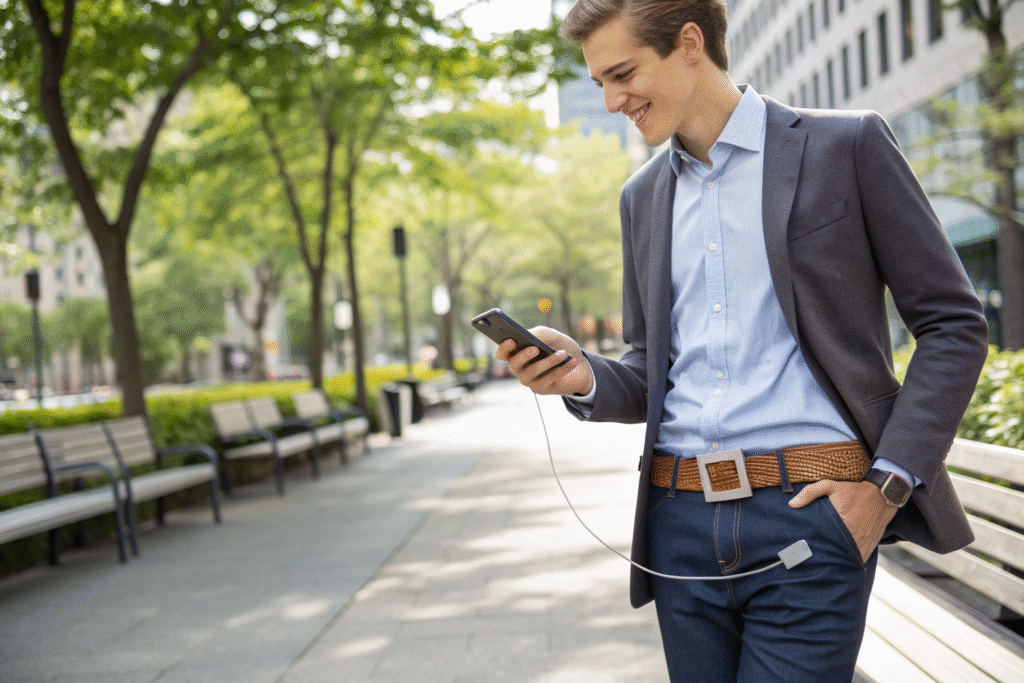
How Do They Solve the "On-the-Go Power Anxiety" Problem?
The fear of a dead phone—which means lost navigation, payment, and connection—is real. While power banks are common, they are another item to carry and remember to charge. A solar USB buckle, however, is always on you. It leverages ambient light (not just direct sunlight) to slowly trickle-charge its internal battery throughout the day. This makes it perfect for providing emergency "juice" to prevent a phone from shutting down. For our clients in the outdoor apparel sector, this feature is a major selling point for hikers and campers. It aligns perfectly with the philosophy of wearable technology that solves problems without adding bulk.
Why is the Sustainability Angle So Powerful?
Sustainability is no longer just a buzzword; it's a purchasing driver. A solar-charged accessory visually and functionally represents renewable energy. It reduces reliance on grid-charged power banks and disposable batteries. For brands, incorporating this technology tells a powerful story about innovation and environmental consciousness. It transforms a standard leather belt or nylon belt into a statement about personal energy independence. This aligns with the broader movement in sustainable fashion where materials and function merge to reduce environmental impact. The buckle becomes a conversation starter about clean energy.
What Technological Advances Made This Possible?
The concept of solar-powered wearables has existed for years, often held back by clunky designs, low efficiency, and high cost. The recent emergence of viable solar buckles is a direct result of breakthroughs in several key technological areas. Manufacturers can now source components that are efficient, durable, and small enough to be fashion-forward.
Key advances include: the development of highly efficient, flexible thin-film solar cells; the miniaturization and increased energy density of lithium-polymer batteries; and the creation of ultra-low-power power management integrated circuits (PMICs). These components can now be assembled into a package slim enough to integrate into a buckle without looking out of place on a dress belt or casual belt.
How Have Solar Panels Evolved for Wearables?
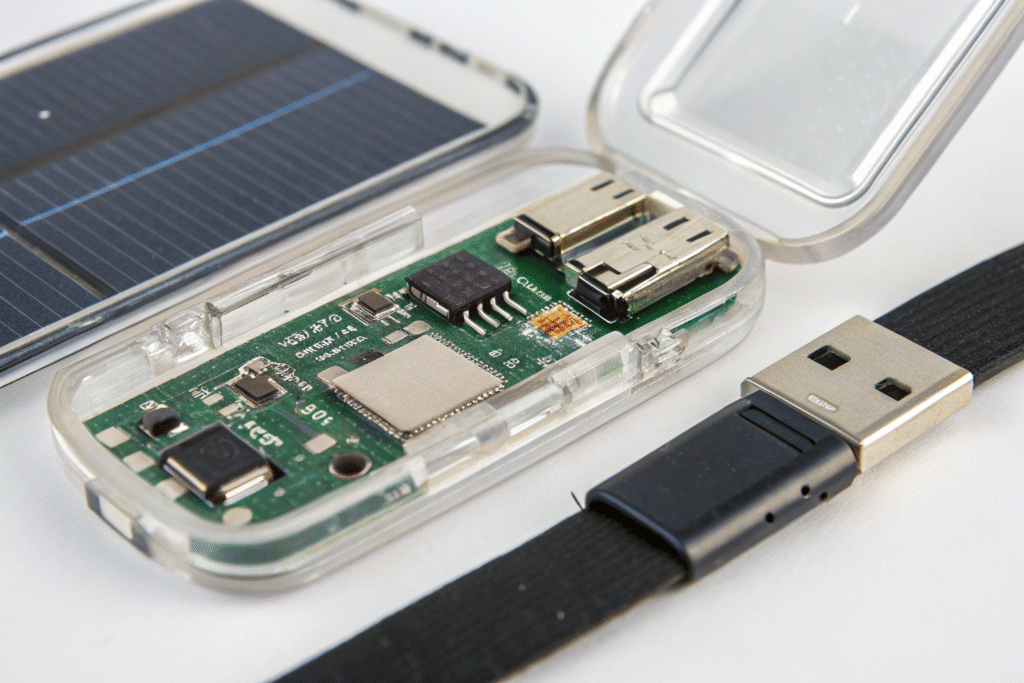
Early rigid solar panels were unsuitable for clothing. The game-changer is flexible thin-film solar technology, often using materials like amorphous silicon or CIGS (Copper Indium Gallium Selenide). These panels can be curved, are lightweight, and are surprisingly durable. Their efficiency in low-light conditions (indoors, cloudy days) has improved dramatically, allowing for practical energy harvesting throughout the day, not just in direct sunlight. Sourcing these panels from specialized photovoltaic component suppliers has become easier and more cost-effective for factories like ours that are venturing into tech-enabled accessories.
What About Battery and Circuit Miniaturization?
The energy harvested needs to be stored. Modern Li-Po batteries are incredibly energy-dense and can be made in custom, thin shapes to fit behind a solar panel. The true unsung hero is the PMIC. This tiny chip manages the complex task of optimizing power intake from the variable solar source, regulating charge to the battery, and providing stable output via the USB port. It includes vital protections against overcharge, over-discharge, and short circuits. Advances in surface-mount technology (SMT) assembly allow these entire systems to be built onto a circuit board smaller than a postage stamp. This level of miniaturization was cost-prohibitive just five years ago.
What Are the Sourcing and Manufacturing Considerations?
For a brand or buyer like Ron, moving from a traditional belt to a solar-charged one completely changes the sourcing playbook. You are no longer just sourcing leather and metal; you are sourcing advanced electronics and requiring a high level of assembly expertise. Understanding these considerations is crucial for a successful project.
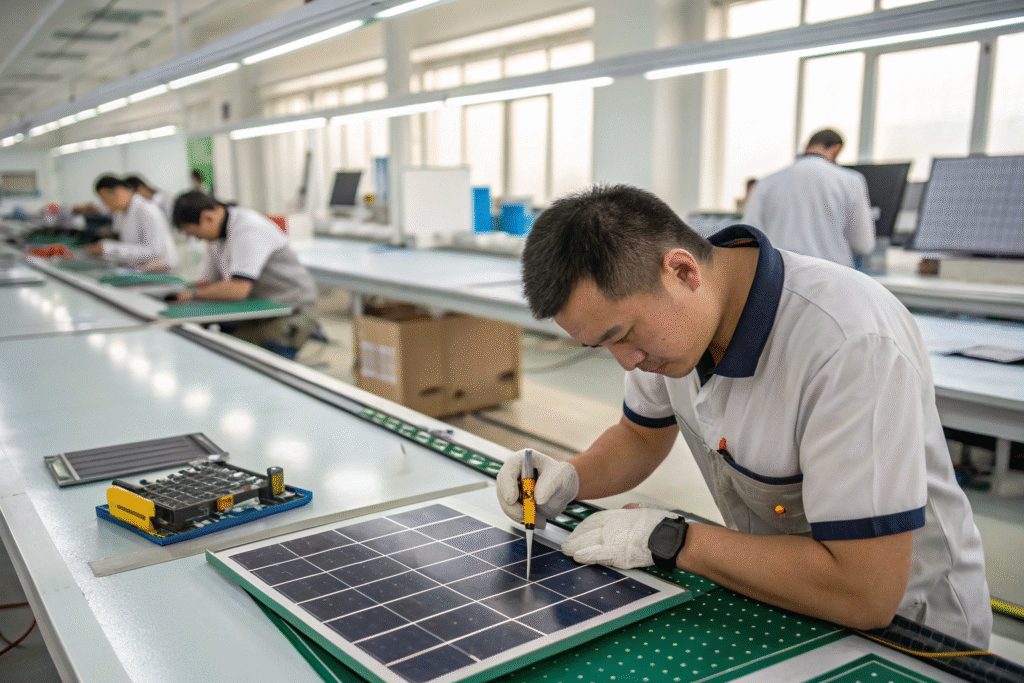
Sourcing solar USB buckles requires partnering with a manufacturer that has strong electronics supply chain connections and experience in durable goods assembly. Key considerations include: component sourcing (solar cells, batteries, ICs), water resistance and durability engineering, certification and compliance for electronics, and rigorous functional testing protocols. The factory audit must now cover an electronics assembly line.
How Do You Vet a Supplier's Technical Capability?
You must ask targeted questions. Can you provide a full Bill of Materials (BOM) with traceable components, especially the battery cell? What is your process for waterproofing the electronic compartment? (Aim for at least IPX4 rating). How do you manage ESD (Electrostatic Discharge) protection during assembly? Can you handle the required certifications (FCC, CE, RoHS)? Request to see their quality control process for the electronics: How is each unit's charging and output tested? A credible manufacturer will have a dedicated testing jig that verifies the solar input and USB output of every single buckle. They should also have a relationship with a reliable electronics manufacturing services partner if they don't do all assembly in-house.
What Are the New Cost and Lead Time Factors?
Expect a significant cost premium over a standard buckle. Costs are driven by the electronic components (the solar panel and PMIC being the most expensive), the custom molded casing to house them, and the more complex, labor-intensive assembly. Lead times will also be longer due to the procurement of electronic parts and longer production cycle times for precise assembly. Furthermore, you must factor in time and cost for compliance testing. Shipping also becomes more complex due to regulations surrounding lithium batteries. You'll need to work with a freight forwarder experienced in DG (Dangerous Goods) shipping. A clear understanding with your manufacturer on Incoterms is vital to manage these logistics.
What is the Market Potential and Future Evolution?
The current solar USB buckle is just the beginning. Its emergence is a signal of a broader trend: the true integration of energy harvesting into everyday items. Assessing its market potential requires looking at both its immediate appeal and its longer-term evolution as a platform for more features.
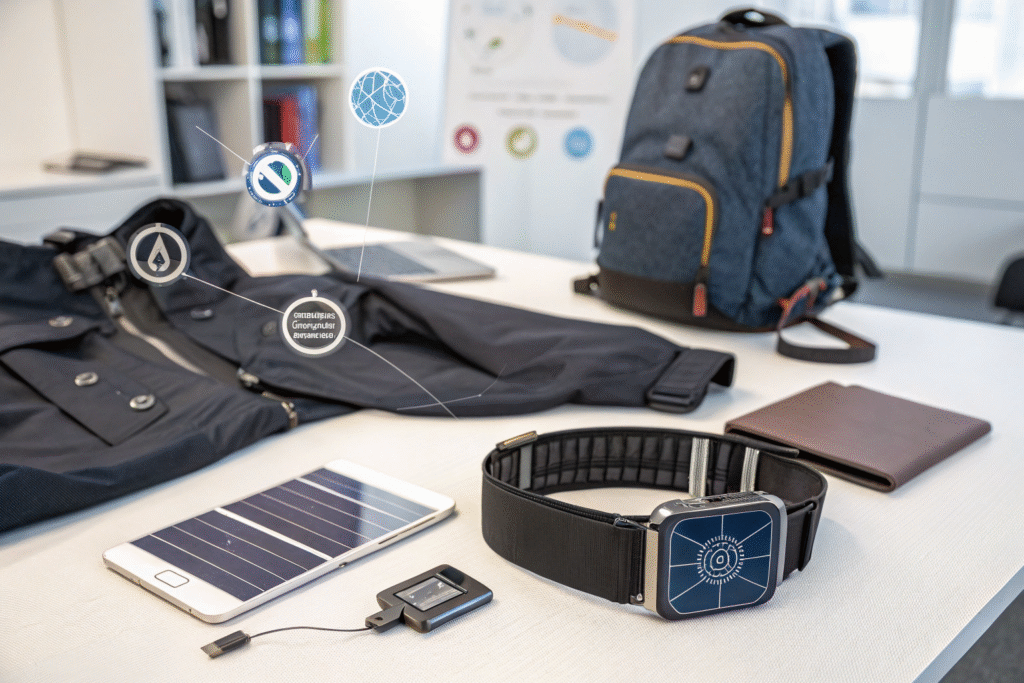
The immediate market potential lies in niche, high-value segments: outdoor and travel gear, tech-focused fashion brands, corporate gifts, and safety/emergency gear. The future evolution points toward buckles as connected IoT devices—integrating features like GPS tracking, health sensors, or emergency beacons, all sustained by the solar power source. This transforms the buckle from a simple charger into a wearable tech hub.
Which Consumer Segments Are Most Receptive?
Early adopters are key. The outdoor enthusiast segment values off-grid power for safety. The frequent traveler appreciates a backup that's always worn, avoiding "packing fatigue." Tech-savvy professionals who love gadgets see it as a stylish utility. There's also potential in promotional products for eco-conscious companies. For brands, offering a solar buckle is less about volume and more about positioning—it establishes the brand as innovative and responsible. It can serve as a flagship product that drives attention to a broader line of men's belts and women's belts.
How Could This Technology Evolve Beyond Charging?
The solar buckle provides a constant, low-level power source. This makes it an ideal platform for adding other low-energy sensors and radios. Future iterations could include:
- Integrated Safety Features: An IoT-enabled buckle with a Bluetooth panic button that alerts contacts or services.
- Fitness Tracking: Basic step counting or UV exposure monitoring.
- Asset Tracking: For luggage or high-value equipment in logistics.
- Smart Integration: Unlocking your car or smart home as you approach.
The buckle, always on the body and self-powered, becomes a more reliable and convenient location for these functions than a phone or a device that needs frequent charging. Sourcing will then involve finding partners with expertise in wireless communication modules and sensor integration.
Conclusion
Solar-charged USB buckles are emerging not as a passing fad, but as a logical response to converging trends: our dependency on mobile power, the maturation of flexible solar and battery tech, and the consumer demand for sustainable functionality. They represent a significant shift in accessory sourcing, requiring brands to engage with hybrid manufacturing expertise and navigate the world of electronics compliance.
For forward-thinking brands and buyers, this trend presents a unique opportunity to differentiate in a crowded market, command a premium price, and align with powerful sustainability narratives. While the sourcing journey is more complex than for traditional belts, the potential for brand building and capturing a loyal, tech-forward customer segment is substantial.
If you are exploring the integration of solar charging or other innovative tech into your accessory lines, partnering with a factory that understands both fashion and functional electronics is crucial. We specialize in bridging this gap, from concept to certified, mass-produced product. To discuss how a solar-charged buckle could power your next collection, contact our Business Director, Elaine, for a consultation at elaine@fumaoclothing.com. Let's harness innovation together.