In an increasingly safety-conscious world, visibility has become a critical concern across numerous industries and activities. From construction workers on busy sites to cyclists commuting at dusk, the need for enhanced visibility is driving innovation in personal safety equipment. Solar-lighted buckles represent one of the most promising developments in this space, merging practical fastening functionality with active illumination technology.
Solar-lighted buckles are emerging as vital safety components because they provide continuous high-visibility illumination without batteries, offer hands-free lighting solutions, enhance worker and pedestrian safety in low-light conditions, and integrate renewable energy technology into everyday safety gear. These innovative buckles address multiple safety challenges simultaneously while requiring minimal user maintenance or intervention.
The integration of solar technology into functional belt components represents a significant advancement in personal protective equipment. Let's examine the key factors driving their adoption and effectiveness.
How Do Solar-Lighted Buckles Enhance Visibility Safety?
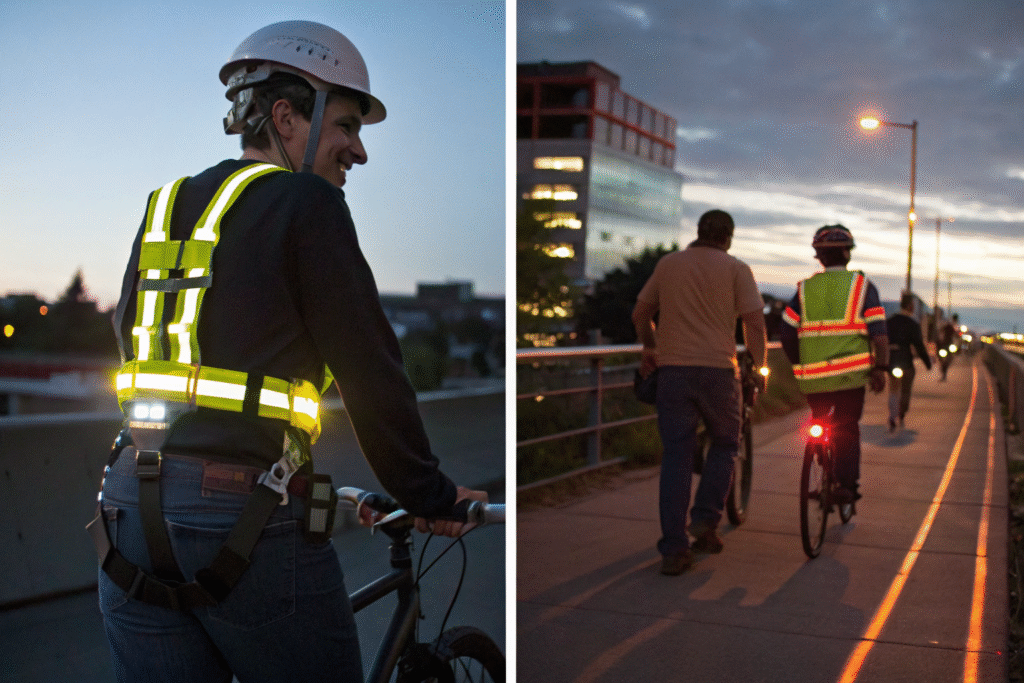
The primary safety benefit of solar-lighted buckles lies in their ability to provide constant, autonomous illumination in various lighting conditions.
What Makes Them Superior to Reflective Materials?
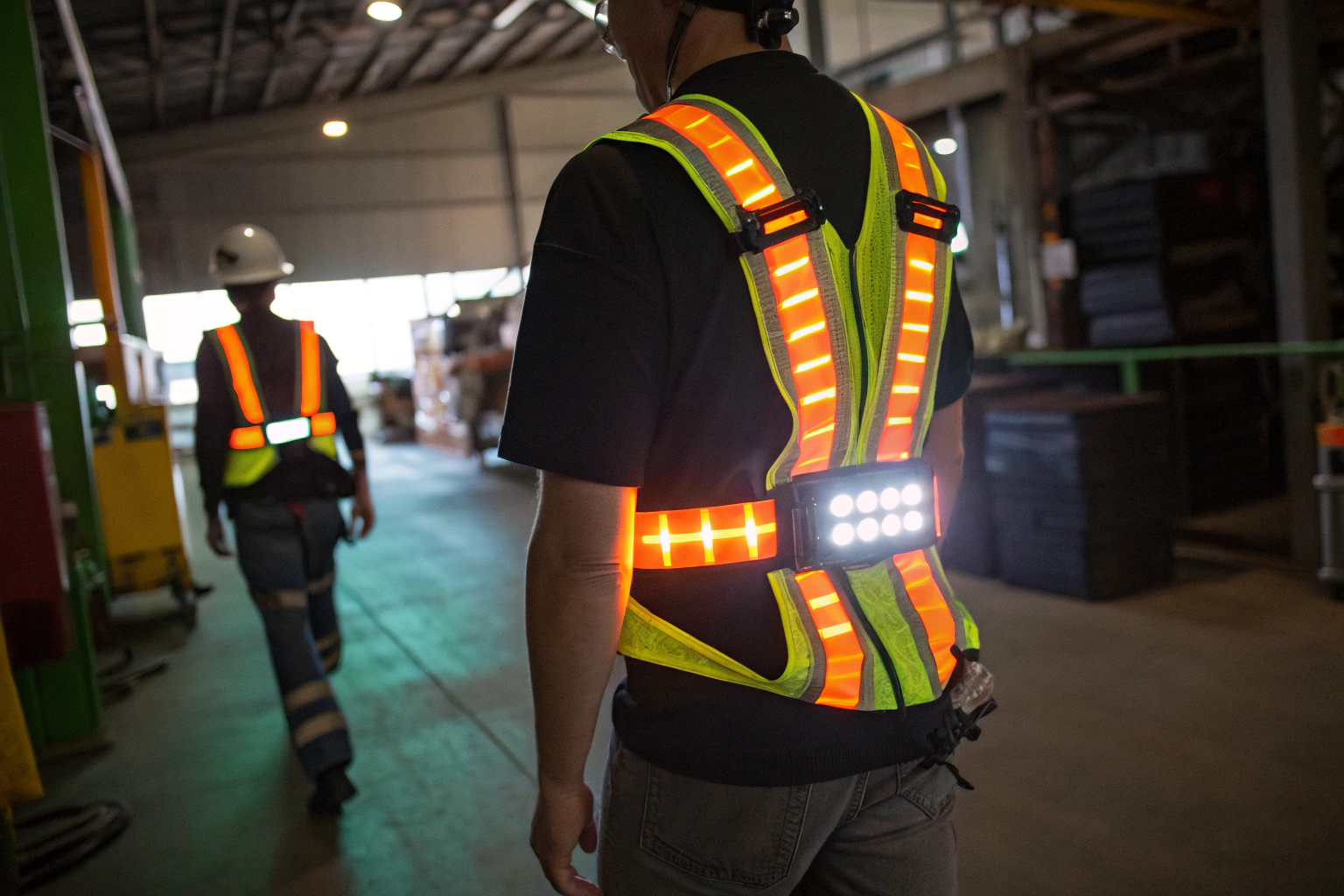
While traditional reflective materials require external light sources to become visible, solar-lighted buckles provide active illumination that makes wearers visible in complete darkness. The built-in LEDs offer 360-degree visibility, ensuring wearers can be seen from all angles. Unlike reflective strips that only work when light hits them directly, illuminated buckles create their own light source, making them particularly effective in conditions where vehicle headlights might not directly illuminate reflective materials until it's too late for reaction.
How Does Automatic Operation Improve Reliability?
The autonomous nature of solar-lighted buckles ensures they're always operational when needed. With light sensors that automatically activate illumination at dusk and recharge during daylight hours, users don't need to remember to turn them on or off. This eliminates human error and ensures consistent protection. The systems are designed to store enough solar energy to provide illumination throughout the night, with most quality models offering 8-12 hours of continuous operation after a full day's charging.
What Technical Innovations Enable Practical Implementation?
Recent advancements in solar technology and energy storage have made lighted buckles both practical and affordable for widespread use.
How Have Solar Efficiency Improvements Enabled This Application?
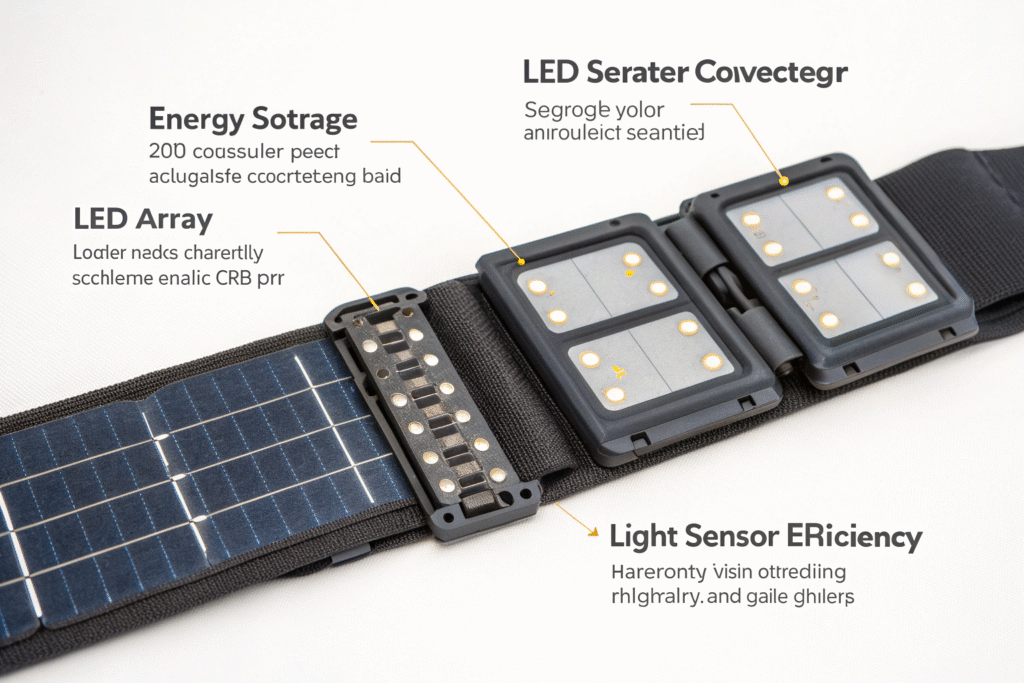
Breakthroughs in solar cell technology have dramatically increased energy conversion efficiency, allowing small surface areas to capture sufficient energy for overnight illumination. Modern flexible solar panels can be integrated into buckle designs without compromising comfort or functionality. Simultaneously, improvements in LED efficiency mean less energy is required to produce bright, visible light. These dual advancements make it possible for buckles to harvest enough energy during daylight hours to power illumination throughout the night.
What Energy Storage Solutions Support All-Night Operation?
The development of high-capacity, compact energy storage systems has been crucial for solar-lighted buckle functionality. Advanced lithium-polymer batteries offer high energy density in slim profiles that fit within standard buckle dimensions. These batteries support hundreds of charge cycles while maintaining capacity, ensuring the buckles remain functional for years. Smart charging circuits protect against overcharging and optimize energy use based on available light conditions, maximizing operational reliability.
Which Industries Benefit Most from This Technology?
Several sectors have rapidly adopted solar-lighted buckles due to their specific safety requirements and operational conditions.
How Does Construction and Infrastructure Benefit?
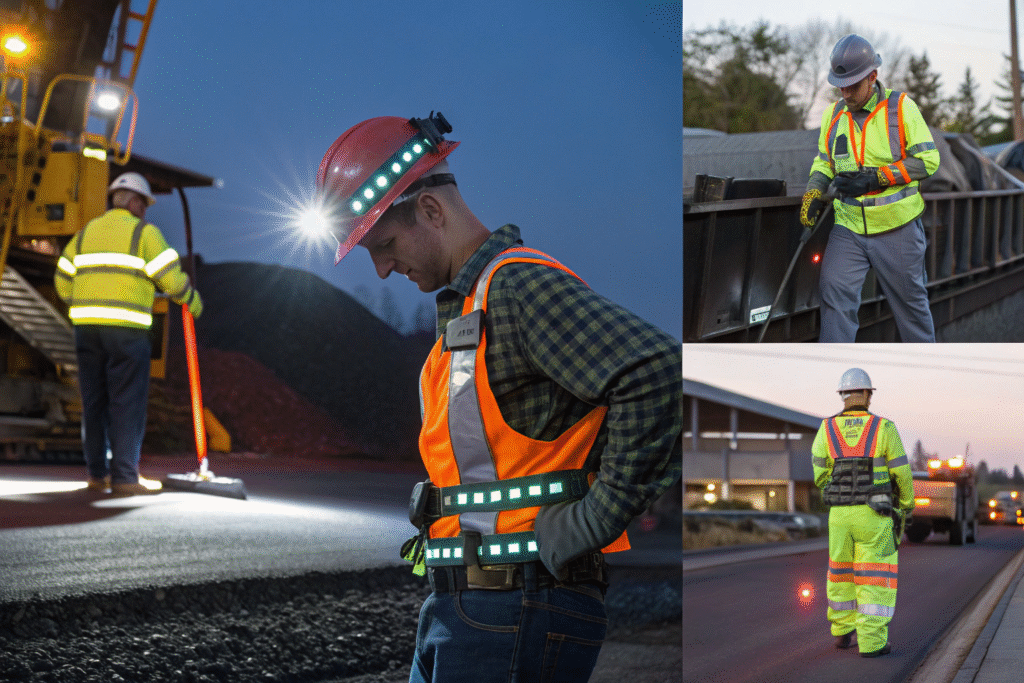
Construction sites and infrastructure projects represent prime applications for solar-lighted buckles. Workers often labor during early mornings, late evenings, or in poorly lit areas where visibility is compromised. The construction safety standards increasingly mandate high-visibility gear, and illuminated buckles provide an additional layer of protection beyond standard reflective vests. The hands-free nature of the illumination is particularly valuable for workers who need both hands for their tasks while maintaining visibility to equipment operators and colleagues.
What Value Do Emergency Services Derive?
Police, fire, and emergency medical services operate around the clock in unpredictable lighting conditions. Solar-lighted buckles help first responders maintain visibility during nighttime operations, traffic incidents, and low-light emergencies. The technology is particularly valuable for search and rescue operations where team members need to see each other in darkness while keeping hands free for rescue tasks. The automatic operation ensures protection is always active without requiring conscious activation during stressful emergency situations.
How Does User Experience Drive Adoption?
The practical benefits and ease of use contribute significantly to the growing popularity of solar-lighted buckles.
What Maintenance and Usability Advantages Exist?
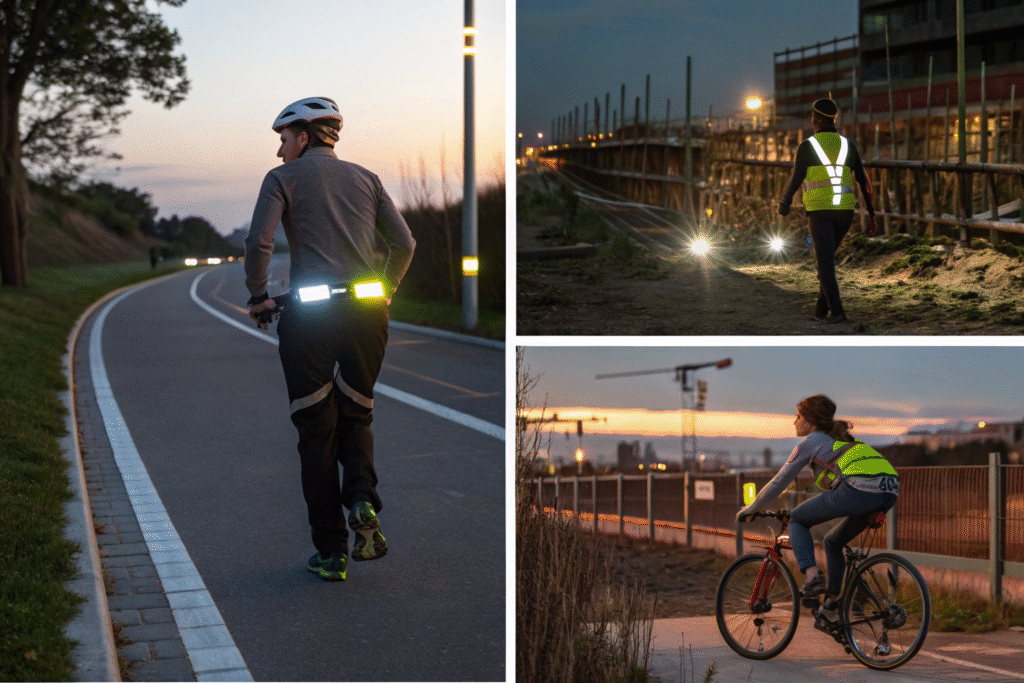
Unlike battery-powered lights that require regular replacement or recharging, solar-lighted buckles offer maintenance-free operation that appeals to both individual users and organizations managing equipment for multiple employees. The complete lack of cords, switches, or replaceable batteries simplifies use and reduces long-term costs. Users appreciate not having to remember to charge equipment or carry spare batteries, making compliance with safety protocols more likely and consistent.
How Does the Technology Support Compliance and Responsibility?
For organizations, implementing solar-lighted safety equipment demonstrates a proactive approach to workplace safety compliance. The visible commitment to advanced safety technology can improve safety records, reduce insurance costs, and enhance corporate responsibility profiles. The automatic nature of the technology ensures continuous protection rather than relying on employees to manually activate safety features, addressing a common challenge in safety program implementation and monitoring.
Conclusion
Solar-lighted buckles represent a significant advancement in personal safety technology by combining renewable energy with practical everyday gear. Their ability to provide autonomous, maintenance-free illumination addresses critical visibility challenges across multiple industries and activities while offering the reliability and convenience that drive consistent usage.
As solar efficiency continues to improve and manufacturing costs decrease, these innovative safety solutions are likely to become standard equipment in numerous professional and recreational contexts. If you're interested in developing or sourcing belts with integrated solar-lighted buckles for your safety needs, contact our Business Director, Elaine, at elaine@fumaoclothing.com to discuss how our manufacturing capabilities can integrate this emerging safety technology into your product offerings.