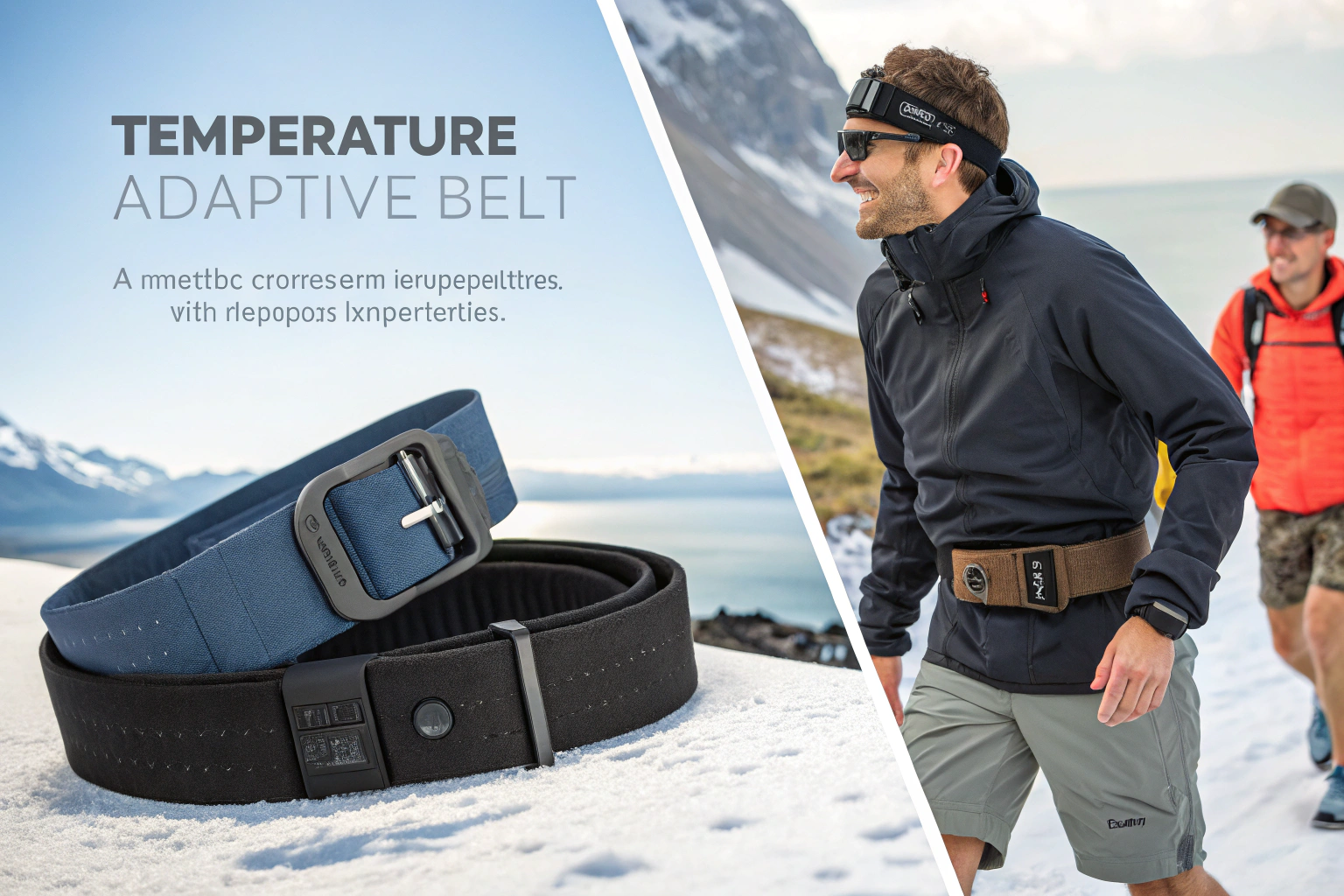
The accessories market is experiencing a significant shift as consumers increasingly demand products that offer both style and smart functionality. Temperature-adaptive belts represent the latest innovation in this evolution, combining traditional craftsmanship with advanced material science to create accessories that actively respond to environmental conditions and body temperature.
Temperature-adaptive belts are emerging because they address universal comfort issues, leverage advancements in smart materials, meet growing consumer expectations for multifunctional products, and provide solutions for active lifestyles and extreme climate conditions. These innovative belts automatically adjust their properties to maintain optimal comfort across varying temperatures and activity levels, representing a fundamental improvement over static traditional belt materials.
The development of temperature-responsive accessories reflects broader trends in wearable technology and functional fashion. Let's examine the key drivers behind this emerging category.
What Technological Advances Enable Temperature Adaptation?
Recent breakthroughs in material science and manufacturing processes have made temperature-adaptive features commercially viable for the first time.
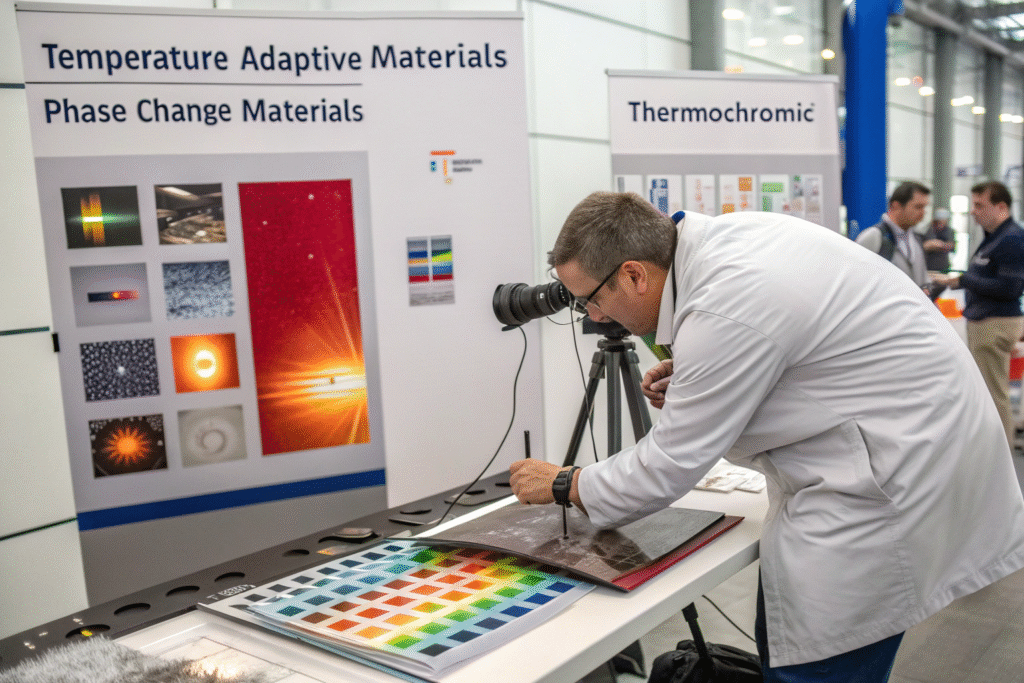
How Do Phase-Change Materials Work in Belts?
Phase-change materials (PCMs) represent the most common approach to temperature adaptation, using microencapsulated waxes or salts that absorb, store, and release heat energy during phase transitions. These materials are integrated into belt linings or interlinings, where they actively regulate temperature by melting when warm (absorbing excess heat) and solidifying when cool (releasing stored heat). This creates a buffering effect that maintains a consistent microclimate against the skin, preventing discomfort from temperature extremes during transitions between environments.
What Role Do Shape-Memory Alloys Play?
Advanced temperature-adaptive belts incorporate shape-memory alloys that automatically adjust belt tension and fit in response to temperature changes. These nickel-titanium alloys contract when cool (providing a snugger fit in cold conditions) and expand when warm (preventing constriction in heat). This dynamic adjustment not only enhances comfort but also addresses the common problem of belts feeling too tight in summer heat or too loose in winter cold, creating consistent optimal fit across seasons.
What Consumer Needs Drive Market Demand?
Several converging consumer trends have created the perfect environment for temperature-adaptive accessories to gain market traction.
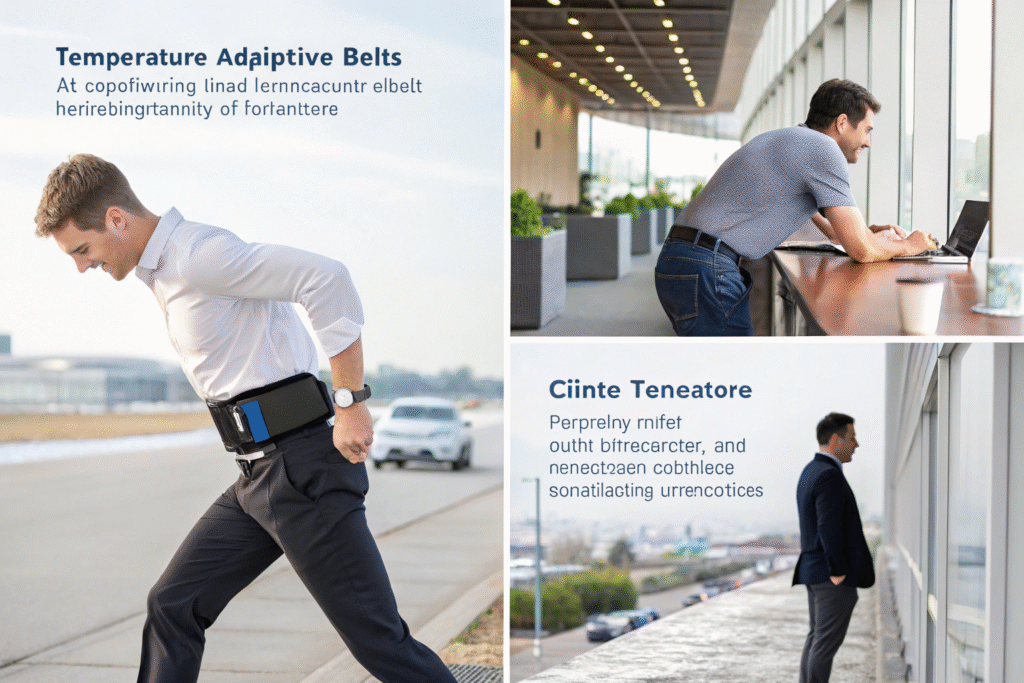
How Do Climate Adaptation Needs Influence Demand?
Increasing climate variability and more frequent extreme weather events have created demand for adaptive clothing solutions that perform across diverse conditions. Consumers who commute between different environments or travel frequently particularly value products that maintain comfort despite rapid temperature changes. Temperature-adaptive belts eliminate the need for seasonal belt rotations or uncomfortable adjustments, providing year-round versatility that aligns with minimalist and capsule wardrobe approaches.
What Active Lifestyle Benefits Drive Adoption?
For fitness-conscious consumers and those with active jobs, temperature-adaptive belts offer significant advantages during physical activity. The materials help manage perspiration and heat buildup around the core, where temperature regulation is most crucial. Unlike traditional leather belts that can become stiff when sweat evaporates or synthetic belts that may trap moisture, adaptive versions maintain consistent performance and comfort regardless of activity level, making them ideal for people who need their accessories to perform from boardroom to gym.
How Do These Belts Enhance User Comfort?
The comfort benefits of temperature-adaptive belts extend beyond simple temperature regulation to encompass multiple aspects of wearability.
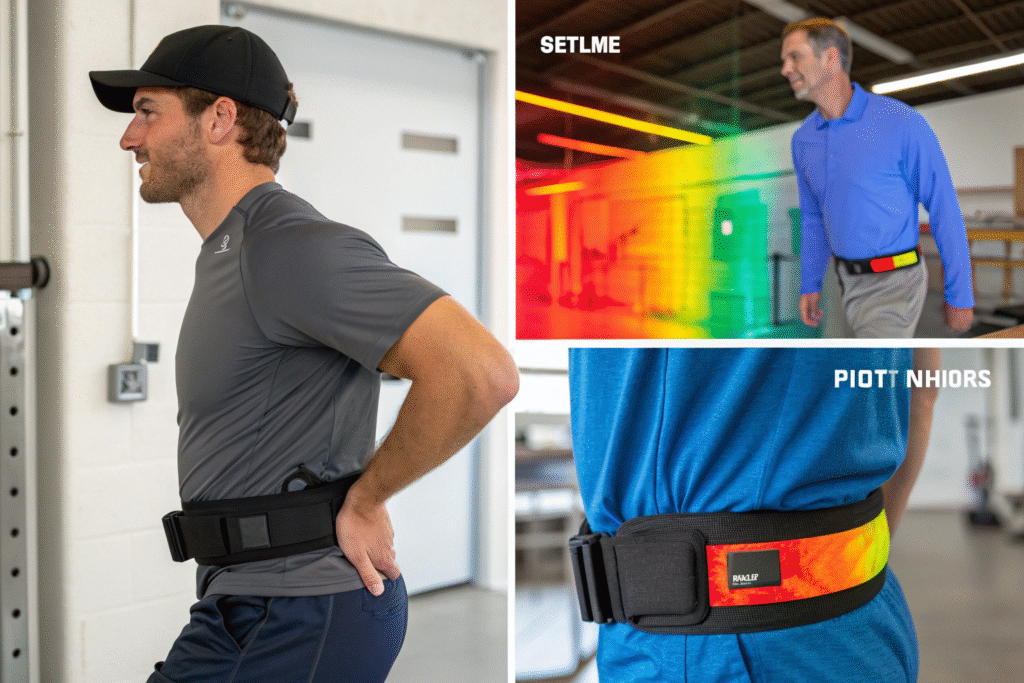
How Does Dynamic Flexibility Improve Wearability?
Temperature changes significantly affect belt materials' flexibility and feel against the skin. Traditional leather stiffens in cold conditions while becoming overly pliable in heat, but temperature-adaptive belts maintain consistent flexibility across conditions. This consistent performance prevents the uncomfortable pressure points that can develop when belts become rigid in cold weather or overly loose in heat. The result is all-day comfort that doesn't require constant adjustment or break-in periods.
What Moisture Management Advantages Exist?
Many temperature-adaptive belts incorporate advanced moisture-wicking properties alongside thermal regulation. By managing both temperature and humidity, these belts prevent the discomfort of sweat accumulation and the skin irritation that can result from prolonged moisture exposure. This dual functionality is particularly valuable in humid climates or for individuals who experience temperature fluctuations due to medical conditions or hormonal changes.
What Market Trends Support This Innovation?
Several broader industry and consumer trends create favorable conditions for temperature-adaptive belt adoption.
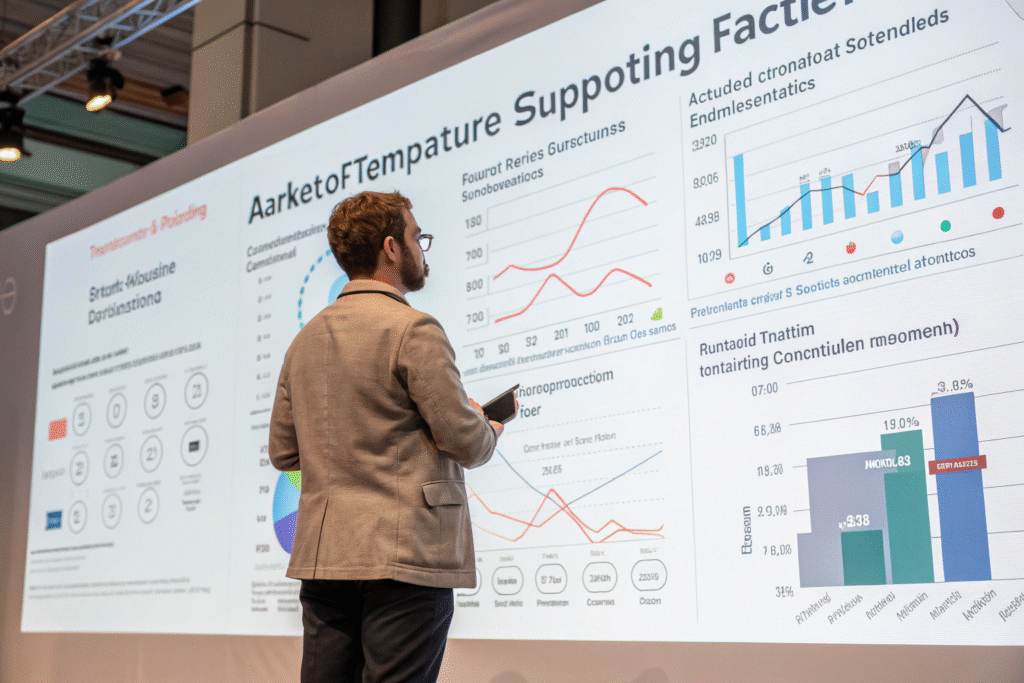
How Does Wearable Technology Growth Influence Adoption?
The massive expansion of the wearable technology market has conditioned consumers to expect smart functionality in everyday items. While temperature-adaptive belts typically don't include electronics, they benefit from the same consumer mindset that values products offering enhanced performance through advanced materials. This technological association helps position adaptive belts as premium, innovative products worthy of investment rather than mere fashion accessories.
What Sustainability Advantages Support Market Position?
Temperature-adaptive belts support sustainable consumption patterns by reducing the need for multiple seasonal belts. Their year-round versatility means consumers can own fewer belts while maintaining appropriate comfort across conditions, aligning with minimalist and conscious consumption movements. Additionally, many advanced materials used in these belts are developed with environmental considerations, using non-toxic phase-change substances and production methods with lower environmental impact than traditional belt manufacturing.
How Are Manufacturers Implementing These Technologies?
The practical implementation of temperature-adaptive features requires specialized manufacturing approaches and quality control.
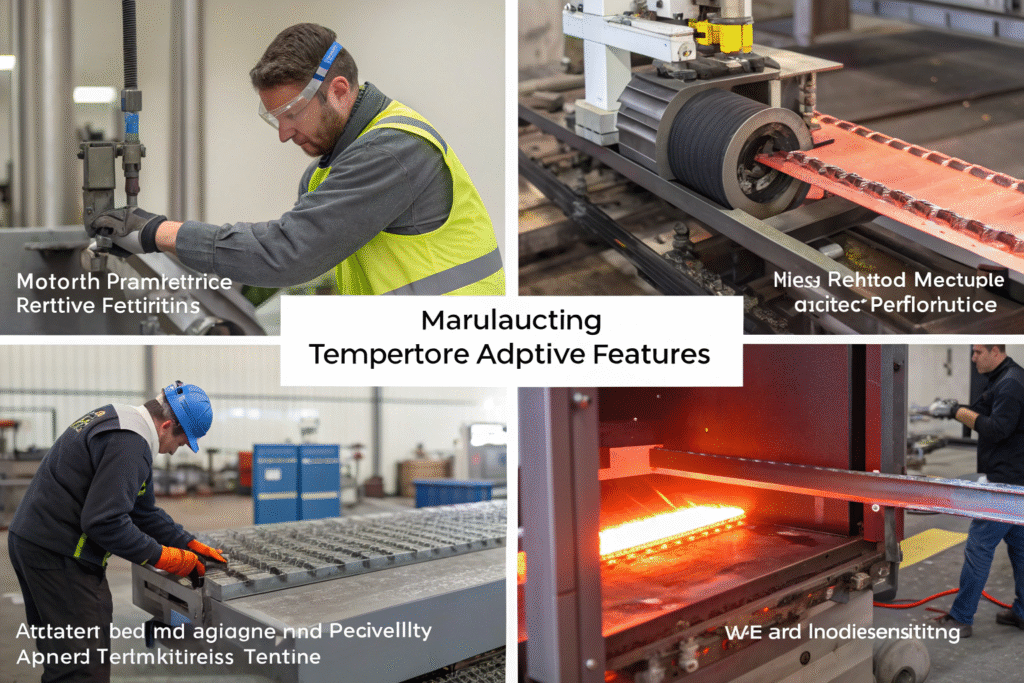
What Integration Methods Ensure Performance?
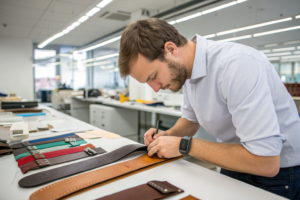
Successful manufacturers use precision lamination techniques to incorporate adaptive materials without compromising belt aesthetics or durability. This involves creating composite structures that protect sensitive materials while ensuring they function effectively. The best implementations maintain the traditional appearance and handling characteristics of quality belts while adding the adaptive functionality invisibly, avoiding the technical look that sometimes detracts from wearable technology products.
How Is Quality Verified for Adaptive Features?
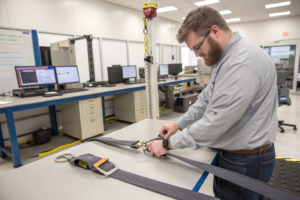
Rigorous testing protocols ensure temperature-adaptive belts perform as promised. Manufacturers conduct accelerated lifecycle testing that simulates years of use across temperature extremes, verifying that adaptive properties maintain effectiveness. Additionally, thermal performance is quantitatively measured using infrared imaging and thermal manikins to provide objective data on temperature regulation capabilities. This thorough verification process is crucial for building consumer trust in the adaptive claims.
Conclusion
Temperature-adaptive belts represent a significant advancement in accessory design, merging sophisticated material science with everyday functionality to solve genuine comfort challenges. Their emergence reflects broader trends toward smarter, more responsive products that enhance daily life through intelligent design rather than complicated technology.
As material science continues to advance and consumer expectations for functional fashion grow, temperature-adaptive features are likely to become standard in quality accessories. If you're interested in developing or sourcing belts with temperature-adaptive technology, contact our Business Director, Elaine, at elaine@fumaoclothing.com to discuss how our technical expertise and manufacturing partnerships can help you integrate these innovative features into your product offerings.