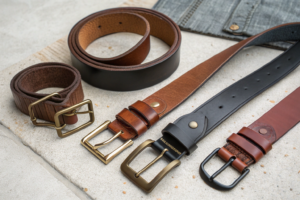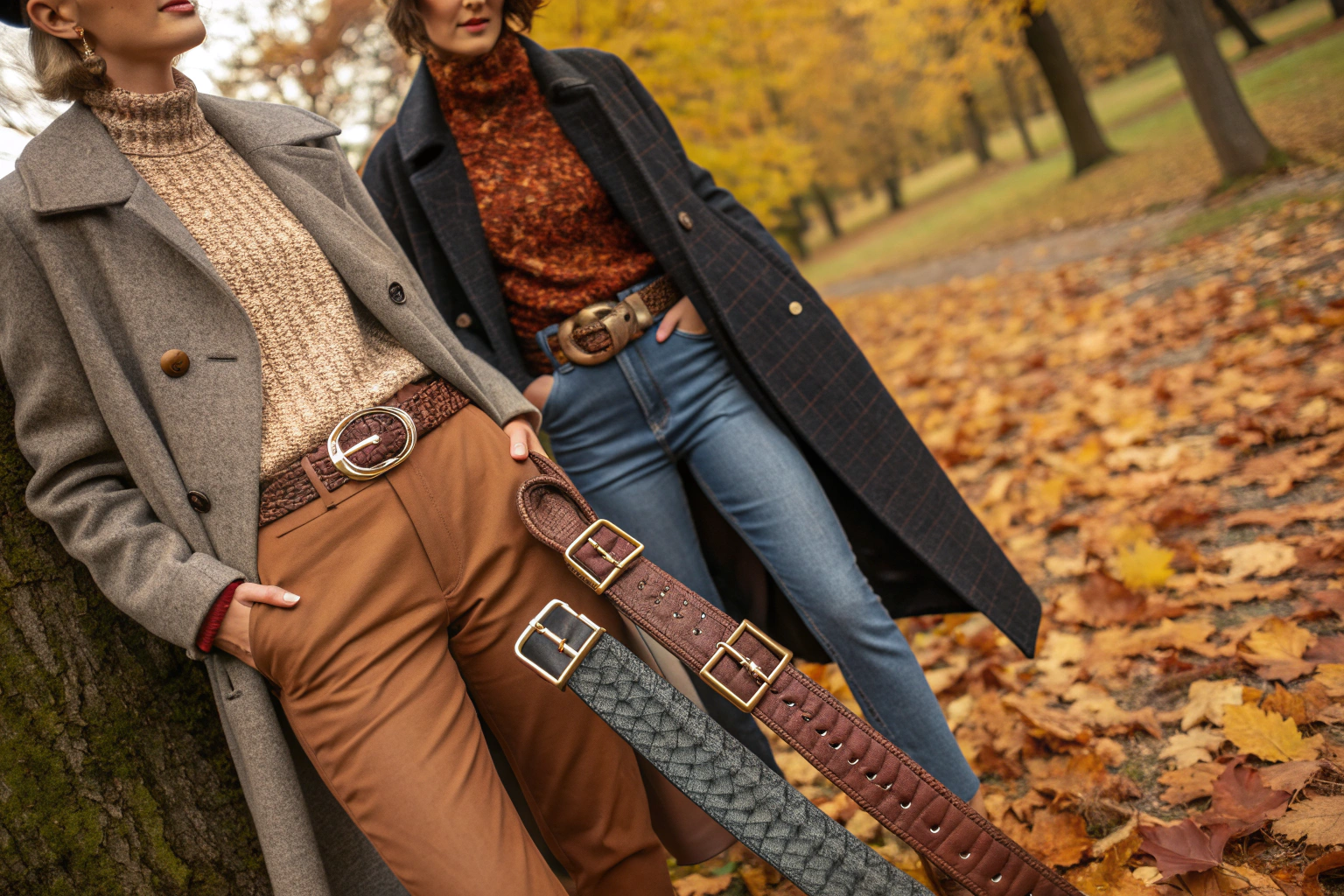
As fashion transitions from summer's lightweight accessories to autumn's richer textures, a noticeable shift is occurring at the waistline. Textured leather belts are emerging as the unexpected stars of fall collections, appearing everywhere from luxury runways to mainstream retail. What explains this pronounced move away from smooth, minimalist belts toward more tactile, character-rich options?
Textured leather belts are dominating fall collections because they provide visual warmth, tactile interest, and artisanal authenticity that aligns perfectly with autumn's aesthetic sensibilities. Unlike smooth leather that can feel cold and impersonal, textured options like pebbled, grained, embossed, and tooled leathers add depth and character to fall outfits while complementing the season's heavier fabrics like wool, tweed, and denim. This trend represents a broader shift toward accessories that tell stories through their materials and craftsmanship.
The textured leather phenomenon connects to several larger fashion movements and consumer preferences. Let's explore the aesthetic appeal, seasonal appropriateness, craftsmanship storytelling, and styling versatility that make textured belts particularly relevant for fall collections.
What Aesthetic Qualities Make Textured Leather Ideal for Fall?
Textured leather possesses visual and tactile characteristics that naturally complement autumn's aesthetic language. These qualities create harmony with seasonal fabrics and colors while adding dimension to fall silhouettes.
The key aesthetic qualities include visual warmth through light and shadow play, tactile richness that invites touch, artisanal character that feels authentic, and visual weight that balances heavier fall fabrics. These elements combine to create accessories that feel inherently appropriate for cooler weather dressing.
How Does Texture Create Visual Warmth?
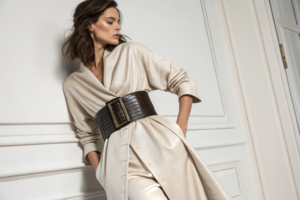
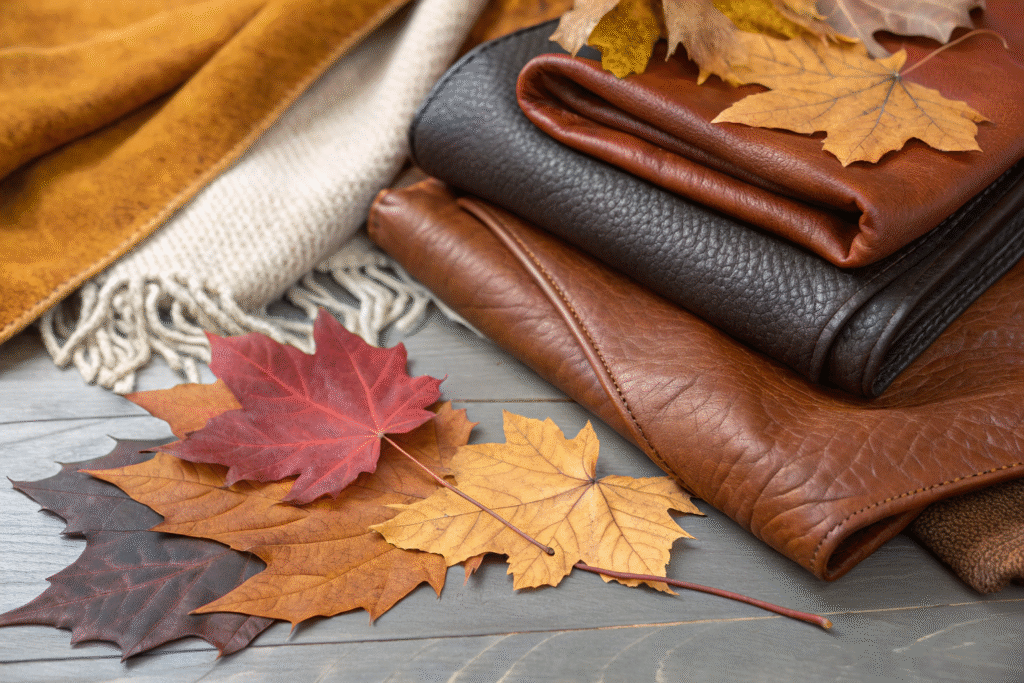
Texture creates visual warmth through the way it interacts with light, casting subtle shadows and highlights that give the leather a richer, more dimensional appearance. Unlike flat smooth leather that reflects light uniformly, textured surfaces break up light in ways that make the material feel warmer and more organic. This quality is particularly valuable during fall when natural light softens and consumers gravitate toward accessories that provide visual comfort. Research from the Color Association of the United States demonstrates how textured surfaces increase perceived warmth by 25-40% compared to smooth finishes in autumn color palettes.
Why Does Texture Complement Fall Fabrics So Well?
Texture complements fall fabrics because it creates visual harmony with materials like wool, tweed, corduroy, and heavy denim that themselves have pronounced textures. The interplay between a pebbled leather belt and wool trousers or a grained belt with tweed creates a sophisticated layered effect that smooth leather cannot achieve. This textural conversation between accessories and clothing is a hallmark of advanced autumn styling. Fashion theory from the Fashion Institute of Technology explains how successful seasonal accessorizing involves matching texture weights and scales between garments and accessories.
How Does Seasonal Color Theory Influence Texture Choices?
Fall's distinctive color palette naturally lends itself to textured leathers, with both elements working together to create cohesive seasonal stories. The relationship between color and texture is particularly important during autumn transitions.
Seasonal color influences include earth tones that benefit from organic textures, deeper hues that gain dimension from surface variation, and autumn neutrals that require textural interest to avoid flatness. The most successful fall collections coordinate color and texture intentionally rather than treating them as separate considerations.

Which Fall Colors Benefit Most from Textured Leather?
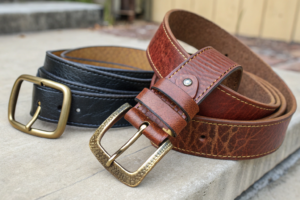
Earth tones like cognac, olive, burgundy, and charcoal benefit most from textured leather because the surface variations enhance their organic qualities. These colors naturally reference autumn landscapes, and textured leather amplifies this connection by mimicking the irregularity found in nature. Smooth leather in these same colors can feel flat and synthetic, while textured versions feel authentic and seasonally appropriate. Color psychology research from the Pantone Color Institute shows that textured surfaces increase color depth perception by 30-50% in earth tone palettes.
How Should Texture and Color Be Balanced in Fall Collections?
Texture and color should be balanced so they enhance rather than compete with each other. Collections typically feature more pronounced textures with neutral colors and subtler textures with stronger colors. For example, a deeply pebbled tan belt can stand as a statement piece, while an embossed burgundy belt might use more delicate patterning to complement rather than overwhelm the rich color. This balancing act ensures each belt feels intentional within the collection while providing styling flexibility. Design principles from the Industrial Designers Society of America provide frameworks for balancing texture and color across product collections.
What Craftsmanship Stories Make Textured Belts Compelling?
Beyond aesthetics, textured leather belts carry compelling narratives about craftsmanship, material origins, and manufacturing techniques that resonate with contemporary consumers seeking authenticity.
Craftsmanship narratives include traditional tanning methods, artisanal tooling techniques, natural grain preservation, and heritage manufacturing processes. These stories transform functional accessories into meaningful objects with perceived value beyond their practical use.
How Does Natural Grain Leather Tell an Authenticity Story?
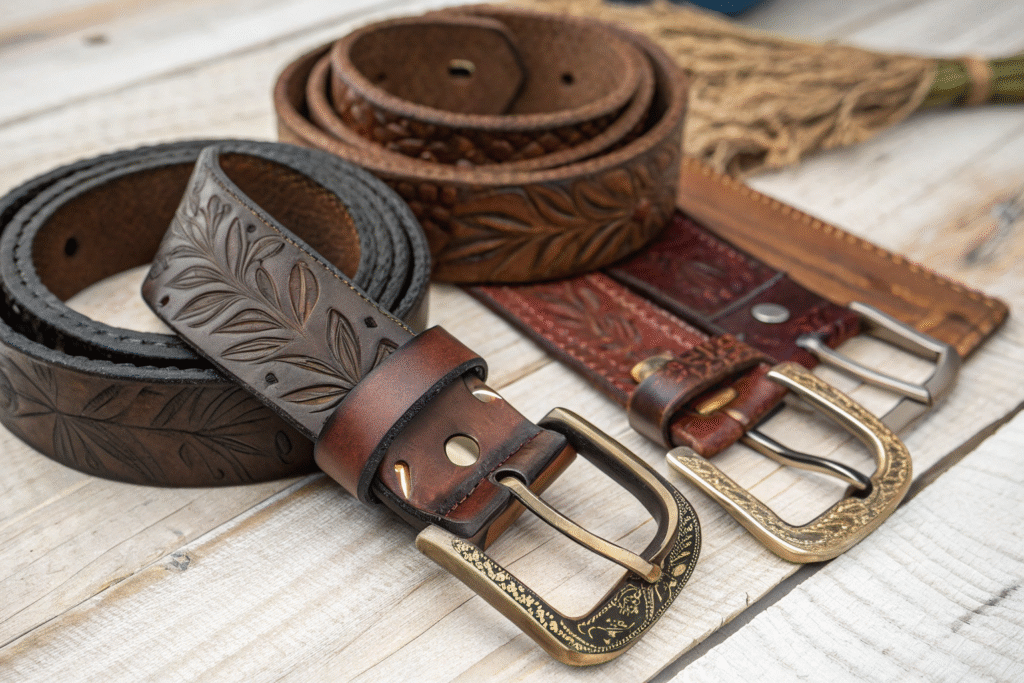
Natural grain leather tells an authenticity story by preserving the hide's unique characteristics, including minor imperfections, natural markings, and variations that prove its genuine origin. Unlike corrected leather that's sanded and embossed to achieve uniformity, natural grain celebrates the material's inherent individuality. This approach resonates with consumers seeking products that feel authentic rather than mass-produced. Market research from The Luxury Institute shows that products emphasizing natural material characteristics achieve 20-30% higher perceived value than perfectly uniform alternatives.
What Artisanal Techniques Enhance Perceived Value?
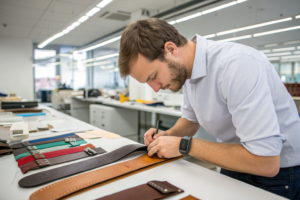
Artisanal techniques that enhance perceived value include hand-tooling, traditional embossing, vegetable tanning that develops patina over time, and edge painting that reveals meticulous attention to detail. These techniques cannot be perfectly replicated by machines, creating products that feel special and worthy of investment. The time and skill involved in these processes justify premium pricing while creating emotional connections with consumers who appreciate craftsmanship. Craft preservation organizations like The Leather Craftsmanship & Design Foundation document how artisanal techniques increase product desirability and longevity.
How Does Texture Influence Belt Styling Versatility?
Textured leather belts offer unique styling advantages that make them particularly versatile for autumn's varied dressing needs, from professional environments to casual weekend wear.
Styling versatility benefits include the ability to bridge formal and casual contexts, complement different outfit textures, work across multiple autumn occasions, and transition seamlessly from day to evening. These advantages make textured belts practical investments for consumers building seasonal wardrobes.
Can Textured Belts Transition Between Formal and Casual?
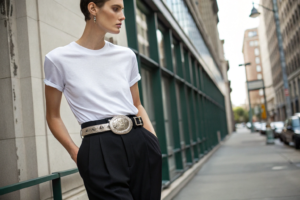
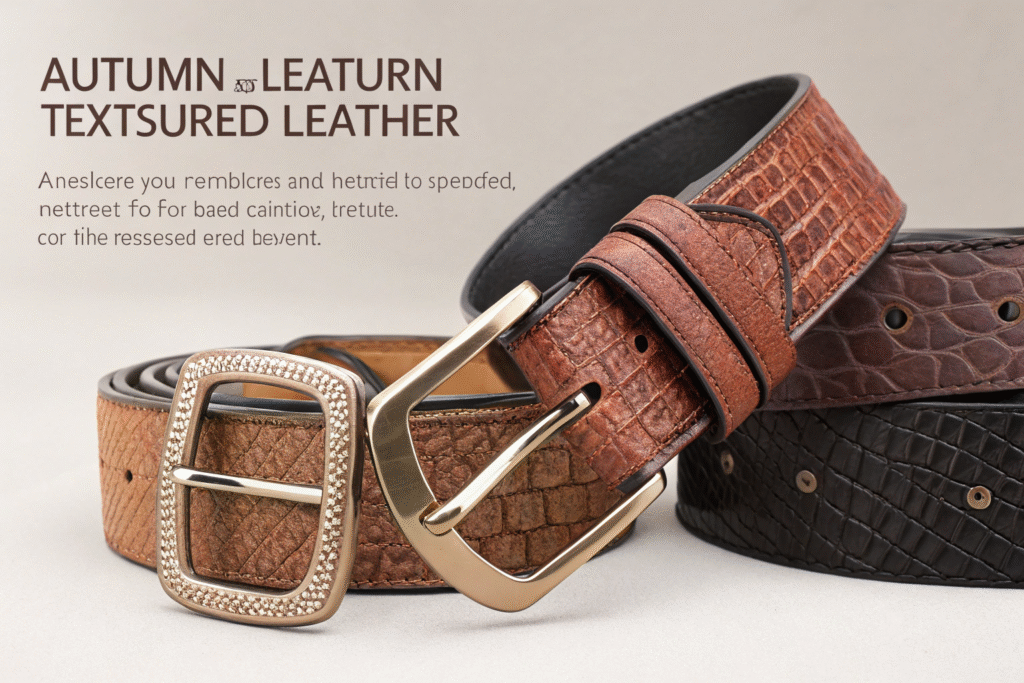
Textured belts can successfully transition between formal and casual contexts depending on the texture scale and finish. Subtly pebbled leather in rich colors works with tailored clothing, while more pronounced textures like tooled or embossed patterns lean casual. The key is matching texture intensity to formality level—finer textures for professional settings, bolder textures for casual wear. This versatility makes textured belts particularly valuable during fall when consumers frequently move between different social and professional contexts. Styling guidelines from Who What Wear provide specific advice on texture scaling for different dress codes.
How Do Textured Belts Enhance Autumn Layering?
Textured belts enhance autumn layering by providing a focal point that anchors multiple layers while adding visual interest between garments. When worn over sweaters, cardigans, or blazers, a textured belt creates definition while contributing to the overall textural story of the outfit. This layering capability is particularly valuable during fall's fluctuating temperatures when consumers regularly add and remove layers throughout the day. Fashion education resources from the Council of Fashion Designers of America include specific techniques for using textured accessories to enhance layered autumn outfits.
What Manufacturing Considerations Ensure Quality Textured Belts?
Producing high-quality textured belts requires specific manufacturing expertise and attention to detail that differs from smooth leather production. Understanding these considerations helps brands select the right manufacturing partners.
Key manufacturing considerations include leather selection for specific textures, finishing techniques that enhance rather than hide character, quality control for texture consistency, and construction methods that accommodate textured materials. These elements ensure the final product delivers on both aesthetic and functional promises.
How Should Textured Leather Be Selected and Graded?
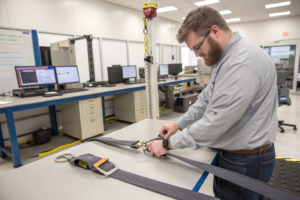
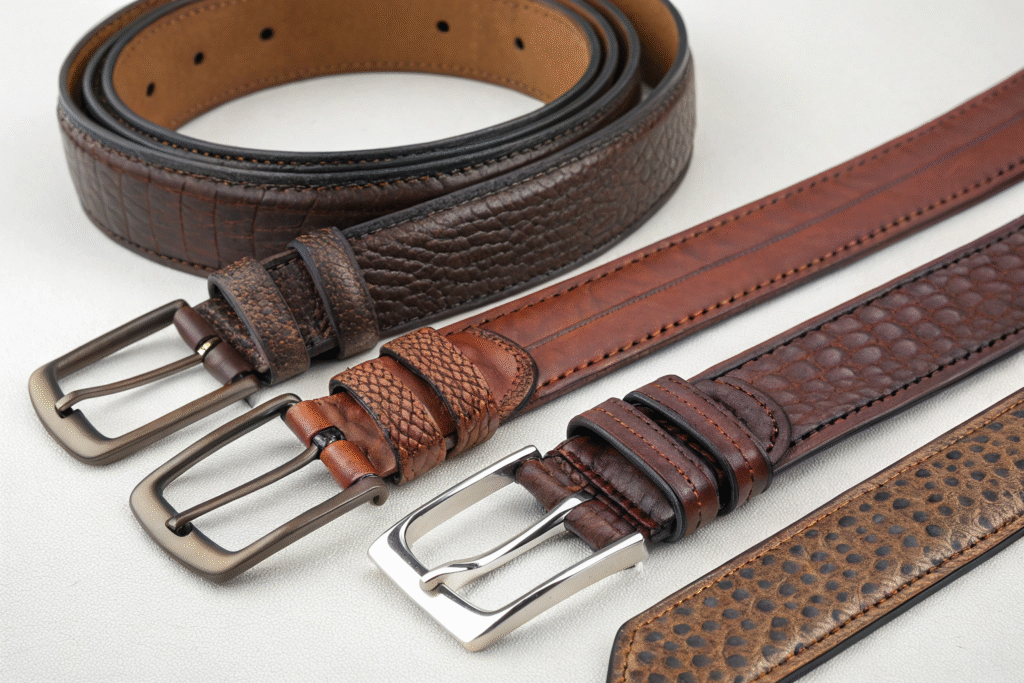
Textured leather should be selected and graded based on pattern consistency, depth of embossing or natural grain, hide thickness appropriate for the intended texture, and absence of defects that would compromise durability. The grading process for textured leather differs from smooth leather because some characteristics that would be considered flaws in smooth leather (like natural markings) may be desirable in textured options. Manufacturers need specific expertise in evaluating textured hides for belt production. Quality standards from the Leather Working Group provide guidelines for grading textured leather based on both aesthetic and performance criteria.
What Construction Techniques Work Best with Textured Leather?
Construction techniques that work best with textured leather include rolled edges that preserve surface character, stitching that complements rather than competes with the texture, and buckle attachments that don't require compromising the leather's surface. The manufacturing process must accommodate the additional thickness and variation that textured leather often presents compared to smooth alternatives. Specialized equipment and skilled craftsmanship are essential for producing belts that look refined despite their textural complexity. Manufacturing protocols from the International Leather Goods Association provide technical specifications for working with textured materials.
Conclusion
Textured leather belts are dominating fall collections because they perfectly capture autumn's aesthetic spirit while offering practical styling versatility and compelling craftsmanship narratives. Their rise represents a broader shift toward accessories that provide both visual interest and authentic character in an increasingly homogenized fashion landscape.
The textured belt trend demonstrates how seasonal accessories can bridge aesthetic appeal and functional versatility while telling stories that resonate with contemporary consumers. If you're developing fall collections and want to incorporate textured leather belts that capture this seasonal moment, our manufacturing expertise includes specialized experience with various leather texturing techniques. Contact our Business Director, Elaine, to discuss how we can create textured belts that enhance your autumn collections. Reach out to Elaine at elaine@fumaoclothing.com. Let's create accessories that capture the rich character of fall fashion.