Western wear enthusiasts and fashion observers are noticing a significant resurgence of vintage concho belts in contemporary styling. These distinctive accessories, once relegated to costume departments and vintage stores, are appearing on fashion runways, in celebrity wardrobes, and throughout Western-inspired collections.
Vintage concho belts are returning to Western wear because they offer authentic heritage connection, artisan craftsmanship in a mass-production era, versatile styling that bridges casual and formal wear, and sustainable fashion appeal through their longevity and reparability. This revival represents a conscious rejection of disposable fast fashion in favor of meaningful accessories with historical resonance and enduring quality.
The concho belt's return reflects broader cultural shifts toward authenticity, craftsmanship appreciation, and sustainable consumption. Understanding why these specific accessories are experiencing renewed popularity reveals much about contemporary fashion values and Western wear's evolving role in mainstream style.
What Cultural Nostalgia Drives the Concho Belt Revival?
The current concho belt revival taps into powerful cultural nostalgia for perceived simpler times and authentic craftsmanship. In an increasingly digital and mass-produced world, these handcrafted accessories represent tangible connections to heritage and tradition.
This nostalgia encompasses appreciation for artisanal metalwork, romanticized Western mythology, connection to specific regional identities, and longing for pre-fast fashion quality. Each aspect contributes to why concho belts feel particularly relevant in contemporary fashion landscapes.
How Does Western Mythology Influence Modern Appeal?
The concho belt revival draws heavily on romanticized Western narratives that have experienced renewed popularity through television series like Yellowstone and 1883. These productions have reintroduced Western aesthetics to mainstream audiences, creating what fashion historians call "period piece influence" where historical costuming sparks contemporary trend adoption. The concho belt specifically represents what cultural critics term "authenticity signaling" - wearing items that suggest genuine connection to values rather than superficial trend-following. This mythology resonates particularly in post-pandemic fashion where consumers seek clothing with emotional resonance and storytelling potential.
What Regional Identity Factors Contribute to Popularity?
Concho belts carry strong regional associations with Southwestern style, particularly Navajo and Santa Fe artistic traditions. As demographic shifts bring more attention to Sun Belt states and their cultural aesthetics, these regional styles gain wider influence. The belts function as what anthropologists call "material identity markers" - objects that communicate affiliation with specific places or cultures. This regional connection appeals to both those with genuine ties to these areas and those who aspirationally identify with their associated lifestyles. The current popularity represents the latest wave in Southwestern fashion's periodic mainstream moments.
What Artisan Craftsmanship Distinguishes Quality Concho Belts?
The concho belt revival coincides with growing consumer appreciation for genuine craftsmanship in an era of mass production. Quality vintage concho belts represent specific artisan techniques that cannot be easily replicated by industrial manufacturing.
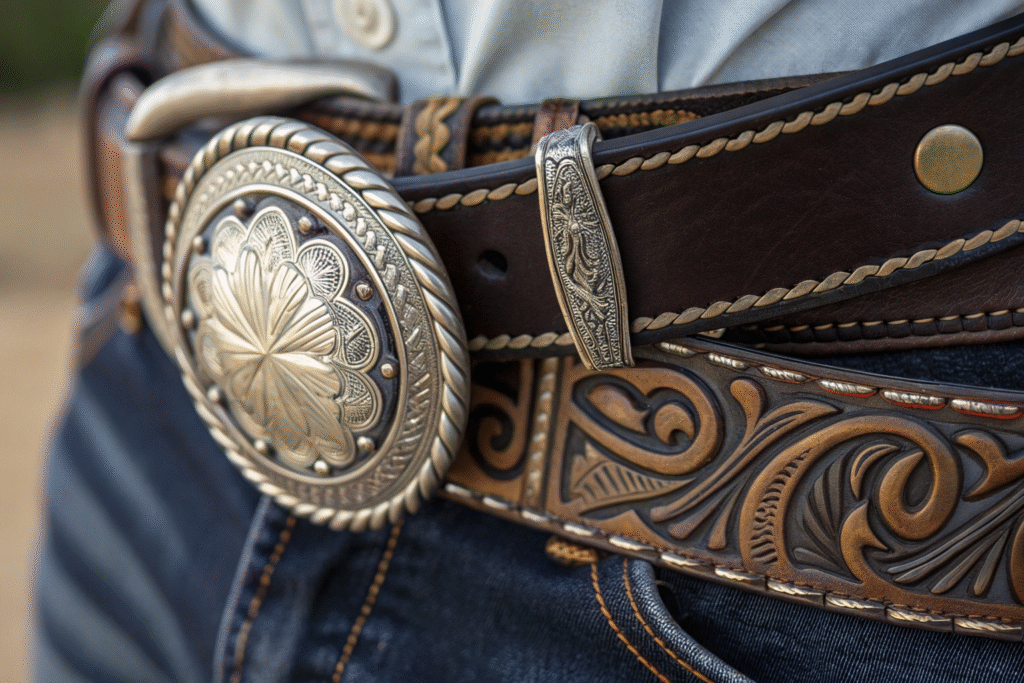
Distinguishing craftsmanship elements include hand-stamped decorative patterns, custom-formed concho shapes, traditional silver alloy compositions, and period-appropriate construction methods. Each characteristic contributes to the aesthetic and material quality that defines desirable vintage pieces.
What Metalworking Techniques Define Authentic Pieces?
Genuine vintage concho belts typically feature hand-stamped patterns created using traditional tools like punches and stamps rather than machine-made uniformity. The silver alloy composition often follows historical formulas with higher copper content that develop distinctive patinas. Quality pieces demonstrate what jewelers call "evidence of the hand" - slight imperfections and variations that confirm human craftsmanship rather than factory production. These techniques align with the slow fashion movement's emphasis on visible artisan process.
How Can Buyers Identify Quality Construction?
Superior vintage concho belts feature substantial weight indicating proper metal thickness, secure leather attachment without weak points, and consistent concho spacing that reflects thoughtful design. The leather straps typically show what collectors term "honest wear" - natural aging that enhances character without compromising structure. These construction qualities separate investment-worthy vintage pieces from costume jewelry reproductions. The current market shows particular demand for 1970s-era concho belts that balance vintage authenticity with relatively modern construction techniques.
How Are Contemporary Stylists Reimagining Concho Belts?
The current concho belt revival isn't merely nostalgic reproduction - contemporary stylists are recontextualizing these vintage accessories in ways that feel fresh and relevant to modern fashion sensibilities.
Modern styling approaches include pairing concho belts with minimalist clothing to highlight their decorative quality, mixing them with contemporary luxury pieces for contrast, incorporating them into gender-fluid styling, and using them as statement pieces in otherwise simple outfits. Each approach updates the concho belt's traditional Western associations.

What Unexpected Pairings Create Modern Relevance?
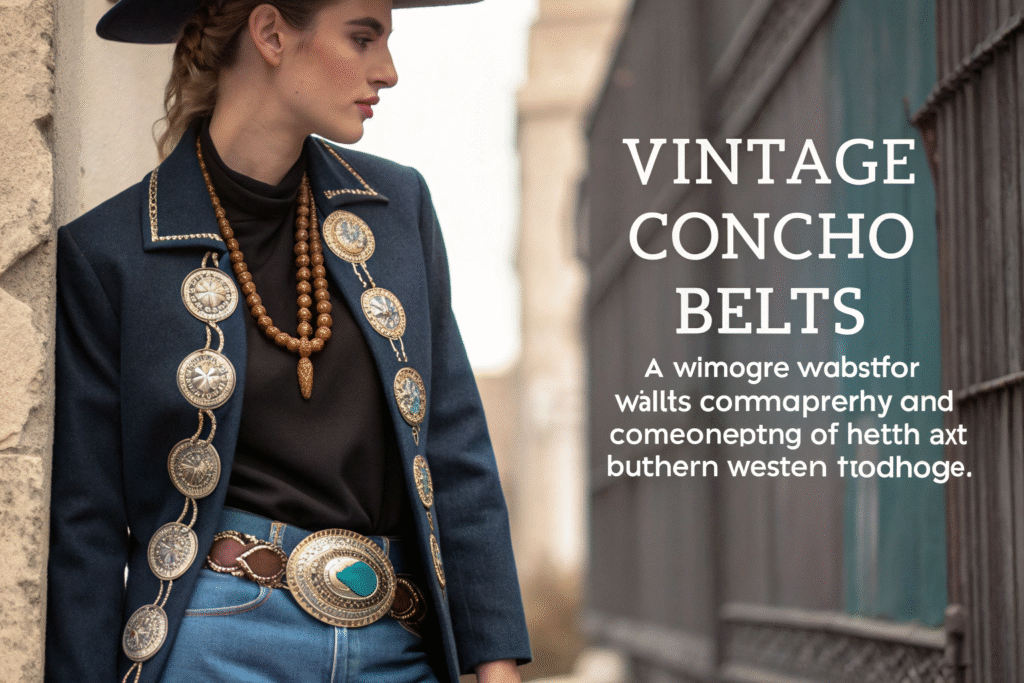
Fashion influencers are successfully pairing concho belts with tailored blazers and structured dresses, creating what stylists call "high-low juxtaposition" between casual Western elements and formal silhouettes. The contrast between rustic conchos and sleek modern fabrics creates visual tension that feels contemporary rather than costume-like. This approach aligns with the current fashion preference for personal style over rigid categorization. The most successful styling treats concho belts as sculptural elements rather than regional artifacts.
How Does Gender-Fluid Styling Expand Their Appeal?
Contemporary fashion's move toward gender fluidity has opened new styling possibilities for concho belts beyond their traditional masculine Western associations. Style innovators are wearing concho belts over dresses, with wide-leg trousers, and as hip accents rather than just waist definition. This expanded application reflects what fashion theorists term "accessory liberation" - the decoupling of specific accessories from gendered expectations. The concho belt's substantial presence works particularly well within the archival silhouette trend favoring pronounced accessories.
What Sustainable Fashion Principles Support This Revival?
The concho belt revival aligns perfectly with sustainable fashion principles that have gained significant consumer traction in recent years. These vintage accessories embody multiple aspects of conscious consumption and environmental responsibility.
Sustainable advantages include their longevity through durable materials, reparability when components wear, timeless styling that transcends seasonal trends, and existing nature that requires no new resource extraction. Each characteristic addresses specific concerns within fashion's sustainability conversation.

How Does Longevity Combat Fast Fashion Waste?
Quality vintage concho belts represent what sustainability advocates term "permanent fashion" - items designed to last generations rather than seasons. Their solid silver construction and thick leather ensure what product designers call "positive aging" where wear enhances rather than diminishes appeal. This longevity directly counters the environmental impact of fast fashion accessories that quickly become landfill waste. The concho belt's durability supports the increasingly popular "buy once, buy well" philosophy.
What Repair and Restoration Possibilities Extend Lifespan?
Unlike many contemporary accessories designed for disposal, concho belts can be professionally restored when leather wears or silver tarnishes. This reparability aligns with the circular economy principles gaining traction throughout fashion. Many vintage concho belts show evidence of previous repairs - what conservationists call "honorable scars" that testify to continued use across generations. This restore-rather-than-replace approach significantly reduces the carbon footprint per wear compared to frequently replaced fast fashion accessories.
Conclusion
The return of vintage concho belts to Western wear represents a convergence of cultural nostalgia, artisan craftsmanship appreciation, contemporary styling innovation, and sustainable fashion principles. These accessories satisfy modern consumers' desire for authenticity, quality, and environmental responsibility while providing distinctive style that stands apart from mass-produced fashion. As Western influences continue permeating mainstream style, concho belts offer both aesthetic appeal and ethical satisfaction - a combination increasingly valued in today's fashion landscape.
If you're interested in incorporating vintage concho belts into your Western wear collection, contact our Business Director, Elaine. Our expertise in heritage accessories can help you source or develop concho belts that balance authentic craftsmanship with contemporary relevance. Reach her at elaine@fumaoclothing.com to discuss your concho belt options.