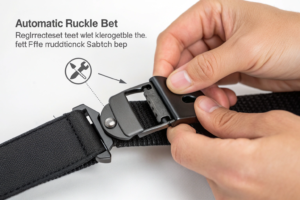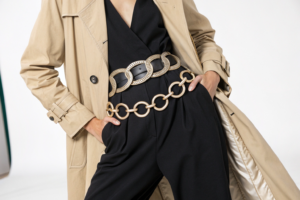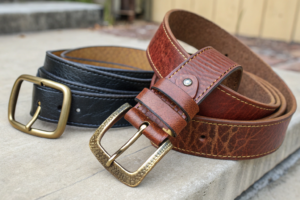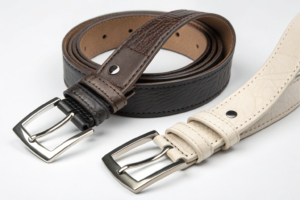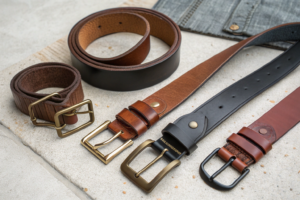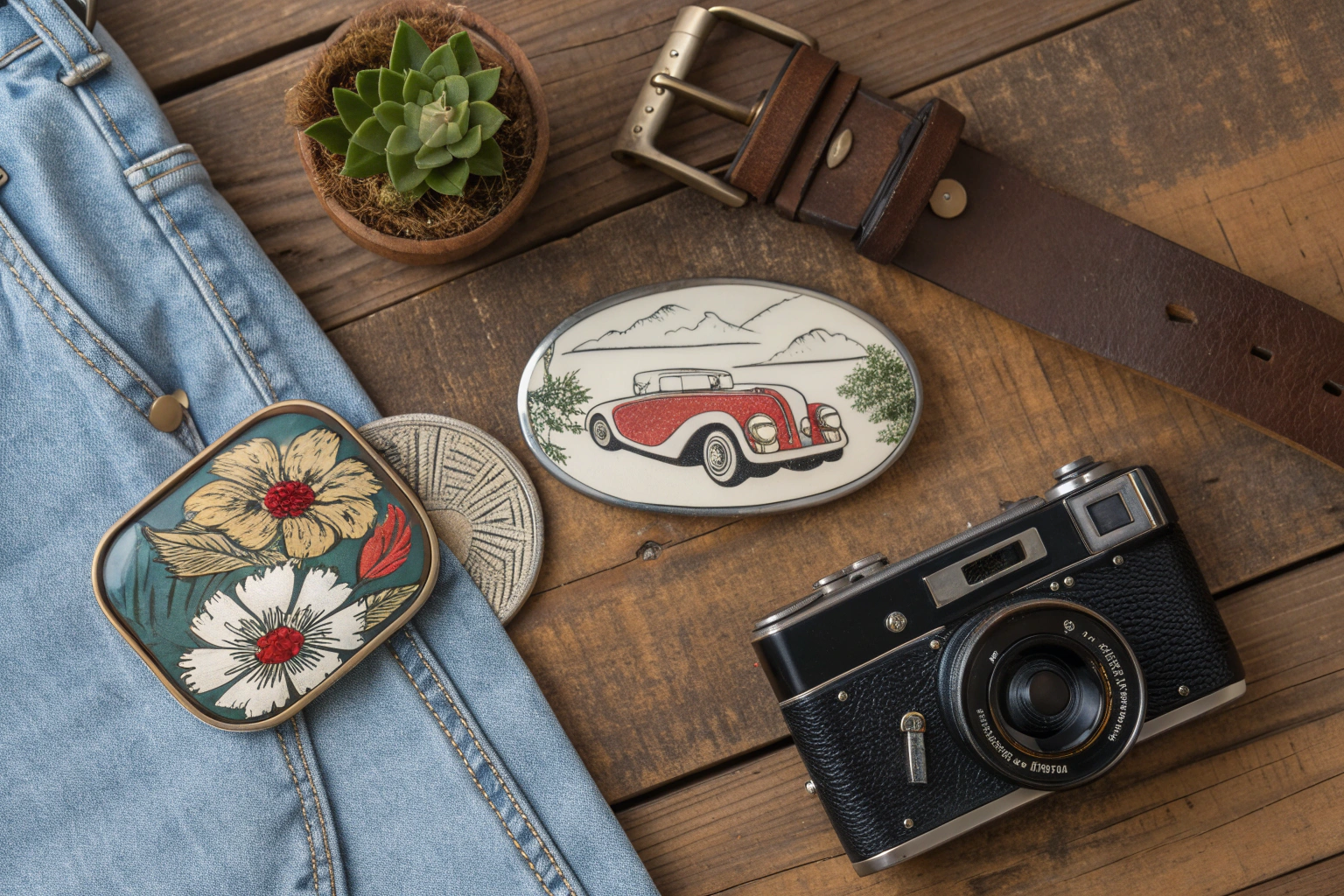
In a world saturated with mass-produced, minimalist accessories, a distinct and colorful trend is re-emerging to capture the hearts of consumers: vintage enamel belt buckles. These aren't the sleek, automatic clasps of modern business attire; they are the bold, illustrative, and often handcrafted centerpieces that defined decades past. For buyers, importers, and fashion brands, this resurgence is more than a nostalgic blip—it's a powerful movement driven by a desire for authenticity, personal storytelling, and sustainable fashion. Understanding this revival is key to tapping into a market that values character over conformity.
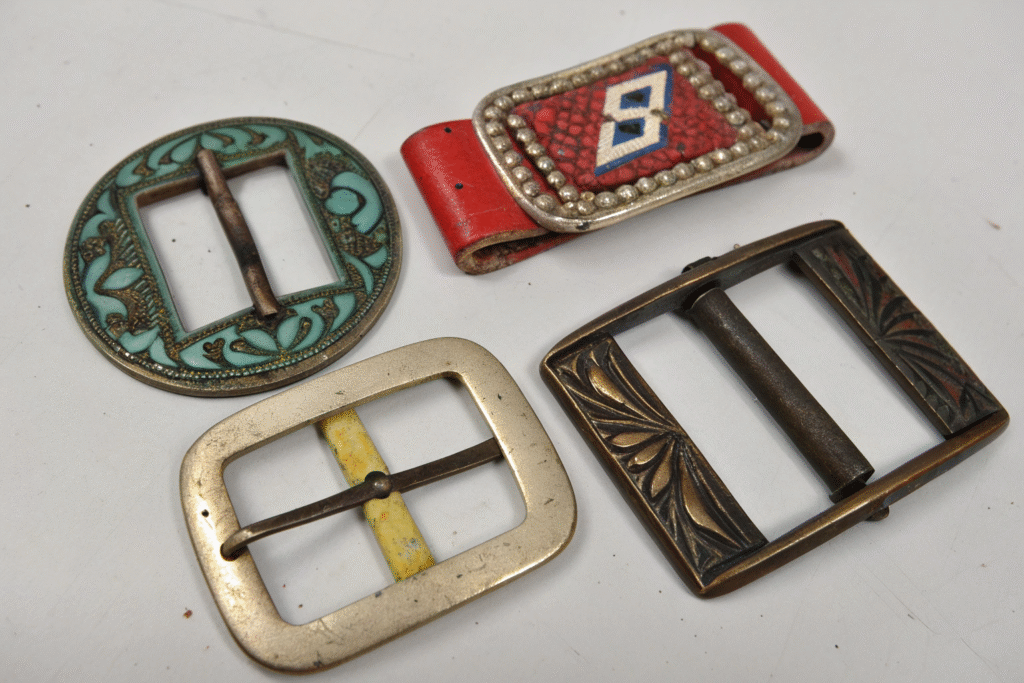
Vintage enamel belt buckles are making a comeback because they satisfy the modern consumer's craving for unique, expressive, and sustainably-minded accessories. They offer a tangible connection to craftsmanship and eras past (like the 1970s, 80s, and 90s), serving as wearable art that tells a personal story. In an age of digital anonymity, these physical, collectible objects provide a sense of identity and individuality that fast fashion cannot replicate. They are central to the "grandmillennial," "cottagecore," and "normcore" aesthetics that celebrate curated nostalgia.
This trend represents a convergence of fashion, collectible culture, and conscious consumption. It's a move away from disposable accessories toward pieces with perceived heritage and soul. Let’s explore the cultural, aesthetic, and commercial forces powering this revival.
What cultural shifts are driving the nostalgia for vintage accessories?
The return of vintage enamel buckles is not happening in a vacuum. It is deeply intertwined with broader cultural currents that are reshaping consumer behavior, particularly among Millennials and Gen Z. These generations are using fashion as a tool to navigate a complex, digital-present world by referencing a perceived simpler past.
Key cultural shifts include a reaction against the homogeny of algorithm-driven fast fashion, a growing emphasis on sustainability and circular fashion (where vintage is the ultimate "reuse"), and a digital fatigue that fuels a desire for tangible, tactile objects with history. The rise of "de-influencing" and personal style over trends has also created space for unique statement pieces. Platforms like TikTok and Instagram have become digital curio cabinets, where users showcase their "thrifted" finds and heritage pieces, making vintage culturally viral.
Enamel buckles, often found in flea markets, inherited from family, or sourced from small online vintage dealers, perfectly embody this shift. They are anti-algorithmic—each one is different, each has a potential story.
How does the "slow fashion" movement intersect with vintage trends?
The slow fashion movement is a direct response to the environmental and ethical downsides of fast fashion. It champions quality, longevity, and mindful consumption. Vintage items are the epitome of slow fashion; they have already stood the test of time.
A vintage enamel buckle is inherently sustainable. By repurposing or reusing an existing item, it requires no new resources for production and diverts waste from landfills. For brands, incorporating or reissuing vintage-inspired designs taps into this conscious consumer mindset. It allows them to market a product not just as a fashion belt, but as a choice aligned with values. This is a powerful narrative for brands selling in markets like Europe and North America, where sustainability scrutiny is high. It transforms a belt from a simple accessory into a conversation piece about responsible consumption.
Why are Gen Z consumers embracing "grandparent core" aesthetics?
"Grandparent core" or "grandmillennial" style celebrates the decorative, cozy, and often whimsical design sensibilities associated with older generations. For Gen Z, this isn't about dressing "old"; it's about reclaiming and re-contextualizing elements perceived as authentically uncool by previous youth cultures.
A chunky, floral enamel buckle on a canvas belt or woven belt is a quintessential grandparent-core item. It references a pre-digital era of craftsmanship and personal hobbies. Wearing it is an act of irony-free appreciation and a way to craft an individual identity outside of corporate trend cycles. For buyers sourcing for this demographic, understanding this emotional and aesthetic driver—the search for authenticity and warmth—is more important than analyzing color forecasts alone.
What makes the craftsmanship of vintage enamel unique?
The allure of vintage enamel buckles isn't just in their imagery; it's in the tangible quality of their construction. Modern mass-produced buckles often use cheap printed decals or thin plating. Vintage pieces, especially from mid-century periods, frequently exhibit a level of craftsmanship that is rare and valued today.
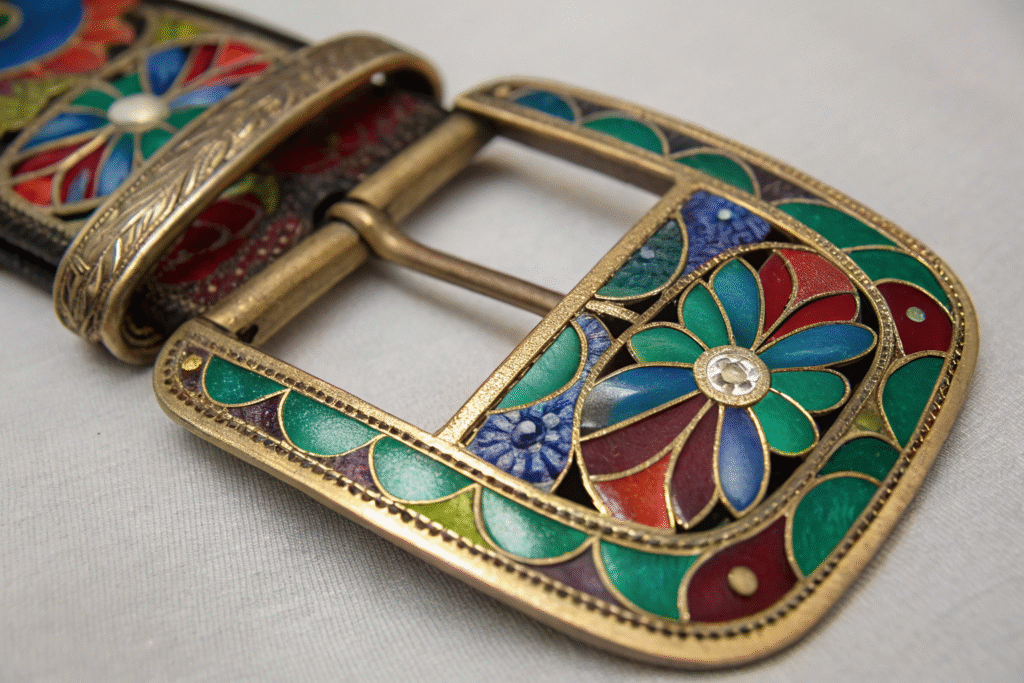
Vintage enamel craftsmanship is unique due to the cloisonné or champlevé techniques often used, where thin metal wires create compartments (cloisonné) or areas are etched out of the metal base (champlevé) to be filled with powdered glass enamel, then fired at high temperatures. This creates a vibrant, glossy, and durable surface that is fused to the metal. The colors are deeply saturated, and the designs have a slight dimensional quality. The metal backings are often substantial brass or pewter, giving the buckle a satisfying weight and feel.
This tactile, high-quality experience stands in stark contrast to many contemporary accessories. It delivers a sense of value and permanence that consumers are actively seeking.
How do cloisonné and champlevé techniques differ from modern printing?
Understanding this difference is key for buyers who may encounter both true vintage and modern reproductions.
- Cloisonné & Champlevé: These are additive, physical processes. The enamel is a separate material laid into the metal frame. The result is a smooth but slightly raised surface you can feel. The colors are embedded under a glassy surface, making them extremely scratch-resistant and fade-resistant. Light reflects within the enamel, giving it a characteristic depth.
- Modern Pad/UV Printing: This is a surface-level, graphic process. Ink is printed onto a metal plate and then coated with a clear resin or lacquer for protection. It can be very detailed but lacks physical depth. The coating can chip or yellow over time, and the colors often lack the luminous quality of fired glass enamel.
For a brand, offering true enamel (even if newly made using traditional techniques) becomes a strong quality and marketing differentiator. It speaks to a commitment to craft that resonates with the same consumers driving the vintage revival.
Why is the weight and material of the metal base important?
The metal base—typically brass, bronze, or pewter in quality vintage pieces—contributes significantly to the perceived value. A heavy, solid buckle feels substantial and expensive on the waist. It drapes the belt better and doesn't pull or flip like a lightweight, cheap alloy buckle might.
Furthermore, these metals take patina beautifully over time, adding to the buckle's unique story. A modern replica made from zinc alloy with a thin gold plating will feel light, may tarnish unattractively, and the plating will wear off quickly. For consumers investing in a "forever piece," the integrity of the base metal is as important as the enamel design. Sourcing from a manufacturer that understands and uses these appropriate materials is crucial for product credibility.
How can brands ethically source or reproduce vintage designs?
For commercial brands, capitalizing on this trend presents a challenge: how to offer the vintage aesthetic at scale without exploiting the very authenticity that makes it desirable. The path forward requires a thoughtful approach to design inspiration, material sourcing, and production ethics.
Brands can ethically engage with vintage trends by: 1) Legally licensing designs from vintage archives or artists' estates. 2) Creating original designs that are inspired by vintage aesthetics without directly copying, thus adding new creativity to the canon. 3) Partnering with modern artisans who use traditional enamel techniques, supporting small-scale craft. 4) Offering a "buy-back" or "refresh" program for their own products, fostering a circular model. The key is transparency—being clear about whether a buckle is a genuine vintage find, a faithful reproduction, or a contemporary design with a vintage feel.
This ethical approach builds long-term brand trust and aligns with the values of the core consumer for this trend.

What are the legal considerations when referencing vintage patterns?
Intellectual property is a minefield in vintage-inspired design. While many original patterns may be out of copyright, specific, recognizable characters (like Disney or cartoon figures) or logos are not. Merely finding an image online does not grant the right to reproduce it.
Best practices include:
- Using Public Domain Resources: Sourcing inspiration from documented art movements where copyrights have expired (e.g., Art Nouveau, certain Mid-Century Modern illustrations).
- Creating Original Artwork: Hiring an illustrator to create new designs in a vintage style.
- Obtaining Licenses: If a specific vintage brand's imagery (like a 1970s airline logo) is desired, researching and obtaining the proper license is mandatory.
A responsible manufacturer will have experience navigating these issues and can advise on the feasibility of design concepts, protecting you from costly legal disputes. This is part of providing professional and reliable service.
Is it sustainable to produce new enamel buckles with old techniques?
This is a nuanced question. Traditional enameling is energy-intensive due to the high-temperature firing process. However, its sustainability argument lies in durability and longevity. A well-made enamel buckle, by its very nature, is designed to last for decades, not seasons.
The sustainable approach for production involves:
- Sourcing Metals Responsibly: Using recycled brass or tin.
- Efficient Kiln Use: Firing multiple pieces in batches to maximize energy use.
- Non-Toxic Enamels: Ensuring modern, lead-free enamel powders are used.
- Transparent Communication: Clearly marketing the product's durability and repairability (chips in true enamel can sometimes be professionally refilled).
When sourced from a factory that prioritizes these practices, a new enamel buckle can be a responsible heirloom-quality purchase, aligning with the slow fashion principles that sparked the vintage revival in the first place.
What marketing strategies work best for vintage-style products?
Selling a vintage-inspired product requires a marketing strategy that tells a story and builds a world, not just listing features. The marketing must evoke the same emotions that drive the trend: nostalgia, discovery, and individuality.
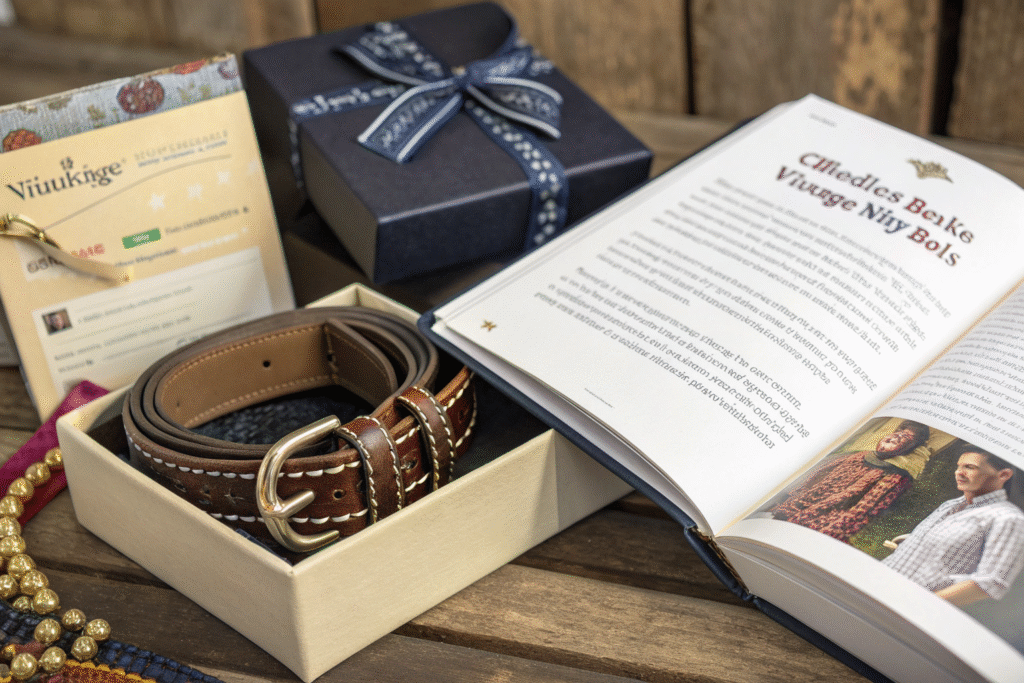
Effective marketing strategies for vintage-style belts include: storytelling content that explores the design inspiration or craft technique; user-generated content campaigns encouraging customers to share their unique styling; collaboration with vintage curators or historians on social media; packaging that feels like "unboxing a found treasure"; and selling through channels that align with the aesthetic, such as curated marketplaces, boutique shops, or at vintage and craft fairs.
The goal is to make the customer feel they are acquiring a piece of a story, not just a product. This builds an emotional connection that fosters loyalty and word-of-mouth promotion.
How to leverage social media platforms like Instagram and TikTok?
These visual and narrative platforms are ideal for vintage-style products.
- Instagram: Use high-quality, stylized photography that creates a mood board aesthetic. Reels can show the crafting process, close-ups of the enamel detail, or "styled three ways" videos. Collaborations with micro-influencers who have a curated, authentic vintage or craft-focused feed are highly effective.
- TikTok: Leverage trends like #thriftflip, #cottagecore, or #granny-chic. Short videos can showcase the "satisfying" click of the buckle, the weight of the piece, or before-and-after transformations of an outfit with the belt. TikTok's strength is in showing the product in a dynamic, personal context, making it feel accessible and desirable.
Content should always focus on the story and the feeling. How does this buckle make you feel? Romantic? Nostalgic? Boldly individual? That emotional hook is the key to conversion.
Why does community-building drive sales for nostalgic items?
Nostalgic items thrive on shared experience and identity. Building a community around your brand turns customers into collectors and advocates. This can be done through:
- Hashtag Campaigns: Creating a unique hashtag for customers to share their photos.
- Collector's Clubs: Offering limited-edition buckle designs or early access to loyal customers.
- Engaging with Stories: Reposting customer photos and the personal stories they attach to their buckle (e.g., "This reminds me of my grandfather's car").
When people buy a vintage-style item, they are often buying into an identity—the "vintage lover," the "craft enthusiast." Fostering a community validates that identity and creates powerful peer-to-peer marketing, which is far more credible than any traditional advertisement.
Conclusion
The comeback of vintage enamel belt buckles is a multifaceted phenomenon rooted in a cultural pivot towards authenticity, sustainability, and personal expression. It is a rejection of soulless mass production in favor of craftsmanship, story, and individuality. For brands and buyers, this trend offers a significant opportunity to connect with consumers on a deeper level, but it demands a respectful and ethical approach. Success lies not in mere replication, but in understanding the values behind the aesthetic—quality, heritage, and conscious consumption.
Whether you are looking to source authentic vintage buckles for resale, develop a line of high-quality reproductions, or create original designs inspired by the past, partnering with a manufacturer that grasps this nuance is essential. We combine our expertise in belt manufacturing with a deep appreciation for craftsmanship and trend intelligence. To explore how you can authentically engage with this timeless trend, contact our Business Director, Elaine, at elaine@fumaoclothing.com. Let's craft accessories with a story to tell.