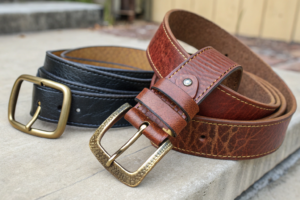
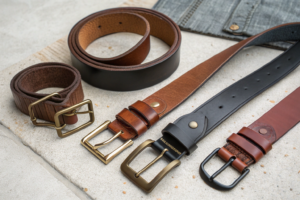
In an era dominated by minimalist hardware and sleek, modern finishes, a distinct shift is occurring. A growing number of discerning consumers and fashion-forward brands are turning away from the anonymous and embracing the storied, seeking out belts adorned with vintage silver belt tips—those ornate, hand-engraved, often tarnished metal ends that speak of another time. But why this sudden resurgence for a detail that was once considered antiquated? This revival is not mere nostalgia; it's a deliberate reaction against mass-produced uniformity, a celebration of artisanal heritage, and a key component in the powerful aesthetic of "quiet luxury" and personalized style.
Vintage silver belt tips are resurging because they serve as tangible anchors of authenticity and craftsmanship in a digital, disposable age; they act as the hero detail in minimalist "quiet luxury" outfits, adding depth and narrative; and they satisfy the modern consumer's desire for unique, personalized accessories with a sense of history and soul that cannot be replicated by machine-stamped modern hardware.
For belt manufacturers and fashion brands, this trend represents a significant opportunity to blend traditional silversmithing techniques with contemporary design, creating products that carry emotional weight and command a premium. Let's explore the cultural and commercial forces driving this silver-tipped renaissance.
What Defines a "Vintage" Silver Belt Tip?
Before understanding the "why," we must define the "what." The term "vintage" here refers not just to age, but to a specific aesthetic and method of creation. These are not simply old pieces; they are designed to evoke a sense of history, whether they are genuine antiques, reclaimed pieces, or newly made using traditional techniques.
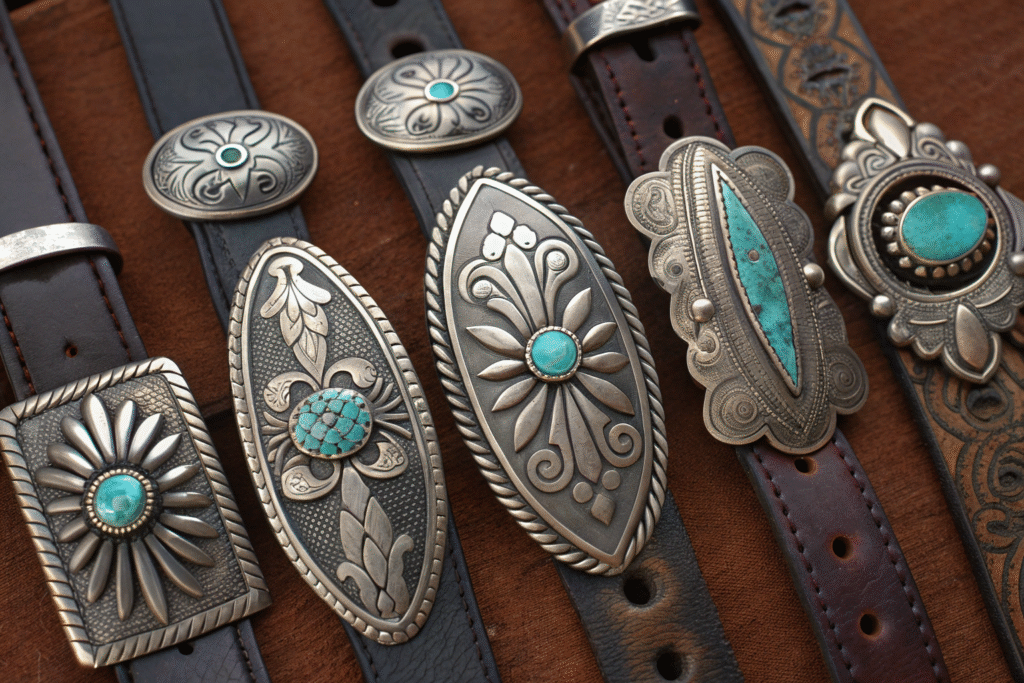
A "vintage" silver belt tip is characterized by handcrafted details like engraving, repoussé (hammered relief), or filigree; the use of solid sterling silver (.925) or nickel silver, often showing a natural or induced patina (tarnish); ornate, period-specific designs (Victorian, Art Nouveau, Art Deco, Americana); and frequently, small imperfections or a worn softness that testify to handwork and age. They are the antithesis of the thin, laser-cut, polished chrome buckle.
How Do Craftsmanship Techniques Create the Vintage Appeal?
The appeal is rooted in human touch. Techniques that define these pieces include:
- Hand Engraving: Using sharp gravers to cut designs directly into the metal. Each line has slight variations in depth and width, impossible to achieve perfectly with laser engraving.
- Repoussé and Chasing: Forming dimensional designs by hammering the metal from the front and back. This creates a soft, organic relief.
- Casting from Vintage Masters: Using the lost-wax casting method with molds taken from antique pieces, preserving every detail of the original, including casting porosity.
- Applied Patina: Artificially aging the silver with sulfur compounds or allowing it to tarnish naturally, then selectively polishing the high points to create contrast. This highlights the texture and makes the piece look "lived-in."
These methods result in a one-of-a-kind artifact feeling, even in newly produced items. They connect the wearer to the slower, more deliberate processes of the past.
What Are the Common Historical Design Motifs?
The designs tell a story. Common inspirations include:
- Victorian & Art Nouveau: Flowing floral patterns, botanical themes, and curvilinear forms.
- Art Deco: Sharp geometric lines, sunbursts, and zigzag patterns.
- Western & Americana: Conchas, feather motifs, and sterling silver set with turquoise or other semi-precious stones.
- Heraldic & Military: Crests, shields, and symbolic iconography.
These motifs carry cultural and romantic connotations, allowing the wearer to align with a particular aesthetic narrative, be it bohemian, rugged, or aristocratic.
What Cultural Trends Are Fueling the Resurgence?
The return of vintage silver tips is not happening in a vacuum. It is a direct reflection of several powerful, overlapping cultural movements that are reshaping consumer preferences across fashion, design, and lifestyle. These trends value substance, story, and individuality over flashy logos and seasonal fads.
Key cultural drivers include: the rise of "quiet luxury" and the "old money" aesthetic, which prizes heritage and quality over logos; the craftsman and maker movement, which celebrates visible artistry; a growing sustainability mindset that favors durable, timeless pieces over fast fashion; and the personalization trend, where accessories act as extensions of individual identity and curated taste.

How Does "Quiet Luxury" Embrace Vintage Details?
The "quiet luxury" or "stealth wealth" phenomenon is about signaling discernment through subtlety. It rejects loud branding in favor of impeccable materials, perfect fit, and telling details. A vintage silver tip is the epitome of this. It is a detail that requires knowledge to appreciate—an understanding of craftsmanship, materials, and design history. It communicates that the wearer invests in pieces with narrative and permanence, not seasonal trends. On a simple, expensive leather belt, the vintage tip becomes the signature, the only necessary "decoration."
Why Does the Sustainability Narrative Align with Vintage?
In an age of climate anxiety and fast-fashion backlash, consumers are drawn to items with longevity. A vintage-inspired silver tip, especially if made from recycled sterling silver, embodies this. It is designed to last for decades, acquiring a richer patina over time. It represents the antithesis of disposable culture. Furthermore, using reclaimed vintage tips or upcycled silver has a strong sustainable story, appealing to consumers who practice conscious consumption. The belt becomes a "buy-it-for-life" item, reducing the need for repeated purchases.
What is the Value Proposition for Brands and Consumers?
For both the brands that sell them and the consumers who wear them, vintage silver tips deliver a compelling value proposition that transcends their material cost. They transform a functional item into an emotional and economic asset, creating a win-win scenario built on perceived value and authentic satisfaction.
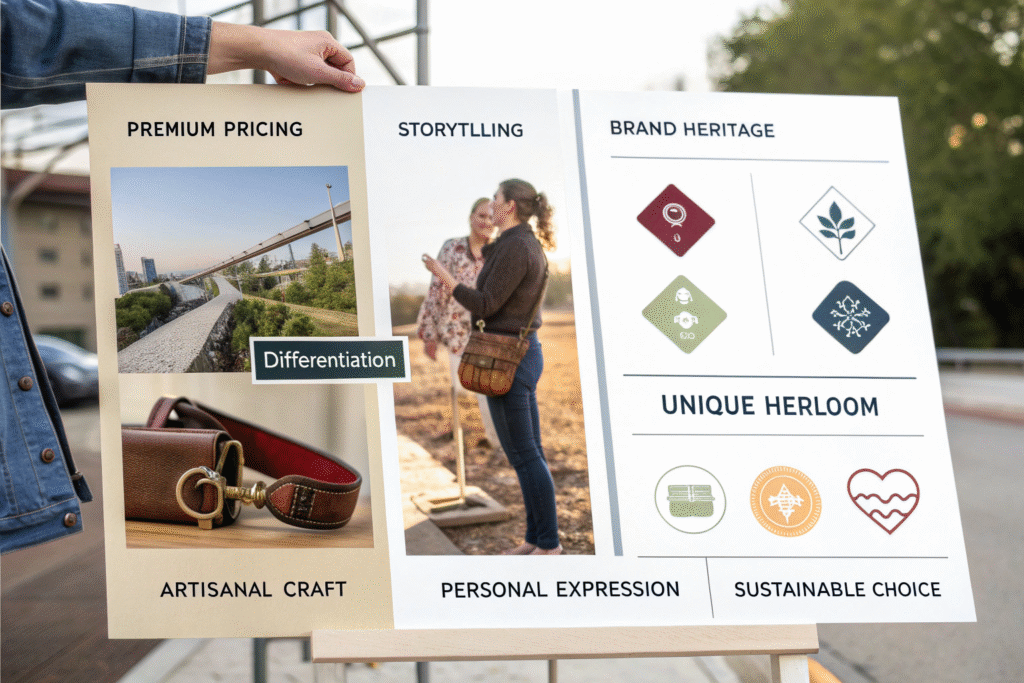
For brands, vintage tips enable significant price premium due to perceived artistry; create a powerful differentiating feature in a crowded market; provide rich brand storytelling material around heritage and craft; and foster customer loyalty through an emotional product connection. For consumers, they offer a unique, non-mass-produced accessory; a sense of personal connection to history and craft; an investment in durability; and a versatile tool for personal style expression.
How Can Brands Leverage This for Storytelling and Premium Positioning?
A brand can build an entire identity around this detail. The narrative can include:
- Sourcing Stories: "Our tips are cast from original 1920s Art Deco masters discovered in a Lisbon silversmith's archive."
- Artisan Partnerships: "Hand-engraved by third-generation silversmiths in Jaipur, India."
- Material Provenance: "Crafted from recycled sterling silver, refined and given new life."
This storytelling, effectively communicated through packaging, websites, and social media content, justifies a price point that can be 3-5x higher than a belt with a standard buckle. It positions the brand in the coveted space of "craft luxury."
What Emotional and Styling Value Does the Consumer Receive?
For the wearer, the value is deeply personal:
- The "Heirloom Effect": It feels like a piece that could be passed down, carrying its own story.
- Conversation Starter: Its uniqueness and beauty naturally draw comments and inquiries.
- Styling Versatility: It can dress up a simple jeans-and-tee outfit with instant character or add a layer of intriguing detail to tailored tailoring.
- Tactile Satisfaction: The weight of solid silver and the feel of the engraving under the fingers provide a daily sensory pleasure that cheap metal cannot match.
This transforms the act of getting dressed from routine to a small, meaningful ritual of self-expression.
How to Source Authentic Vintage-Inspired Silver Tips?
Sourcing true vintage silver tips or producing high-quality vintage-inspired ones is a specialized endeavor. It requires navigating a supply chain that bridges antique markets, artisan workshops, and precision casting houses. Success depends on finding partners with the right expertise and ethical sourcing practices.
Sourcing options include: direct purchasing of genuine antique tips from specialized dealers (unreliable for volume); commissioning custom castings from vintage masters with a trusted casting house; partnering with contemporary silversmiths who work in traditional styles; and developing in-house designs that are then hand-finished and patinated. The most scalable and consistent method for brands is custom casting with meticulous hand-finishing.
What Should You Look for in a Manufacturing Partner?
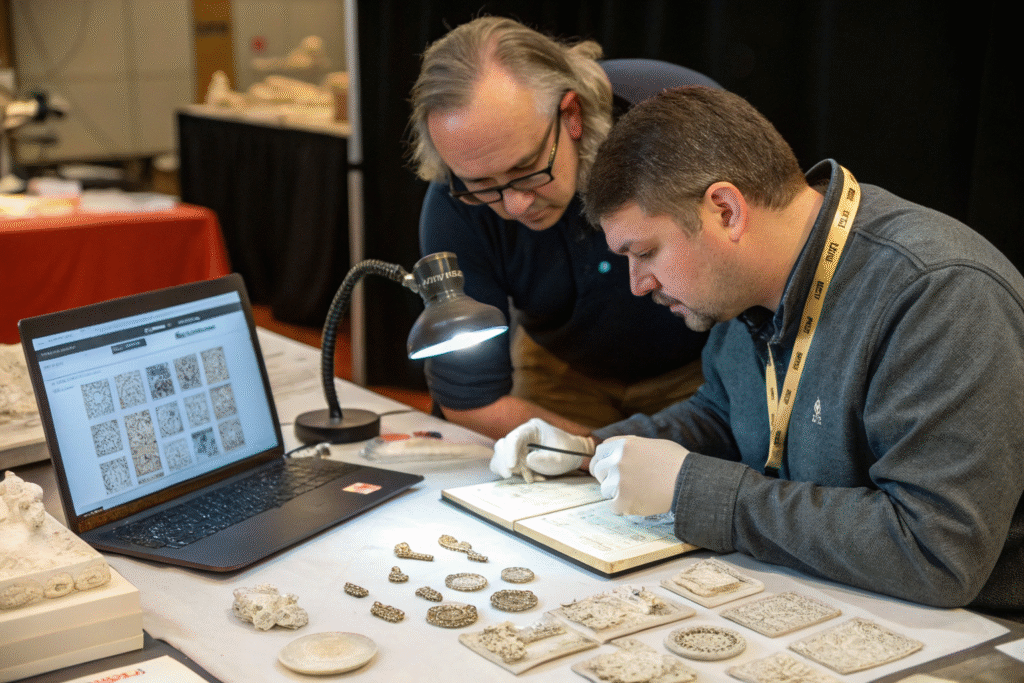
When vetting a factory or workshop, ask these critical questions:
- "Can you show me your process for creating a vintage patina, and how you ensure consistency across a production run?" (It should involve multiple steps, not just a dip).
- "What is your source for sterling silver, and can you provide mill certificates?" (Ensure it's .925, ideally from a LBMA-certified refiner if using recycled content).
- "Do you have in-house hand-engravers, or is all detailing done via casting?" (Casting captures detail, but hand-engraving on the cast piece adds uniqueness).
- "How do you attach the tip to the leather strap?" (It should be a robust mechanical method like riveting or a folded-and-soldered channel, not just glue).
- "Can you provide a sample that has undergone a tarnish resistance test?" (Some coatings can slow patina development; discuss customer expectations).
A credible partner will be passionate about the craft and will provide samples that stand up to close inspection.
How to Ensure Ethical and Quality Standards?
- Material Assay: Insist on a hallmark or stamp of ".925" on the tip itself, and request material certification.
- Fair Labor Practices: If partnering with small artisan workshops, ensure transparency about wages and working conditions. Consider Fairtrade Gold and silver standards as a benchmark.
- Durability Testing: The tip should be stress-tested. The attachment point is critical—it must withstand the pull of the belt without tearing the leather or detaching.
- Patina Stability: The applied patina should not rub off on clothing with normal wear. It should be sealed with a light, breathable lacquer or wax if a stable finish is desired, though purists may prefer the natural, evolving tarnish.
This level of diligence ensures the final product is not only beautiful but also ethically made and built to last, protecting your brand's reputation.
Conclusion
The resurgence of vintage silver belt tips is a meaningful correction in the fashion landscape—a collective reach for authenticity, narrative, and human-centric beauty in a world of algorithmic trends and anonymous production. For the wearer, it is an act of personal curation and a connection to enduring craft. For the brand, it is an opportunity to build deeper value through story, quality, and differentiation.
This trend is more than a fleeting retro moment; it is part of a broader, lasting movement towards mindful consumption and expressive individuality. By thoughtfully sourcing or creating these pieces—honoring the traditional techniques while ensuring modern quality and ethical standards—brands can craft not just belts, but modern heirlooms that resonate powerfully with today's discerning consumer.
If you are inspired to develop a belt line where heritage details meet contemporary luxury, partnering with a manufacturer skilled in precious metals and artisanal finishes is the essential first step. We have established partnerships with master casters and finishers who specialize in bringing vintage-inspired silverwork to life. Contact our Business Director, Elaine, to discuss forging your signature look: elaine@fumaoclothing.com. Let's craft a legacy, one tip at a time.