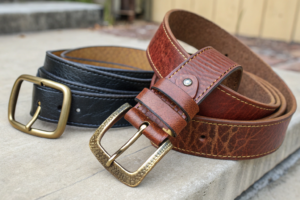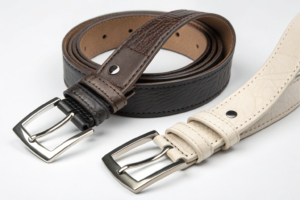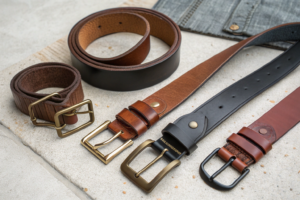
The fashion industry faces mounting pressure regarding its environmental impact, particularly concerning traditional leather production and petroleum-based synthetics. Leather tanning involves heavy chemical use and significant water consumption, while synthetic alternatives contribute to microplastic pollution and fossil fuel dependency. Consumers increasingly seek genuinely sustainable options that don't compromise on quality or aesthetics.
Algae-based leather offers a compelling sustainable belt material because it transforms environmental pollutants into premium textiles, requires minimal resource inputs compared to traditional materials, provides unique aesthetic possibilities, and supports circular economy principles. This innovative material cultivates specific algae strains that consume carbon dioxide, then processes the biomass into durable, beautiful leather alternatives with compelling environmental credentials.
The convergence of biotechnology advances, sustainable fashion demand, and carbon reduction imperatives has created ideal conditions for algae-based leather to emerge as a viable eco-friendly material. This analysis explores the practical, environmental, and market advantages of choosing algae-based leather for belt collections.
What Environmental Benefits Make Algae Leather Superior?
Algae-based leather addresses multiple environmental challenges simultaneously, offering advantages beyond simply reducing resource consumption. The material's production process actively contributes to environmental restoration while creating valuable products.
The cultivation phase removes carbon dioxide and other pollutants from the environment, while the manufacturing process uses significantly less water and energy than traditional leather production. This combination of active environmental benefit and reduced harm creates a compelling sustainability profile.
How Does Algae Cultivation Create Carbon Negative Materials?
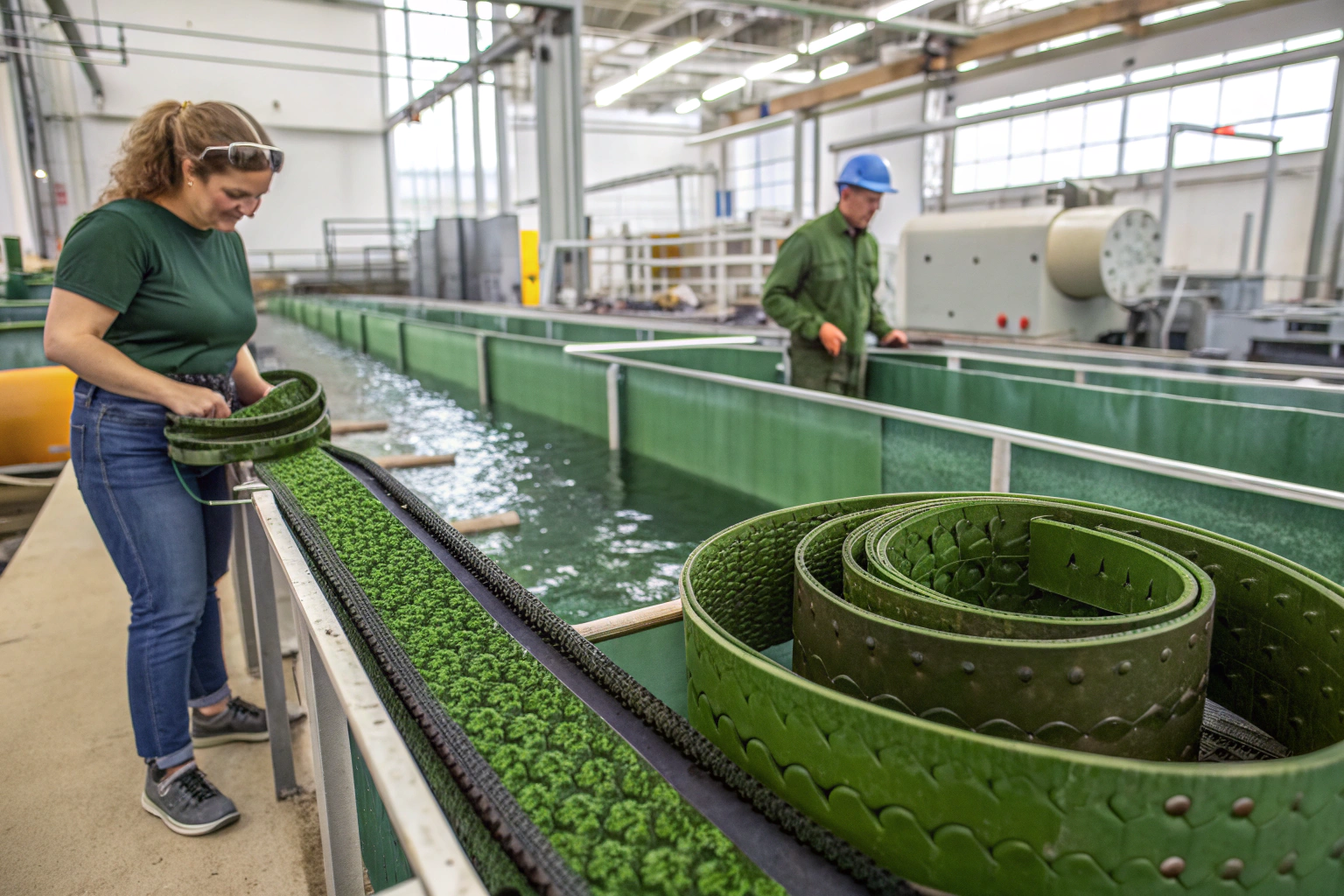
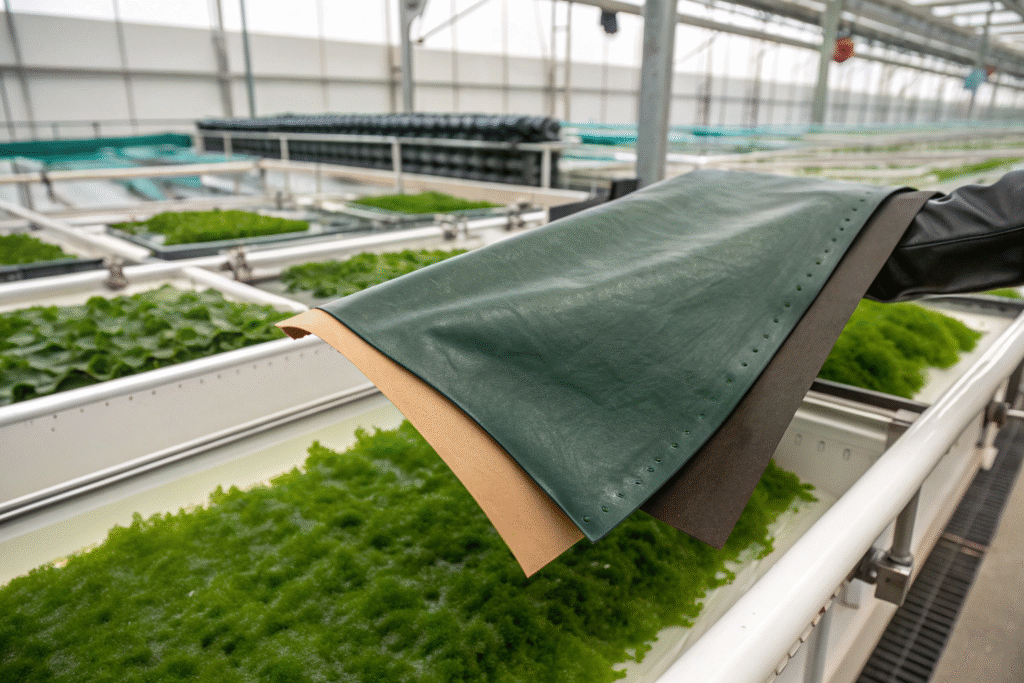
Specific algae strains consume carbon dioxide during photosynthesis, effectively removing this greenhouse gas from the atmosphere during material production. Unlike traditional manufacturing that typically generates carbon emissions, algae cultivation sequesters carbon while growing the raw material. This process can be integrated with industrial emissions sources, transforming waste CO2 into valuable materials while reducing overall environmental impact.
What Resource Savings Distinguish Algae Leather Production?
Compared to traditional leather manufacturing, algae-based leather requires approximately 90% less water and 80% less energy to produce equivalent material quantities. The tanning process for traditional leather consumes massive water volumes and involves numerous chemicals, while algae leather processing uses closed-loop systems that minimize waste. These dramatic resource reductions address fashion's significant water and energy footprint.
What Performance Characteristics Suit Belt Applications?
Beyond environmental credentials, algae-based leather must meet practical requirements for belt functionality. The material's physical properties make it surprisingly well-suited for accessory applications when properly processed and finished.
Algae leather offers excellent durability, flexibility, and aesthetic qualities that meet belt performance standards. These characteristics have improved significantly as manufacturing processes have advanced.
How Does Algae Leather Durability Compare to Traditional Materials?
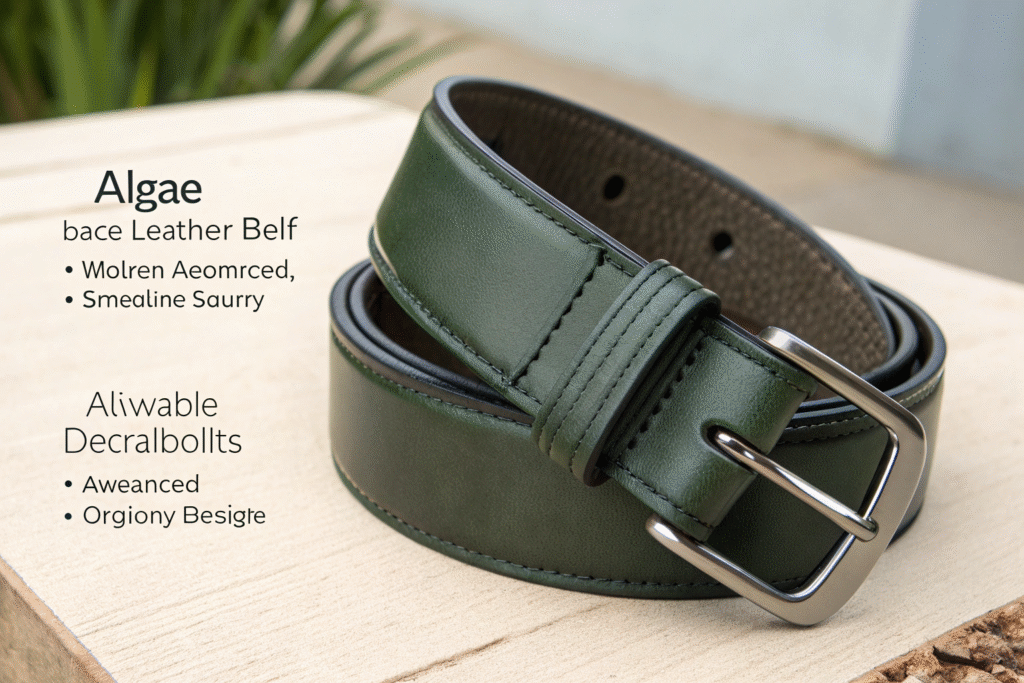
Advanced processing techniques create algae-based leather with tensile strength and abrasion resistance suitable for daily belt wear. While early versions showed limitations, current formulations approach traditional leather durability while offering superior consistency. The material's homogeneous structure avoids the natural variations and weak spots sometimes found in animal hides, potentially increasing product lifespan.
What Unique Aesthetic Advantages Does Algae Leather Offer?
The versatile nature of algae-based materials allows for customized colors, textures, and finishes that traditional leather cannot easily achieve. Manufacturers can incorporate pigments during the growth or processing phases, creating vibrant colors without additional dyeing steps. The material can also emulate various leather grains or develop entirely new visual textures that distinguish products in the marketplace.
What Manufacturing Innovations Enable Quality Production?
Traditional leather alternative production often struggled with scalability and quality consistency, but recent advancements in algae cultivation and processing have addressed these challenges. Modern manufacturing approaches create reliable, high-quality materials suitable for commercial fashion applications.
Bioreactor technology, efficient harvesting methods, and sophisticated material engineering have collectively transformed algae leather from experimental concept to viable commercial material. Each innovation contributes to better products and more efficient production.
How Has Bioreactor Technology Improved Material Quality?
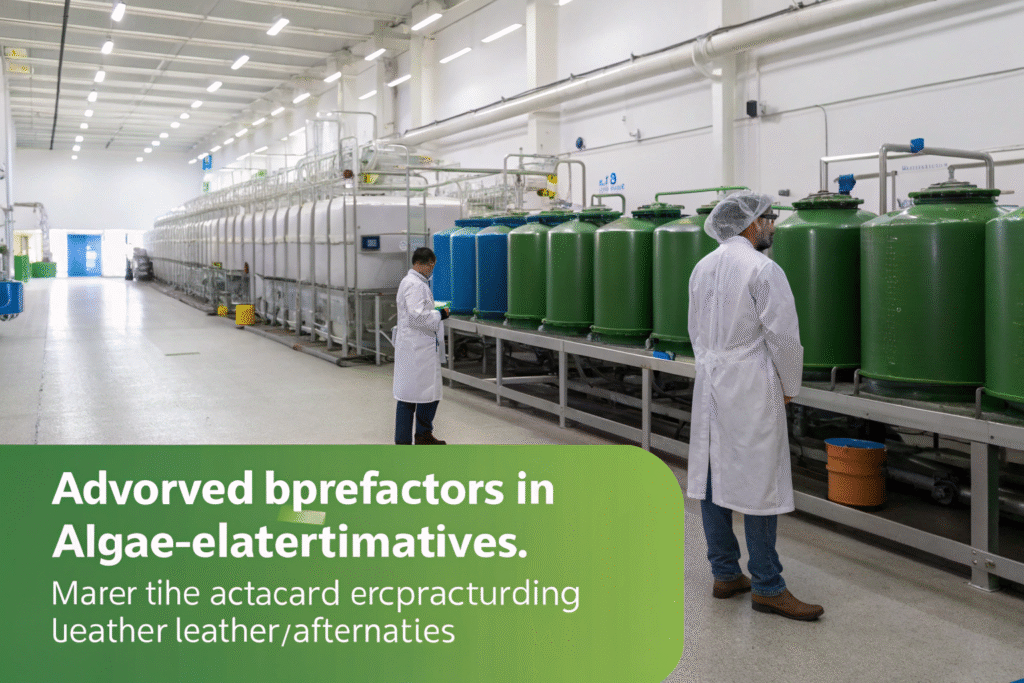
Advanced photobioreactor systems enable controlled algae growth with consistent properties ideal for leather production. These closed systems allow precise control over nutrients, light exposure, and CO2 levels, creating uniform biomass with predictable characteristics. This consistency enables manufacturers to produce reliable materials meeting specific performance requirements for fashion accessories.
What Processing Advances Enhance Material Performance?
Novel extraction and binding techniques create durable, flexible materials from algae biomass that maintain their integrity through cutting, stitching, and finishing processes. These methods preserve the natural polymers within algae while creating strong cross-links that provide the tear resistance and flexibility needed for belt applications. The resulting materials work well with standard leatherworking equipment and techniques.
What Market Advantages Does Algae Leather Provide?
Beyond environmental and performance characteristics, algae-based leather offers distinct marketing advantages in an increasingly sustainability-focused marketplace. The material's unique story and scientific credibility resonate with conscious consumers.
The combination of carbon sequestration, pollution remediation, and innovative science creates compelling brand narratives that differentiate products in a crowded market. These advantages support premium positioning while building consumer trust.
How Does the Sustainability Story Enhance Brand Perception?
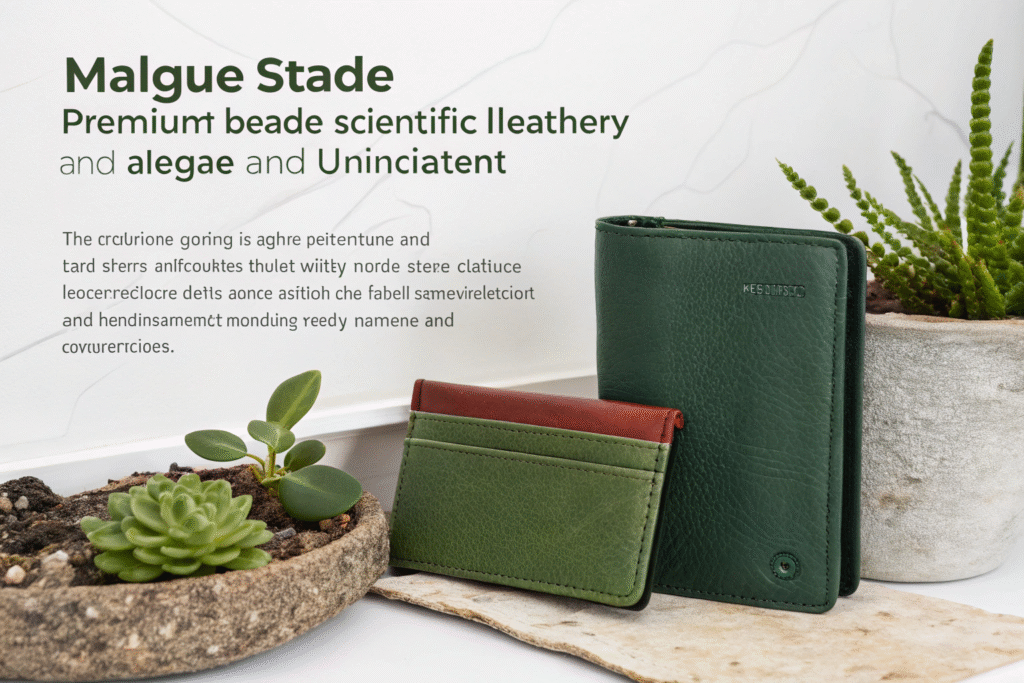
Algae leather's transformation from environmental problem to fashion solution provides a tangible example of circular economy principles that environmentally conscious consumers appreciate. Unlike vague "eco-friendly" claims, the specific story of converting CO2 into beautiful accessories provides verifiable sustainability credentials that build brand authenticity. This narrative is particularly compelling for brands targeting younger, environmentally aware consumers.
Why Does Scientific Innovation Appeal to Modern Consumers?
The biotechnology aspect of algae leather creation aligns with growing consumer interest in science-driven solutions to environmental challenges. The material's development story involves sophisticated science that demonstrates serious commitment to innovation rather than superficial sustainability efforts. This technological credibility supports premium positioning and differentiates products from simpler natural alternatives.
| Characteristic | Algae Leather Advantage | Traditional Leather Comparison |
|---|---|---|
| Carbon Footprint | Carbon negative during production | Significant emissions from livestock |
| Water Usage | Minimal water requirements | Extremely water-intensive tanning |
| Chemical Use | Minimal processing chemicals | Heavy metal and chemical use |
| Production Time | Weeks from cultivation to material | Years from birth to finished product |
Conclusion
Algae-based leather represents a transformative approach to sustainable fashion by actively improving environmental conditions during production rather than simply reducing harm. The material's ability to sequester carbon, minimal resource requirements, unique aesthetic possibilities, and compelling sustainability story create a powerful proposition for belt manufacturers and consumers alike. As the technology continues advancing and scaling, algae leather is positioned to become a significant material category that addresses fashion's environmental challenges while delivering beautiful, functional products.
Ready to explore algae-based leather for your sustainable belt collections? At StylishBelts, we're pioneering the integration of innovative biomaterials like algae leather into fashion-forward accessories. Contact our Business Director Elaine today at elaine@fumaoclothing.com to discuss how our algae leather expertise can enhance your sustainable product offerings.