The fashion industry faces increasing pressure to adopt sustainable practices, and accessories manufacturers are seeking eco-friendly alternatives to traditional materials. Bamboo has emerged as a revolutionary material for belt buckles, offering both environmental benefits and commercial advantages that forward-thinking brands can't afford to ignore.
Bamboo buckles represent a powerful sustainable choice for fashion brands because they combine rapid renewability, minimal environmental impact, unique aesthetic appeal, and growing consumer demand for eco-conscious products. Unlike metal buckles that require energy-intensive mining and manufacturing, bamboo grows abundantly without pesticides, matures quickly, and processes with significantly lower carbon emissions. These natural buckles offer distinctive visual characteristics that align with modern consumer preferences for authentic, earth-friendly fashion choices.
As sustainability becomes a decisive factor in purchasing decisions, understanding bamboo's advantages becomes essential for brands seeking competitive differentiation. Let's explore why this remarkable material deserves a place in your accessory collections.
What Environmental Advantages Do Bamboo Buckles Offer?
Bamboo stands apart from traditional buckle materials through its exceptional sustainability credentials and minimal ecological footprint throughout its lifecycle.
How Does Bamboo Compare to Traditional Materials?
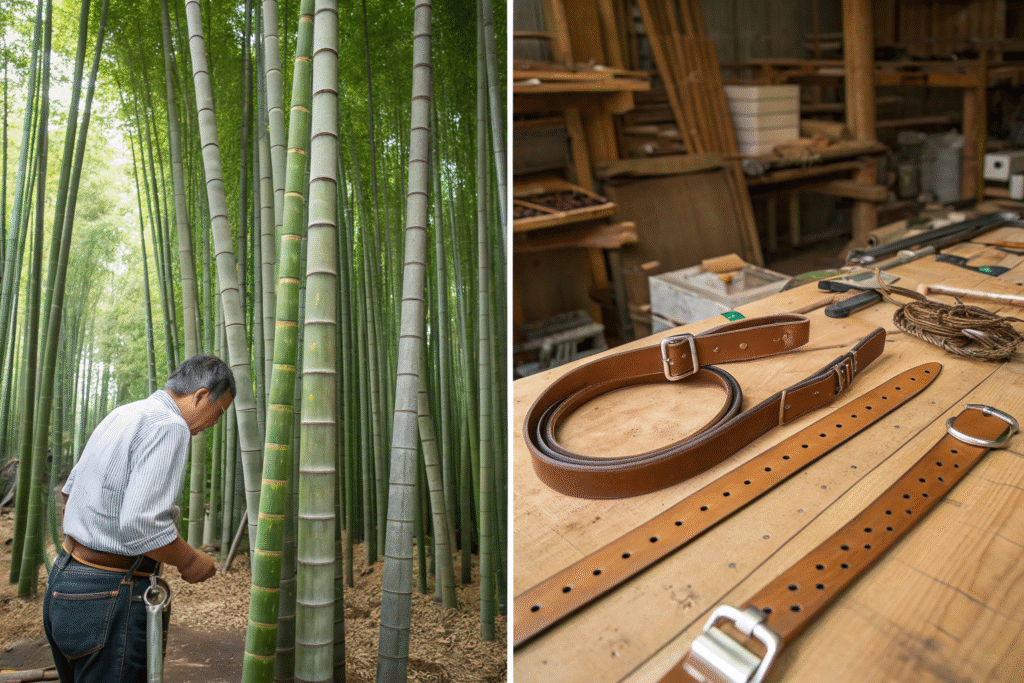
Bamboo offers significant environmental advantages over conventional buckle materials. Unlike metal buckles that require mining, smelting, and extensive processing, bamboo grows naturally and processes with minimal energy input. Compared to plastic buckles derived from fossil fuels, bamboo captures carbon throughout its growth cycle. The material reaches maturity in just 3-5 years compared to decades for most trees, making it one of the world's most renewable resources.
The production process for bamboo buckles generates substantially lower carbon emissions than metal alternatives. While stainless steel buckles require temperatures exceeding 1500°C for production, bamboo processing occurs at room temperature for cutting and shaping, with only moderate heat needed for curing and hardening. This energy differential translates to a 70-80% reduction in carbon footprint compared to metal buckles and 90% reduction compared to plastics derived from petroleum sources.
What Makes Bamboo So Renewable?
Bamboo's renewability credentials are unmatched by any other buckle material. The plant regenerates naturally from its root system after harvesting, eliminating the need for replanting and soil disturbance. This perennial growth pattern prevents erosion and maintains soil health indefinitely. A single bamboo clump can produce harvestable material for decades without degradation of the ecosystem.
Unlike slow-growing hardwoods used for fashion accessories, bamboo achieves structural maturity rapidly, with some species growing up to 90 centimeters per day during peak seasons. This astonishing growth rate means bamboo can be harvested cyclically without depletion of resources. When managed responsibly through certification programs, bamboo production supports rather than depletes natural capital, making it a truly sustainable choice for fashion brands.
How Do Bamboo Buckles Enhance Product Appeal?
Beyond environmental benefits, bamboo buckles deliver tangible aesthetic and marketing advantages that resonate with contemporary consumers.
What Unique Aesthetic Qualities Do They Offer?
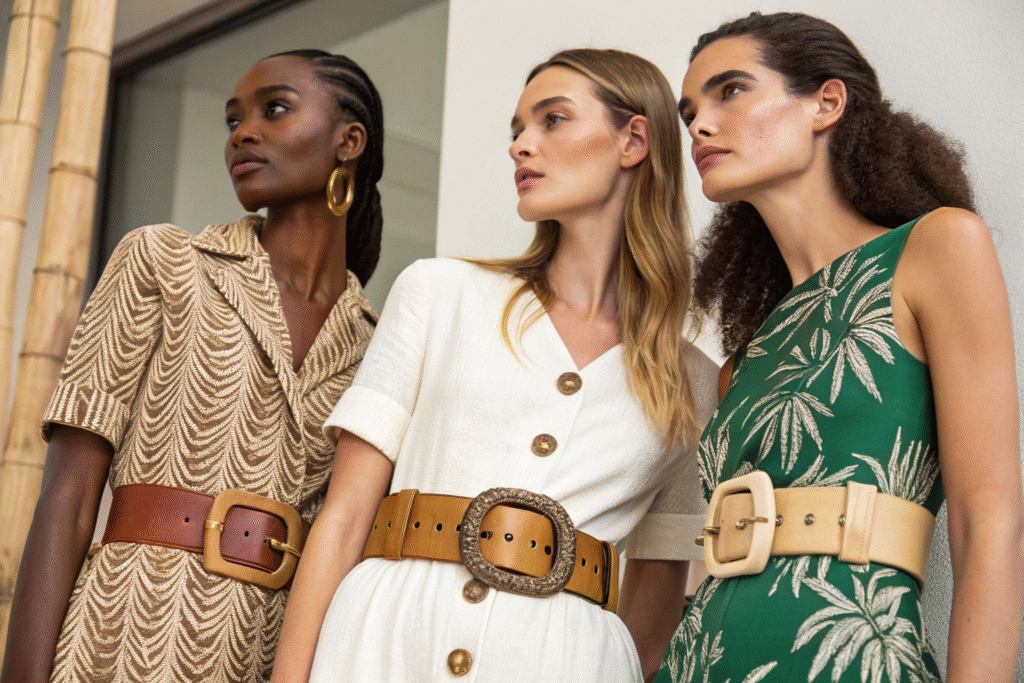
Each bamboo buckle possesses unique natural characteristics that mass-produced metals and plastics cannot replicate. The material's inherent grain patterns, color variations, and organic textures create distinctive products that stand out in a crowded marketplace. These natural variations mean each buckle is subtly unique, providing customers with a sense of owning something truly special rather than identical factory output.
Bamboo accepts stains, dyes, and finishes exceptionally well, allowing for customization across a spectrum of colors from natural honey tones to rich ebony shades. The material can be polished to a smooth, luxurious finish or left with more textured, rustic surfaces depending on the desired aesthetic. This versatility enables brands to maintain consistent color stories across collections while preserving the organic appeal that makes bamboo so desirable to eco-conscious consumers.
How Do Consumers Perceive Bamboo Products?
Market research indicates strong consumer preference for bamboo across multiple product categories. Modern shoppers associate bamboo with natural purity, environmental responsibility, and wellness-oriented lifestyles. These positive perceptions transfer directly to fashion accessories, with bamboo buckles signaling a brand's commitment to sustainability in an immediately recognizable way.
Studies show that products featuring sustainable materials like bamboo often command price premiums of 15-30% while experiencing higher sell-through rates. The storytelling potential around bamboo's renewability and natural origins provides marketing content that resonates deeply with the growing segment of environmentally conscious shoppers. This combination of aesthetic appeal and ethical credentials creates powerful emotional connections that drive brand loyalty and repeat purchases.
What Practical Advantages Do Bamboo Buckles Provide?
Beyond environmental and marketing benefits, bamboo offers functional advantages that make it a practical choice for fashion accessories.

How Durable Are Bamboo Buckles?
Properly processed bamboo demonstrates remarkable durability characteristics that rival traditional materials. Through modern curing and hardening techniques, bamboo achieves tensile strength comparable to many metals while weighing significantly less. The material naturally resists moisture absorption when properly sealed, maintaining its structural integrity and appearance through regular wear.
While not indestructible like titanium, quality bamboo buckles withstand daily use as effectively as brass or zinc alloys commonly used in fashion accessories. The material's natural flexibility provides impact resistance that rigid metals lack, reducing likelihood of cracking or permanent deformation. With proper care, bamboo buckles maintain their appearance for years, developing a attractive patina over time that many consumers find desirable.
What Manufacturing Benefits Do They Offer?
Bamboo presents several manufacturing advantages over conventional buckle materials. The material machines easily with standard woodworking equipment, allowing for intricate designs and detailed engraving without specialized tooling. This accessibility enables smaller production runs with minimal setup costs, providing flexibility for seasonal collections and limited editions.
The lightweight nature of bamboo reduces shipping costs significantly compared to metal alternatives. Where a typical metal buckle might weigh 60-80 grams, a similarly sized bamboo buckle weighs just 15-25 grams. This weight differential translates to substantial savings in international shipping, particularly important for brands operating global supply chains. Additionally, bamboo's non-conductive and non-magnetic properties simplify logistics and storage requirements.
How Can Brands Successfully Implement Bamboo Buckles?
Transitioning to bamboo buckles requires strategic planning around sourcing, design, and marketing to maximize both environmental and commercial benefits.

What Sourcing Considerations Matter Most?
Responsible bamboo sourcing requires verification of sustainable harvesting practices and supply chain transparency. Look for suppliers certified under recognized programs that ensure ethical labor practices and environmental stewardship. The most reputable sources provide traceability from forest to finished product, giving brands credible sustainability stories to share with customers.
Quality consistency varies significantly among bamboo suppliers. The best manufacturers implement rigorous grading systems that sort material by density, grain pattern, and structural integrity. Establish clear quality standards with your supplier regarding acceptable natural variations, finishing consistency, and structural requirements. Regular factory audits ensure maintained standards and provide opportunities to collaborate on process improvements that benefit both parties.
How to Market Bamboo Buckles Effectively?
Successful bamboo buckle marketing emphasizes authentic sustainability stories without overstating environmental benefits. Focus on bamboo's renewability, carbon sequestration capabilities, and biodegradability at end of life. Use specific, verifiable claims rather than vague environmental terminology to build credibility with increasingly sophisticated consumers.
Visual storytelling powerfully communicates bamboo's natural origins. High-quality photography and video content showing the material's transformation from plant to finished product resonates strongly with eco-conscious shoppers. Consider implementing QR codes on packaging that link to detailed information about your sustainability practices and bamboo sourcing partners, creating transparency that builds trust and brand loyalty.
Conclusion
Bamboo buckles represent more than an eco-friendly alternative—they offer a compelling business case combining environmental responsibility, consumer appeal, and practical advantages. As sustainability becomes increasingly important in purchasing decisions, bamboo provides a visible, authentic way for brands to demonstrate their commitment to positive environmental practices.
The natural beauty, renewability, and marketing potential of bamboo buckles create opportunities for brands to differentiate themselves in competitive markets while contributing to fashion industry transformation. By choosing bamboo, companies align with consumer values without compromising on quality, design flexibility, or commercial viability.
Ready to explore bamboo buckles for your fashion collections? Contact our Business Director, Elaine, at elaine@fumaoclothing.com to discuss how our sustainably sourced bamboo components can enhance your brand's environmental profile and market appeal.