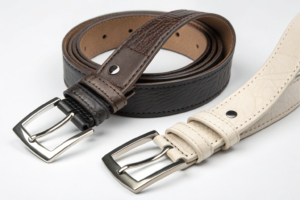
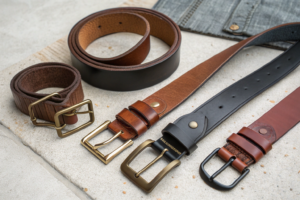
The fashion industry faces growing scrutiny over its environmental impact, particularly regarding material sourcing and waste generation. Traditional belt materials like leather involve significant resource consumption and chemical processing, while synthetic alternatives contribute to microplastic pollution and petroleum dependency. Consumers increasingly seek sustainable options that don't compromise on style or durability.
Banana fiber offers an exceptional eco-casual belt material because it transforms agricultural waste into premium textiles, requires minimal processing compared to conventional materials, provides natural durability and texture, and supports circular economy principles. This innovative material repurposes banana plant stems that would otherwise be discarded after harvest, creating beautiful, sustainable accessories with compelling environmental credentials.
The convergence of sustainable fashion trends and agricultural innovation has created ideal conditions for banana fiber to emerge as a viable eco-friendly material. This analysis explores the practical, environmental, and market advantages of choosing banana fiber for casual belt collections.
How Does Banana Fiber Support Sustainable Agriculture?
The banana industry generates enormous agricultural waste, with approximately 60-80 tons of plant stems discarded per hectare after each harvest. Traditionally, these stems are left to decompose or burned, releasing methane and carbon dioxide into the atmosphere. Banana fiber utilization transforms this waste stream into valuable textiles.
Banana fiber extraction creates additional income streams for farming communities while reducing agricultural waste management challenges. This approach exemplifies the circular economy by viewing waste as a resource rather than a disposal problem.

What Environmental Benefits Come from Waste Utilization?
By repurposing banana stems that would otherwise decompose anaerobically, banana fiber production significantly reduces methane emissions from agriculture. The process requires minimal additional water or land resources since it utilizes existing agricultural byproducts. Compared to cotton cultivation, which consumes enormous water quantities, or leather production, which involves heavy chemical use, banana fiber represents a dramatically lighter environmental footprint.
How Does Banana Fiber Production Support Farming Communities?
The extraction and processing of banana fiber creates rural employment opportunities, particularly for women in agricultural regions. This additional income source helps stabilize farming economies that might otherwise rely solely on fruit production. The social benefit aspect provides compelling storytelling for brands committed to ethical sourcing and community support.
What Performance Characteristics Make Banana Fiber Suitable for Belts?
Beyond its environmental credentials, banana fiber must meet practical requirements for belt applications. The material's natural properties make it surprisingly well-suited for casual belt construction when properly processed and woven.
Banana fiber offers excellent tensile strength, moisture absorption, and natural texture that distinguishes it from conventional materials. These characteristics create belts that are both functional and distinctive.
How Does Banana Fiber Strength Compare to Traditional Materials?
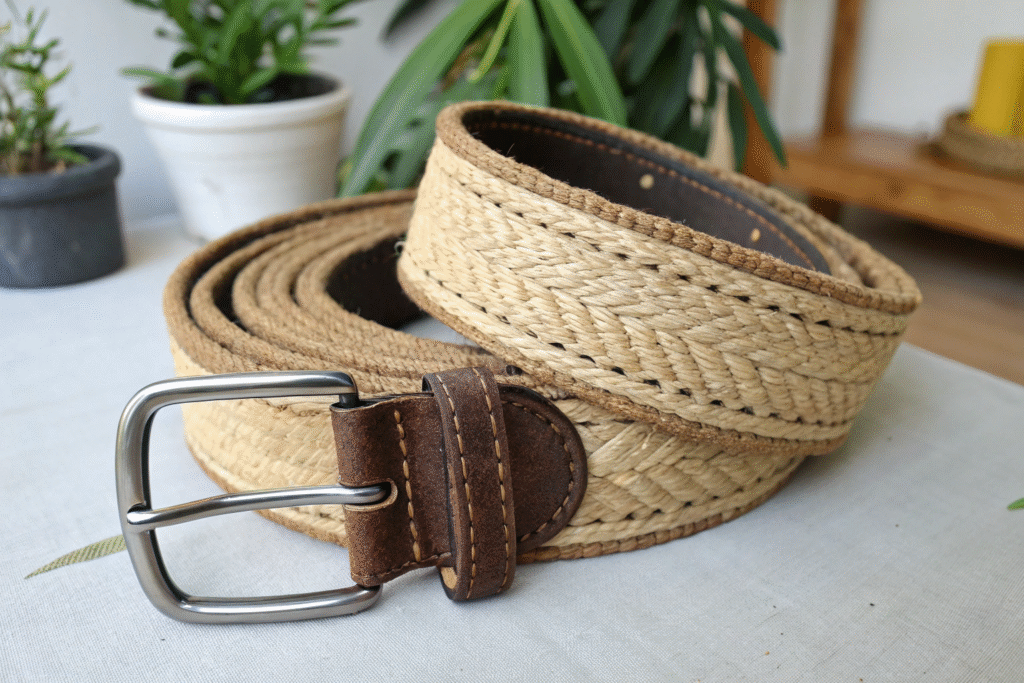
Banana fiber possesses remarkable tensile strength that can rival some synthetic fibers when properly extracted and woven. The natural fiber structure contains lignin and cellulose that provide durability suitable for daily wear. When woven in dense patterns or combined with natural reinforcements, banana fiber creates belts that maintain their integrity through regular use.
What Natural Advantages Does Banana Fiber Offer?
Unlike synthetic materials that trap moisture, banana fiber's natural porosity allows breathability and moisture-wicking, making it comfortable for all-day wear. The fiber's natural golden-beige color provides an attractive earthy tone that many consumers associate with sustainability and natural living. These inherent characteristics reduce the need for chemical dyes and treatments that compromise environmental benefits.
What Manufacturing Innovations Enable Quality Banana Fiber Belts?
Traditional banana fiber extraction produced coarse textiles unsuitable for fashion applications, but modern processing techniques have dramatically improved the fiber's quality and versatility. These advancements make banana fiber viable for premium accessories.
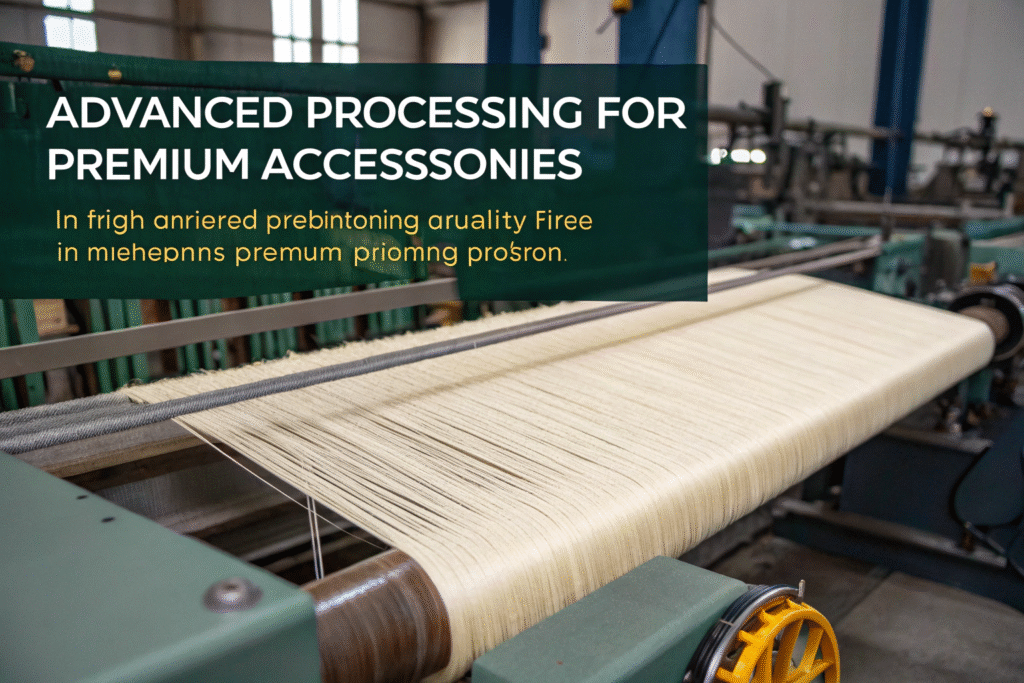
Mechanical extraction, controlled retting, and specialized spinning create consistent, high-quality yarns suitable for belt weaving. Each processing step has been refined to enhance the fiber's natural properties while maintaining its environmental advantages.
How Has Modern Extraction Improved Fiber Quality?
Traditional manual extraction produced inconsistent fibers with limited applications, but modern mechanical decortication systems create uniform, high-quality fibers suitable for textile production. These systems separate fibers from the plant pith efficiently while preserving fiber length and strength. The resulting consistent quality enables mass production of reliable banana fiber textiles.
What Weaving Techniques Optimize Banana Fiber for Belts?
Specialized weaving patterns enhance banana fiber's natural properties for belt applications. Dense, tight weaves using multiple yarn plies create the durability needed for belt functionality, while strategic texture variations highlight the material's natural character. These techniques transform what was once considered a craft material into a viable commercial textile.
What Market Advantages Does Banana Fiber Offer?
Beyond environmental and performance characteristics, banana fiber provides distinct marketing advantages in an increasingly sustainability-focused marketplace. The material's unique story and natural aesthetics resonate with conscious consumers.
The combination of waste transformation, rural community support, and natural aesthetics creates compelling brand narratives that differentiate products in a crowded market. These advantages support premium positioning while building consumer trust.
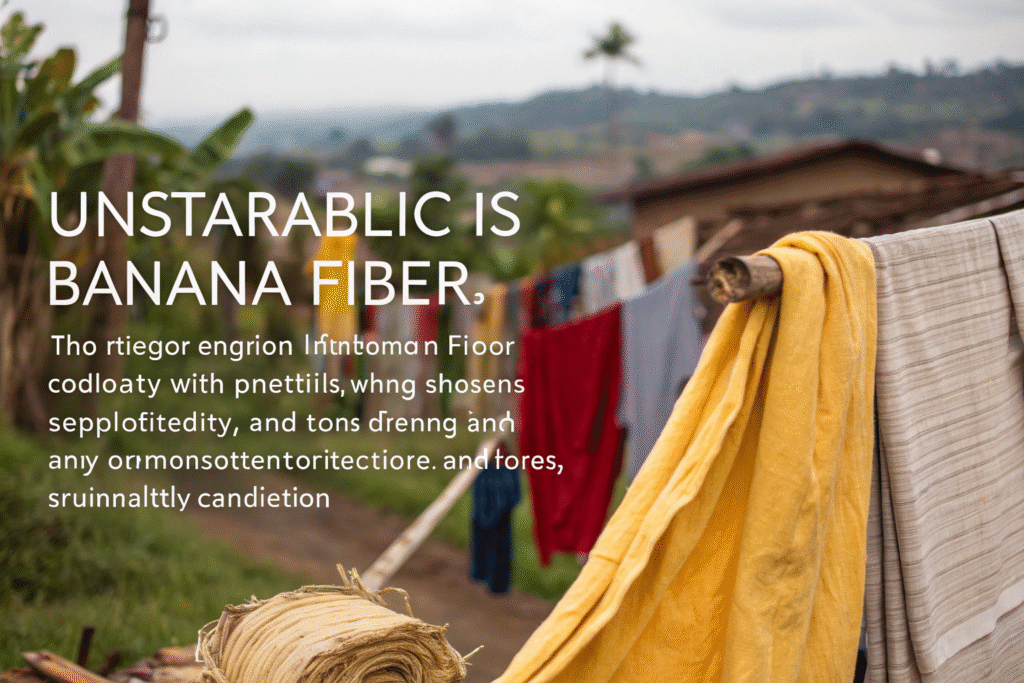
How Does the Sustainability Story Enhance Brand Perception?
Banana fiber's transformation from agricultural waste to fashion accessory provides a tangible example of circular economy principles that environmentally conscious consumers appreciate. Unlike vague "eco-friendly" claims, the specific story of repurposing banana stems provides verifiable sustainability credentials that build brand authenticity and trust.
Why Does Natural Aesthetic Appeal to Modern Consumers?
The earthy, textured appearance of banana fiber aligns with consumer preferences for natural, authentic materials in casual accessories. The visual and tactile qualities communicate sustainability without sacrificing style, addressing the common concern that eco-friendly products lack aesthetic appeal. This balance makes banana fiber particularly suitable for the growing market of consumers who want their purchases to reflect their values.
| Characteristic | Banana Fiber Advantage | Comparison to Conventional Materials |
|---|---|---|
| Environmental Impact | Utilizes agricultural waste | Leather: heavy resource use; Synthetic: petroleum-based |
| Water Consumption | Minimal additional water required | Cotton: extremely water-intensive |
| Carbon Footprint | Carbon negative through waste diversion | Most materials: net positive emissions |
| Social Impact | Creates rural employment | Conventional materials: limited community benefits |
Conclusion
Banana fiber represents a compelling choice for eco-casual belts by combining significant environmental benefits with practical performance characteristics and market advantages. By transforming agricultural waste into beautiful, durable accessories, this innovative material supports circular economy principles while meeting consumer demand for sustainable fashion. The unique story of waste-to-wearable transformation, combined with the fiber's natural aesthetics and functionality, creates products that resonate with environmentally conscious consumers without compromising on style or quality.
Ready to explore banana fiber for your eco-casual belt collections? At StylishBelts, we specialize in sustainable material innovation that combines environmental responsibility with fashion-forward design. Contact our Business Director Elaine today at elaine@fumaoclothing.com to discuss how our banana fiber expertise can enhance your sustainable product offerings.