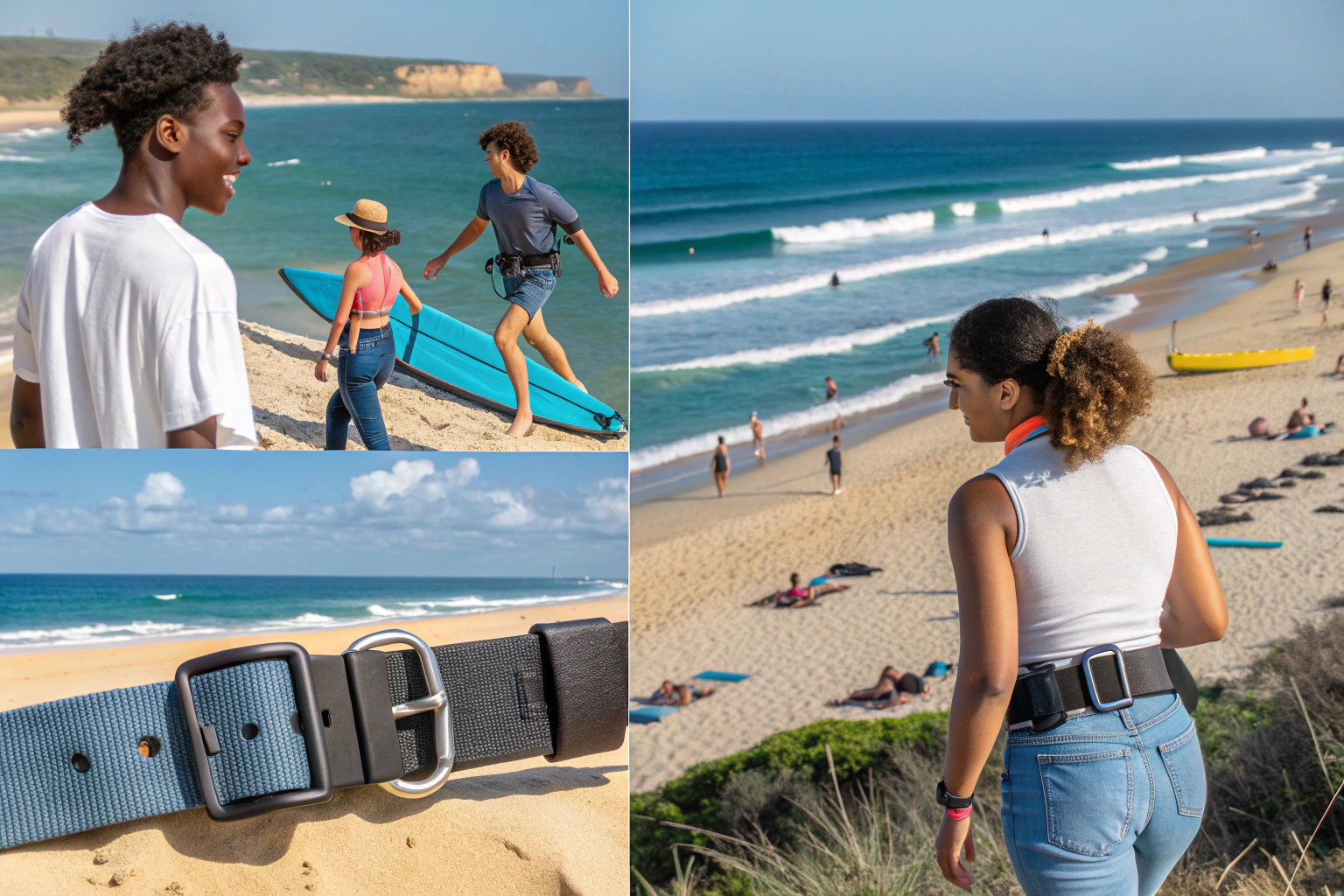
Coastal environments present unique challenges for fashion accessories that inland manufacturers often overlook. The combination of salt air, high humidity, and intense UV exposure can destroy ordinary belt buckles within a single season, leaving tourists and residents frustrated with tarnished, pitted, and malfunctioning hardware. Why do standard buckles fail so quickly in marine environments, and what solutions actually deliver lasting performance?
Corrosion-resistant buckles are essential for coastal markets because they withstand the destructive combination of saltwater, humidity, and UV exposure that rapidly degrades ordinary metals. Unlike standard buckles that develop unsightly tarnish and functional failure, corrosion-resistant options maintain their appearance and mechanical integrity through prolonged coastal exposure. This durability translates to higher customer satisfaction, reduced returns, and stronger brand reputation in these demanding environments.
The coastal market demands more than just aesthetic considerations—it requires fundamental material science understanding and specialized manufacturing approaches. Let's examine the specific coastal environmental challenges, material solutions, design adaptations, and market advantages that make corrosion-resistant buckles essential for success in these regions.
What Coastal Environmental Factors Destroy Ordinary Buckles?
Coastal environments create a perfect storm of corrosive conditions that accelerate metal deterioration through multiple simultaneous mechanisms. Understanding these factors helps explain why specialized buckles are necessary rather than optional for coastal markets.
The primary destructive factors include salt spray aerosol, high humidity accelerating electrochemical corrosion, UV radiation degrading protective coatings, sand abrasion wearing surfaces, and temperature fluctuations causing condensation. These elements work synergistically to break down metal surfaces and protective treatments much faster than inland conditions.

How Does Salt Accelerate Metal Corrosion?
Salt accelerates corrosion through electrochemical reactions where saltwater acts as an electrolyte, facilitating electron transfer between different metal regions and dramatically increasing oxidation rates. Chloride ions in salt are particularly aggressive at breaking down protective oxide layers that form on metals like aluminum and steel. This process creates pitting corrosion that penetrates deep into the metal structure, compromising both appearance and mechanical strength. Research from NACE International (The Worldwide Corrosion Authority) provides detailed analysis of salt-induced corrosion mechanisms and acceleration rates in marine environments.
Why Do Humidity and Temperature Changes Matter?
High humidity maintains a continuous thin film of moisture on metal surfaces, enabling constant corrosive activity rather than the intermittent exposure that occurs inland. Temperature fluctuations cause condensation that concentrates salt deposits as water evaporates, creating increasingly concentrated corrosive solutions. The combination of high humidity (typically 70-95% in coastal areas) and salt creates conditions where corrosion proceeds 3-5 times faster than in dry inland environments. The American Society of Mechanical Engineers publishes specific guidelines for material selection in high-humidity marine applications.
What Materials Provide True Corrosion Resistance?
Not all "rust-resistant" materials perform equally in harsh coastal conditions. True corrosion resistance requires specific material properties and manufacturing processes that go beyond basic protective coatings.
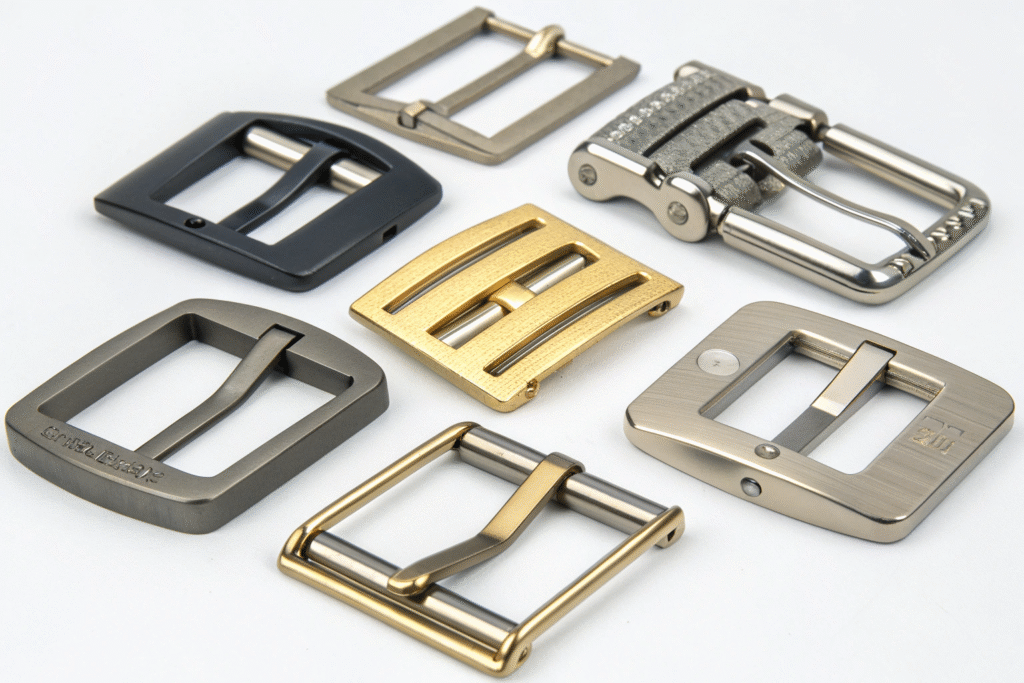
The most effective corrosion-resistant buckle materials include marine-grade stainless steel (316L), titanium, brass with specialized marine coatings, and advanced polymers/composites. Each material offers different balances of corrosion resistance, strength, cost, and aesthetic possibilities for coastal applications.
Why is Marine-Grade Stainless Steel Superior?
Marine-grade stainless steel (316/L) contains molybdenum that provides superior resistance to chloride-induced pitting corrosion compared to standard stainless (304). The molybdenum atoms integrate into the protective chromium oxide layer, making it more stable and resistant to breakdown by salt ions. This specific formulation is essential for coastal applications where standard stainless steel will eventually develop rust spots and pitting. Standards from ASTM International provide specific testing protocols for evaluating stainless steel performance in marine environments.
What Makes Titanium Ideal for Coastal Applications?
Titanium offers complete immunity to saltwater corrosion through its naturally forming, self-healing oxide layer that reforms instantly if scratched or damaged. Unlike stainless steel that can still experience crevice corrosion in tight buckle mechanisms, titanium maintains integrity in all coastal conditions. The material's high strength-to-weight ratio also makes it comfortable for beachwear and active coastal use. The International Titanium Association provides extensive data on titanium's performance in marine applications, confirming its virtually unlimited corrosion resistance in saltwater environments.
How Does Buckle Design Enhance Corrosion Resistance?
Material selection alone isn't sufficient—buckle design plays a crucial role in preventing corrosion by eliminating areas where moisture and salt can accumulate and become concentrated.
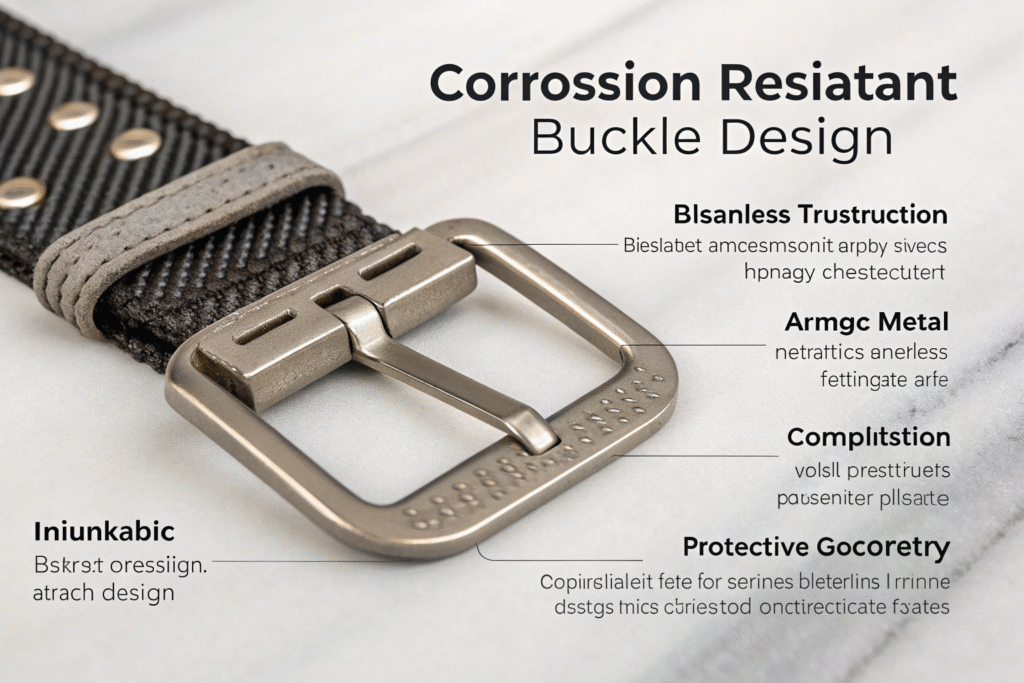
Corrosion-resistant buckle design incorporates seamless constructions, drainage pathways, minimal crevices, compatible metal combinations, and protective geometry. These design elements work with material properties to create comprehensive protection that survives years of coastal exposure.
Why Do Crevices Accelerate Corrosion in Coastal Areas?
Crevices create localized environments where oxygen levels differ from the surrounding area, setting up concentration cells that drive aggressive localized corrosion. In buckle mechanisms, tight spaces between moving parts trap salt moisture that becomes increasingly concentrated as water evaporates, creating hyper-corrosive conditions that can destroy even resistant materials. Designs that minimize these crevices or incorporate drainage significantly extend buckle lifespan. Research from The Electrochemical Society documents how crevice corrosion mechanisms specifically affect buckle designs in marine environments.
How Can Design Prevent Galvanic Corrosion?
Galvanic corrosion occurs when dissimilar metals contact each other in the presence of an electrolyte (seawater), creating a battery effect that sacrifices the less noble metal. Smart buckle design uses compatible metals or incorporates insulating materials between different metal components. For example, using titanium rivets with titanium buckle frames rather than mixing metals prevents this destructive process. The Society for Protective Coatings provides specific guidelines for preventing galvanic corrosion in marine hardware through proper material pairing and isolation techniques.
What Market Advantages Do Corrosion-Resistant Buckles Offer?
Beyond technical performance, corrosion-resistant buckles provide significant business advantages in coastal markets where consumers have experienced product failure and actively seek reliable solutions.
The market advantages include premium pricing justification, reduced return rates, positive word-of-mouth marketing, brand reputation building, and expanded product applications. These factors combine to create stronger profitability and customer loyalty in competitive coastal markets.
How Does Durability Impact Customer Satisfaction?
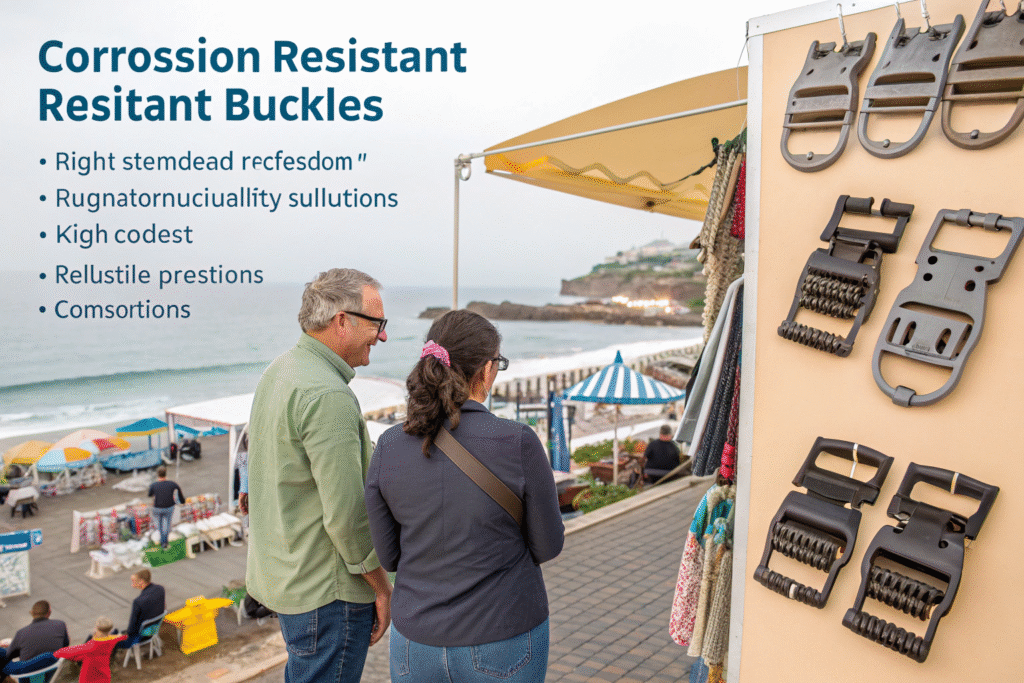
Durability directly impacts customer satisfaction in coastal regions where consumers have learned through experience that ordinary accessories fail quickly. A belt that maintains its appearance and function through multiple seasons becomes a recommended product rather than a disposable purchase. This satisfaction translates into repeat purchases, positive reviews, and social media endorsements that are particularly valuable in tourist-driven markets. Consumer research from J.D. Power demonstrates how product durability increasingly drives purchasing decisions, especially in categories where consumers have experienced premature failure.
Can Corrosion Resistance Support Premium Pricing?
Corrosion resistance consistently supports premium pricing because customers understand the value proposition of products that won't need replacement after one season. The higher initial cost distributes across years of use rather than months, creating compelling value that justifies price points 30-50% above standard alternatives. This pricing power helps offset the higher material and manufacturing costs associated with corrosion-resistant materials. Market data from The NPD Group shows consumers willingly pay premiums for durability in categories where they've experienced product failure due to environmental factors.
Conclusion
Corrosion-resistant buckles represent a essential investment for success in coastal markets where environmental conditions rapidly destroy ordinary hardware. The combination of specialized materials, thoughtful design, and proven performance creates products that deliver lasting satisfaction to consumers who have experienced the frustration of corroded accessories.
The coastal market opportunity extends beyond mere problem avoidance to genuine brand building through reliable performance in demanding conditions. If you're looking to develop belt collections specifically engineered for coastal consumers, our manufacturing expertise in corrosion-resistant materials can help create products that withstand marine environments while maintaining aesthetic appeal. Contact our Business Director, Elaine, to discuss how we can develop coastal-resistant belt collections for your brand. Reach out to Elaine at elaine@fumaoclothing.com. Let's create accessories that thrive where others simply survive.