The sustainable fashion movement has accelerated dramatically, with consumers and brands seeking alternatives to conventional materials that reduce environmental impact without compromising style or durability. While organic cotton and recycled polyester have gained attention, hemp-blend fabrics offer unique advantages that make them particularly suitable for casual belts that balance ecological responsibility with everyday functionality.
Hemp-blend fabrics are ideal for sustainable casual belts because they combine hemp's natural durability, moisture-wicking properties, and biodegradability with the softness and processing ease of complementary fibers. This creates belts that offer exceptional longevity, minimal environmental footprint, and comfortable wear characteristics that outperform many conventional materials.
The renaissance of hemp in fashion represents a return to traditional wisdom supported by modern manufacturing innovations. Understanding the full spectrum of benefits helps brands make informed decisions about material selection for their sustainable accessory lines.
What Environmental Advantages Do Hemp-Blend Fabrics Offer?
Hemp cultivation requires significantly fewer resources than conventional textile crops, making hemp-blend fabrics a cornerstone of truly sustainable fashion. The environmental benefits begin at the agricultural level and extend throughout the product lifecycle, creating a dramatically reduced ecological footprint compared to conventional belt materials.
The sustainability case for hemp extends beyond reduced water usage to encompass soil health, carbon sequestration, and circular economy potential. These comprehensive environmental benefits align with the values of conscious consumers seeking accessories that reflect their ecological concerns.

How does hemp cultivation benefit agricultural ecosystems?
Hemp cultivation demonstrates remarkable environmental advantages from the earliest growth stages. According to Textile Exchange research, hemp requires approximately 50% less water than cotton cultivation and naturally resists pests, reducing pesticide requirements by 80-90% compared to conventional crops. The plant's deep root system prevents soil erosion and actually improves soil health through phytoremediation, drawing contaminants from the soil while leaving it more fertile for subsequent crops. This regenerative agricultural approach creates a positive environmental impact rather than merely reducing negative effects.
What lifecycle advantages do hemp-blend belts provide?
Hemp-blend fabrics offer sustainability benefits throughout the entire product lifecycle. The natural fibers are biodegradable under proper conditions, breaking down completely at end-of-life rather than persisting in landfills like synthetic materials. During use, hemp's natural resistance to mold and ultraviolet light degradation extends product lifespan, reducing replacement frequency. When blended with organic cotton or recycled polyester, hemp creates durable fabrics that maintain these environmental advantages while offering enhanced performance characteristics for casual belt applications.
How Do Hemp-Blend Fabrics Enhance Belt Performance?
Beyond environmental benefits, hemp-blend fabrics deliver practical performance advantages that make them exceptionally suitable for casual belts. The unique properties of hemp fiber create materials that outperform conventional options in several key areas relevant to belt functionality and comfort.
The performance characteristics of hemp-blend fabrics address common belt complaints while providing benefits that conscious consumers value in their daily accessories. These practical advantages help explain why hemp is experiencing renewed interest beyond its sustainability credentials.
What durability characteristics make hemp ideal for belts?
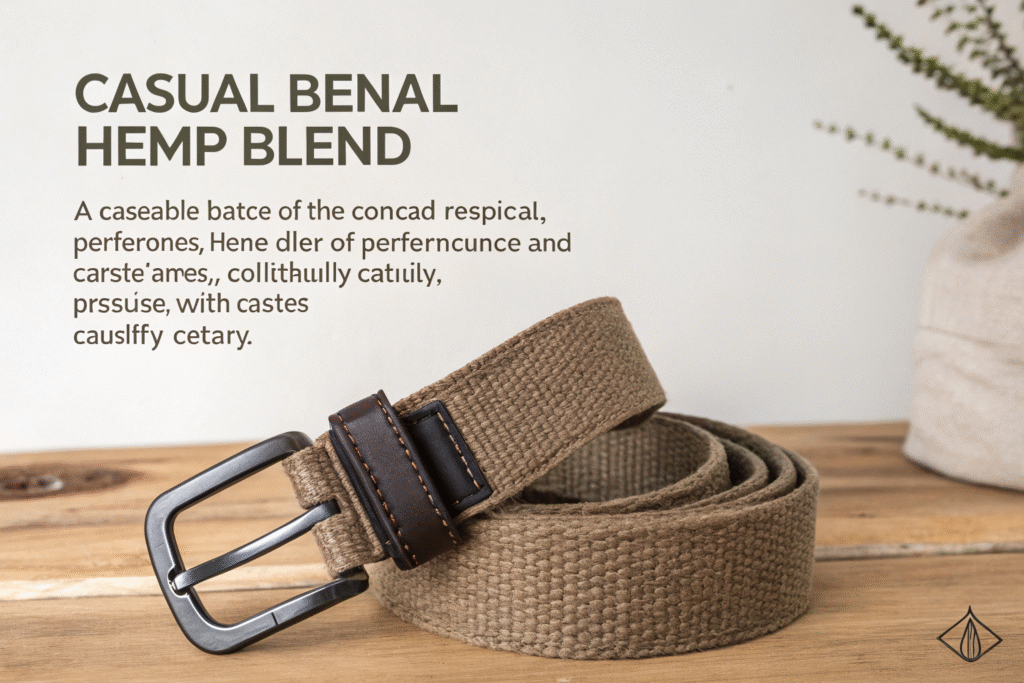
Hemp possesses natural strength that translates directly to belt longevity. The fibers have a tensile strength approximately 8 times greater than cotton and demonstrate exceptional resistance to abrasion, a crucial factor for belts that experience regular friction against clothing and seating surfaces. When woven into fabrics for belts, hemp blends maintain this strength while gaining flexibility from complementary fibers. This combination creates belts that resist the stretching, tearing, and edge fraying that often plagues casual fabric belts, significantly extending their usable lifespan.
How do hemp's natural properties enhance wearing comfort?
Hemp fibers offer unique comfort advantages that benefit belt wearers. The material is naturally moisture-wicking and antimicrobial, pulling perspiration away from the skin while inhibiting odor-causing bacterial growth. This keeps wearers drier and more comfortable during warm weather or physical activity. Additionally, hemp fabrics become softer with each washing without losing their structural integrity, conforming to the wearer's body over time. These comfort characteristics make hemp-blend belts particularly suitable for all-day wear in casual settings where comfort is paramount.
What Blending Strategies Optimize Hemp Fabric Performance?
Pure hemp fabrics can present manufacturing challenges that blending strategically addresses, creating materials that maintain hemp's benefits while improving processability and enhancing specific performance characteristics. The most effective blending approaches create synergistic relationships between fibers that outperform any single component.
Understanding different blending options and their impacts on final product characteristics helps brands select the optimal composition for their specific market positioning and performance requirements.
Which fiber combinations deliver the best balance of properties?
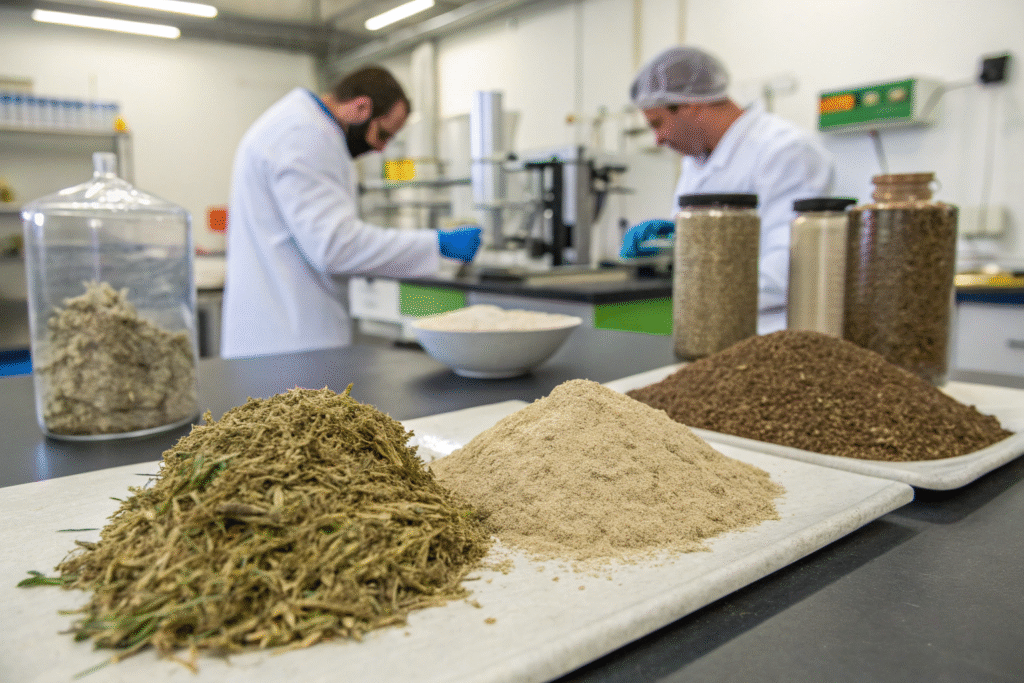
The most effective hemp blends combine the plant's natural strength with complementary fibers that address specific performance needs:
- Hemp/Organic Cotton (55/45): This popular blend maintains hemp's durability while adding cotton's softness and dye affinity, creating belts that feel comfortable immediately without breaking in
- Hemp/Recycled PET (60/40): This combination enhances abrasion resistance and provides excellent color retention while incorporating post-consumer recycled materials
- Hemp/Tencel™ (50/50): This premium blend offers exceptional drape and silky hand feel while maintaining sustainability credentials through Lyocell's closed-loop production
Each blending ratio creates slightly different characteristics, allowing manufacturers to tailor materials to specific belt styles and target markets.
How does blending impact manufacturing efficiency?
Hemp blending significantly improves textile processing efficiency compared to 100% hemp fabrics. The addition of more flexible fibers reduces stiffness during cutting and sewing operations, decreasing production time and improving consistency. Blended fabrics also accept dyes more evenly than pure hemp, resulting in better color consistency across production runs. These manufacturing advantages make hemp-blend belts more commercially viable while maintaining the core environmental benefits that make hemp attractive to sustainable brands.
How Does Hemp Integration Support Brand Sustainability Stories?
Beyond technical performance, hemp-blend fabrics provide authentic sustainability narratives that resonate with today's conscious consumers. The rich history and demonstrable environmental benefits of hemp create compelling brand stories that transcend greenwashing claims.
The most effective brand communications leverage hemp's unique characteristics to build trust and demonstrate genuine commitment to environmental responsibility through specific, verifiable claims.

What certification opportunities enhance hemp's credibility?
Hemp-blend fabrics can achieve recognized certifications that validate environmental claims:
- Global Organic Textile Standard (GOTS): Certifies organic fiber content and responsible manufacturing processes
- OEKO-TEX Standard 100: Verifies fabrics are free from harmful substances
- Regenerative Organic Certification: Emerging standard focusing on soil health and farming practices
These certifications provide third-party validation of sustainability claims, helping brands communicate their environmental commitment credibly to increasingly skeptical consumers.
How does hemp support circular economy initiatives?
Hemp-blend fabrics align with circular economy principles through multiple mechanisms:
- Design for disassembly: Natural fiber blends can be more easily separated for recycling than complex synthetic composites
- Biodegradability: At end-of-life, hemp-blend fabrics break down naturally rather than persisting in ecosystems
- Upcycling potential: Manufacturing waste can be repurposed into paper, insulation, or other products
Brands can leverage these circular characteristics to demonstrate comprehensive environmental responsibility that extends beyond simple material selection to encompass entire product lifecycles.
Conclusion
Hemp-blend fabrics represent an optimal choice for sustainable casual belts, offering an unparalleled combination of environmental benefits, performance advantages, and authentic sustainability storytelling. The material's natural durability, comfort characteristics, and minimal ecological footprint create belts that satisfy both practical needs and environmental values. As manufacturing innovations continue to improve hemp processing and blending techniques, these fabrics are positioned to play an increasingly important role in the sustainable fashion ecosystem.
If your brand is exploring hemp-blend fabrics for casual belt collections, our factory specializes in sustainable material sourcing and manufacturing. Contact our Business Director, Elaine, at elaine@fumaoclothing.com to discuss how we can help integrate hemp-blend fabrics into your sustainable accessory lines.