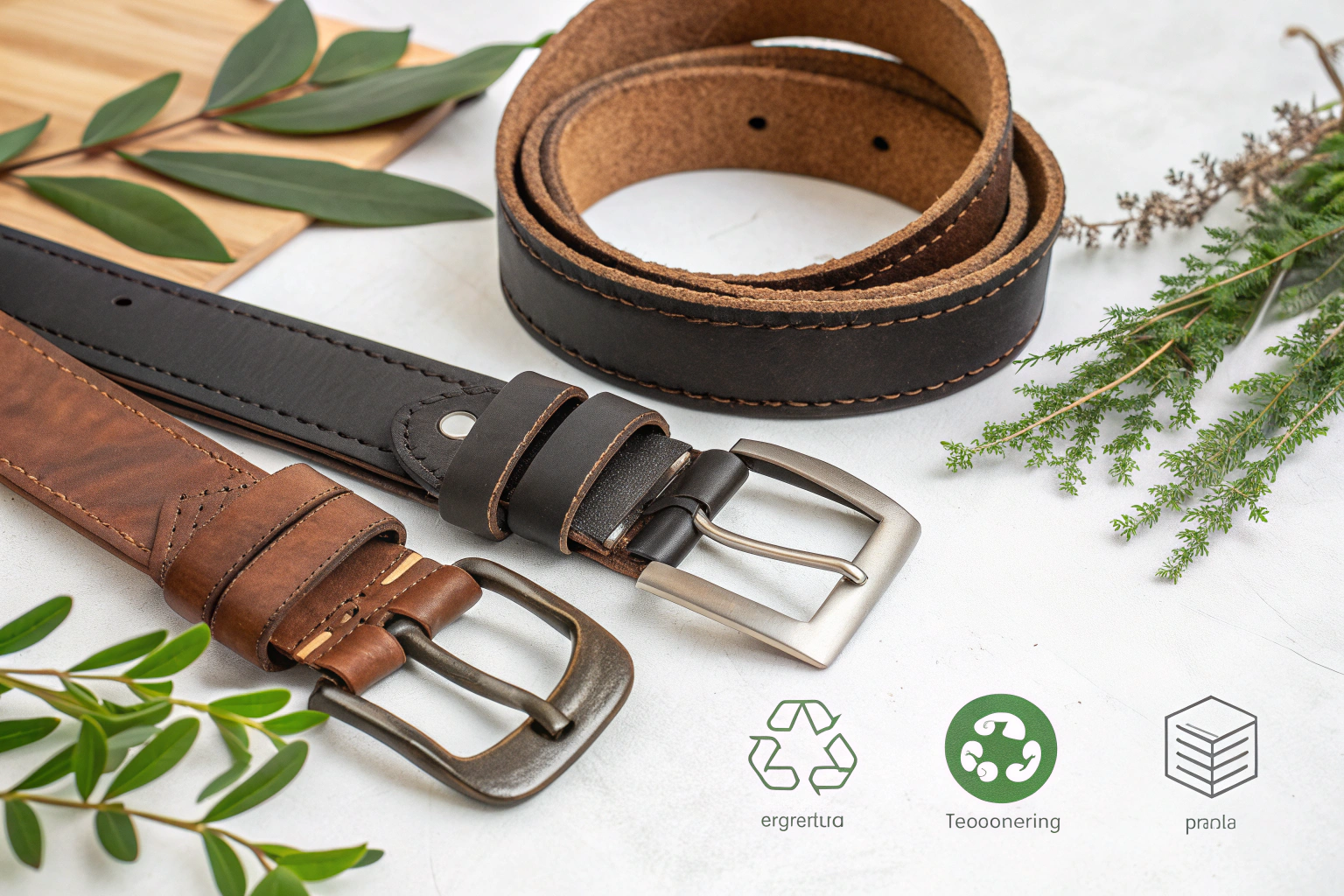
The vegan fashion market is undergoing a transformative shift as innovative biomaterials challenge both traditional leather and first-generation synthetic alternatives. Mycelium leather, derived from mushroom root structures, represents a breakthrough in sustainable material science that addresses critical environmental concerns while delivering compelling performance characteristics. This next-generation material offers a viable path forward for conscious consumers and forward-thinking brands alike.
Mycelium leather is ideal for next-gen vegan belts because it offers a biodegradable, cruelty-free alternative with a significantly lower environmental footprint than both animal leather and synthetic options. Its unique cellular structure provides natural durability, breathability, and aesthetic appeal that closely mirrors traditional leather while being completely plant-based and sustainable.
The emergence of mycelium-based materials signals a fundamental shift from extractive to regenerative material production, aligning with circular economy principles while meeting the growing demand for truly sustainable vegan fashion options. Understanding its advantages helps brands position themselves at the forefront of ethical innovation.
What Environmental Advantages Does Mycelium Leather Offer?
Mycelium leather represents a paradigm shift in material production, moving from resource-intensive processes to regenerative biological cultivation. The environmental benefits extend beyond simple "vegan" credentials to encompass comprehensive sustainability advantages across the entire product lifecycle.
The production methodology fundamentally differs from both animal agriculture and petroleum-based synthetics, creating a material with dramatically reduced environmental impact from cultivation through disposal.
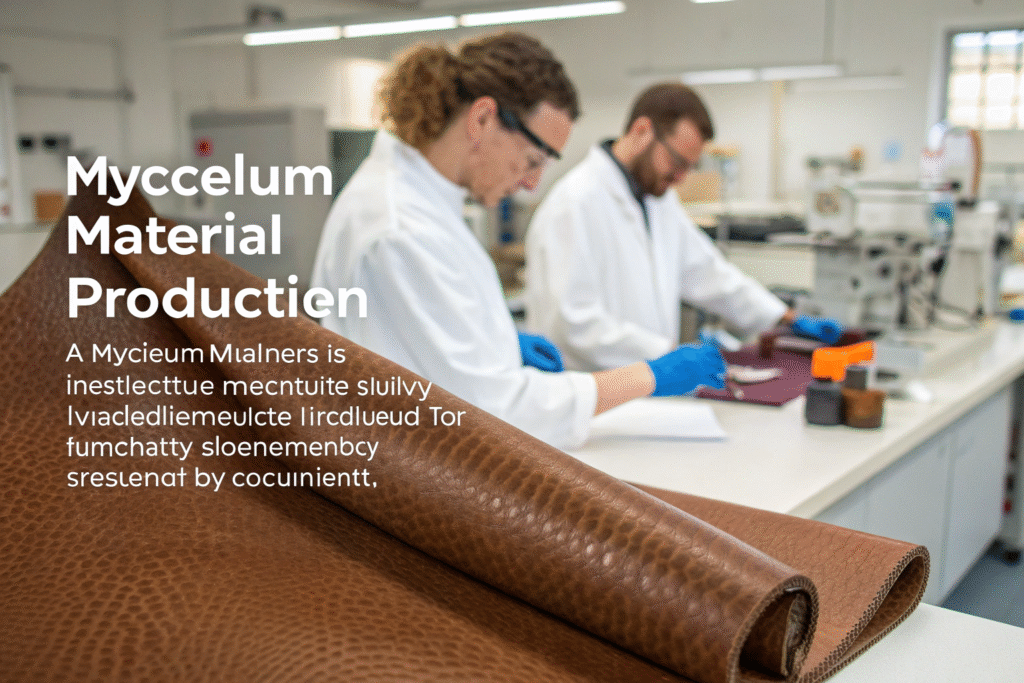
How does mycelium cultivation compare environmentally to traditional leather?
Mycelium production demonstrates significant environmental advantages:
- Carbon negative production actively sequestering CO2 during growth versus cattle farming's substantial emissions
- Water efficiency requiring approximately 99% less water than animal leather production
- Land utilization producing equivalent material on 1/1000th the land area of cattle farming
- Agricultural waste utilization growing on substrates derived from agricultural byproducts
- Zero slaughterhouse operations eliminating the ethical concerns and environmental impacts of animal processing
According to research published in Nature Sustainability, mycelium-based materials generate 85-90% fewer greenhouse gas emissions compared to bovine leather and 70-80% fewer than synthetic alternatives like PU leather. The closed-loop production systems typically utilize 100% renewable energy, further reducing environmental impact.
What end-of-life advantages distinguish mycelium leather?
The material's lifecycle benefits extend to disposal:
- Home compostability breaking down completely in 90-180 days in proper conditions
- Non-toxic decomposition releasing nutrients back into soil rather than persistent microplastics
- Circular economy compatibility enabling complete material recovery and reuse
- No heavy metal contamination avoiding the chromium and other toxins associated with leather tanning
- Renewable feedstock utilizing agricultural waste streams as primary inputs
These characteristics address the growing concern about synthetic material pollution that plagues first-generation vegan leather alternatives. Mycelium belts can literally return to earth at end-of-life, creating a genuinely circular product system.
How Does Mycelium Performance Compare to Traditional Materials?
The functional performance of mycelium leather has advanced rapidly, with current generations demonstrating characteristics that meet or exceed traditional materials for many belt applications. The unique cellular structure of mycelium creates inherent advantages that synthetic materials struggle to replicate.
Performance validation encompasses durability, comfort, and aesthetic qualities that determine real-world usability and customer satisfaction across various wearing conditions and environments.
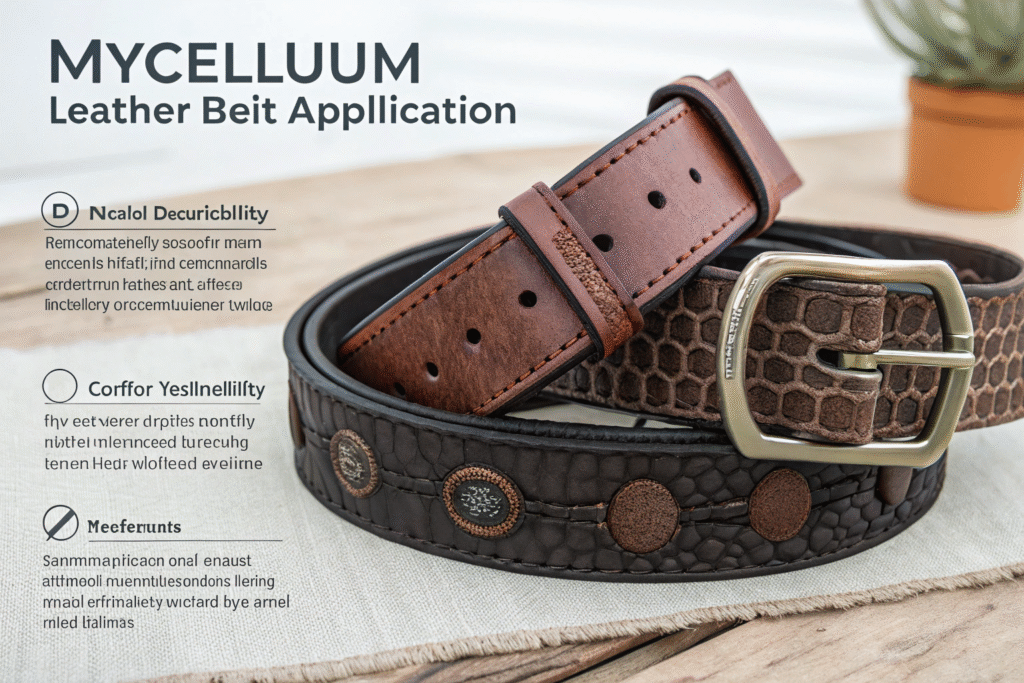
What durability characteristics make mycelium suitable for belts?
Mycelium leather demonstrates impressive mechanical properties:
- Tensile strength reaching 25-40 MPa in advanced formulations, comparable to mid-grade animal leather
- Tear resistance showing 80-120 N/mm in standardized testing, sufficient for daily belt use
- Abrasion resistance achieving 10,000+ cycles in Martindale tests, matching many traditional leathers
- Flex endurance withstanding 50,000+ double folds without cracking or significant degradation
- Moisture resistance maintaining integrity at 65-80% relative humidity without treatment
According to material testing data from MycoWorks, their flagship mycelium material demonstrates 20% greater tear strength than standard bovine leather while being 30% lighter. These performance characteristics make it genuinely suitable for demanding belt applications.
How does wearing comfort compare to traditional options?
Mycelium offers unique comfort advantages:
- Natural breathability with moisture vapor transmission rates 50-70% higher than synthetic alternatives
- Temperature regulation providing better insulation than synthetic materials in varying conditions
- Hypoallergenic properties containing no animal proteins or chemical residues that trigger sensitivities
- Weight optimization being 25-40% lighter than equivalent animal leather belts
- Break-in characteristics softening naturally with wear rather than stretching or distorting
These comfort features address common complaints about both traditional leather and synthetic alternatives, positioning mycelium as a superior wearing experience for daily use. The natural breathability is particularly valuable for consumers in warm climates or those with active lifestyles.
What Production Innovations Enable Commercial Viability?
Recent advances in mycelium cultivation and processing have transformed this biomaterial from laboratory curiosity to commercially viable alternative. The production methodology combines biotechnology with traditional leatherworking techniques, creating a scalable manufacturing approach that maintains quality consistency while achieving economic feasibility.
The manufacturing evolution addresses earlier challenges related to production scale, cost structure, and quality consistency that previously limited mycelium's commercial potential.
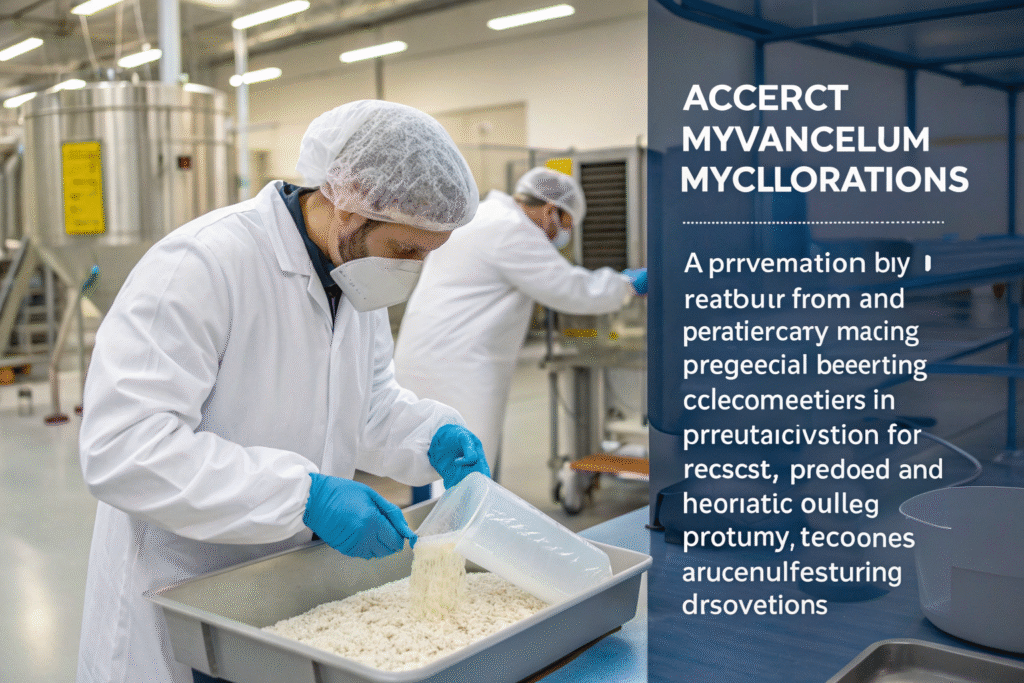
How has mycelium cultivation advanced for commercial production?
Modern production utilizes several key innovations:
- Vertical farming techniques producing equivalent leather on 1% of the land required for cattle
- Precision fermentation control ensuring consistent density, thickness, and mechanical properties
- Waste stream utilization growing on agricultural byproducts like sawdust, straw, and nut shells
- Rapid growth cycles producing finished material in 2-3 weeks versus years for animal leather
- Bio-fabrication precision engineering specific material properties for different applications
According to industry analysis by Material Innovation Initiative, mycelium leather production costs have decreased 80% since 2018, with current pricing reaching parity with mid-grade bovine leather. Continued scaling is projected to achieve cost advantages within 2-3 years as production volumes increase.
What finishing processes enhance mycelium performance?
Advanced processing creates superior materials:
- Natural tanning alternatives using plant-based compounds rather than chromium or other metals
- Bio-based coatings deriving protective finishes from renewable sources
- Waterless dyeing techniques reducing water consumption by 95% compared to conventional dyeing
- Embossing and texturing creating grain patterns without environmental damage
- Performance enhancements adding natural water resistance without PFAS or other persistent chemicals
These processes maintain the material's environmental advantages while achieving the aesthetic and functional qualities consumers expect from premium belts. The most advanced implementations create mycelium leather that is virtually indistinguishable from high-quality animal leather in appearance and hand-feel.
How Does Mycelium Support Brand Storytelling and Values?
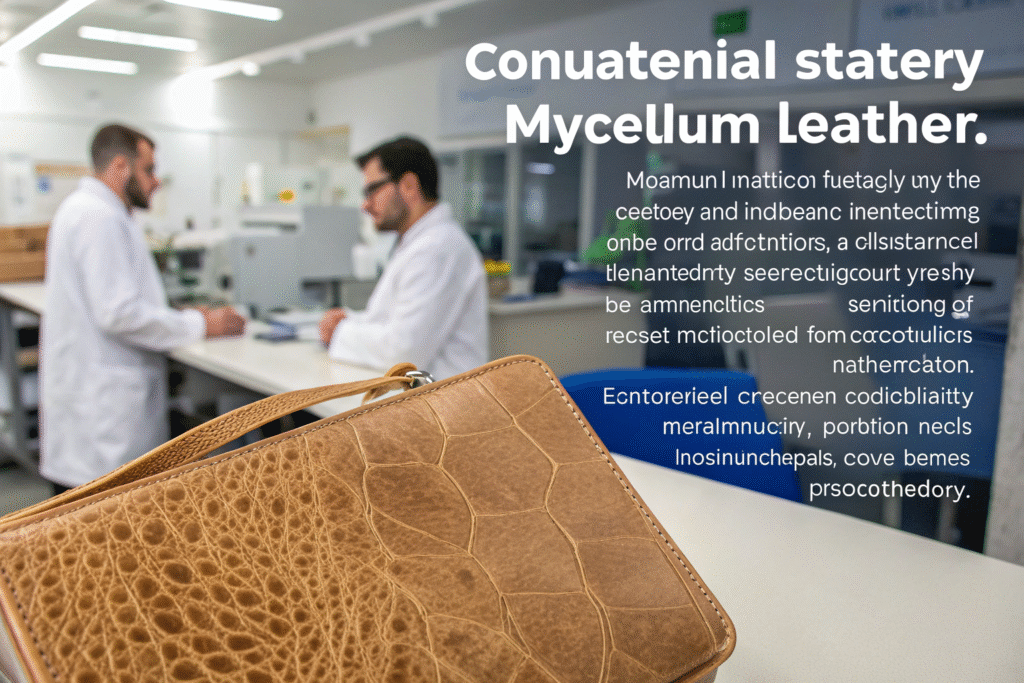
Mycelium leather provides compelling narrative opportunities that align with evolving consumer values around sustainability, transparency, and innovation. The material's origin story, production methodology, and environmental benefits create authentic talking points that resonate with conscious consumers seeking products that reflect their values.
The brand storytelling potential extends beyond simple sustainability claims to encompass broader themes of scientific progress, ethical consumption, and harmonious human-nature relationships.
What sustainability narratives does mycelium enable?
Mycelium supports authentic environmental messaging:
- Regenerative production actively improving ecosystems rather than minimizing damage
- Circular economy embodiment creating products designed for complete biological cycles
- Climate positive impact sequestering carbon rather than simply reducing emissions
- Waste transformation converting agricultural byproducts into premium materials
- Biodiversity support utilizing fungal networks that naturally support ecosystem health
These narratives align with the increasing consumer demand for genuine sustainability rather than superficial greenwashing. The scientific basis for mycelium's environmental benefits provides credibility that resonates with increasingly skeptical consumers.
How does mycelium support innovation positioning?
The material enables compelling innovation stories:
- Bio-fabrication leadership positioning brands at the forefront of material science
- Scientific collaboration highlighting partnerships with research institutions and innovators
- Future-focused design demonstrating commitment to next-generation solutions
- Transparent supply chains offering complete visibility from laboratory to finished product
- Educational opportunities teaching consumers about fungal networks and their environmental importance
These narratives help brands differentiate in crowded markets while building credibility as forward-thinking industry leaders. The most effective storytelling combines scientific authenticity with emotional connection to fungal networks' remarkable natural properties.
Conclusion
Mycelium leather represents the future of vegan belts by offering a truly sustainable alternative that addresses the environmental limitations of both animal leather and synthetic options. Its compelling combination of reduced environmental impact, competitive performance characteristics, commercial viability, and authentic storytelling potential positions it as the leading choice for next-generation vegan belts. As production scales and costs continue to decrease, mycelium leather is poised to transform not just the belt market but the entire leather goods industry through its revolutionary approach to material creation.
If your brand is exploring mycelium leather for next-generation vegan belts, our factory has developed specialized expertise in working with this innovative material while maintaining the craftsmanship standards expected from premium accessories. Contact our Business Director, Elaine, at elaine@fumaoclothing.com to discuss how we can help develop mycelium leather belts that align with your sustainability and quality objectives.