The casual belt market is increasingly dominated by synthetic materials that claim sustainability while relying on petroleum-based production. Consumers face confusing marketing claims and questionable environmental credentials. Meanwhile, traditional cotton cultivation remains one of the world's most chemically-intensive agricultural processes.
Organic cotton transforms casual braided belts by offering genuine sustainability, superior comfort, and authentic craftsmanship appeal. Unlike conventional cotton that uses 16% of the world's insecticides, organic cotton cultivation eliminates synthetic pesticides, creates healthier ecosystems, and produces fibers with exceptional breathability and softness. For braided belts specifically, organic cotton's natural texture and durability create products that age gracefully while aligning with conscious consumer values.
The global organic textile market is projected to reach $25 billion by 2028, with accessories representing the fastest-growing segment. Understanding organic cotton's tangible benefits—from field to finished product—helps brands make informed sourcing decisions that deliver both environmental and commercial advantages.
How Does Organic Cotton Cultivation Benefit the Environment?
Organic cotton farming represents a fundamental shift from conventional agricultural practices. The environmental benefits begin at the seed level and extend throughout the ecosystem. Unlike synthetic alternatives that merely reduce harm, organic cotton cultivation actively regenerates agricultural environments.
The elimination of synthetic pesticides and fertilizers protects water systems, soil health, and biodiversity. Organic fields support 50% more pollinators than conventional cotton farms and use 91% less water from blue sources (rivers and aquifers). The crop rotation practices typical of organic farming also improve soil carbon sequestration, making organic cotton fields net carbon sinks rather than sources.

What Certification Systems Verify Organic Claims?
The Global Organic Textile Standard (GOTS) provides the most comprehensive certification for organic textiles. GOTS certification requires at least 70% organic fibers and restricts harmful chemicals throughout the entire production process. The standard also includes social criteria ensuring fair labor practices, creating ethical products from field to finished goods.
The Organic Content Standard (OCS) tracks the flow of organic materials through the supply chain, providing chain-of-custody verification. For brands making specific organic claims, OCS certification provides transparent documentation of organic content percentages. These certifications prevent greenwashing by ensuring independent verification of environmental claims.
How Does Water Usage Compare to Conventional Cotton?
Organic cotton's water efficiency stems from its reliance on rainfall rather than irrigation and the healthier soil structure that better retains moisture. Conventional cotton requires approximately 2,700 liters of water to produce one t-shirt equivalent in fiber, while organic cotton uses 90% less blue water by relying primarily on rain-fed cultivation.
The Water Footprint Network data demonstrates that organic cotton's environmental advantage extends beyond chemical reduction to significant water conservation. For braided belts, this means each product carries a substantially lower water footprint than conventional cotton alternatives, providing authentic sustainability storytelling opportunities.
What Performance Advantages Does Organic Cotton Offer?
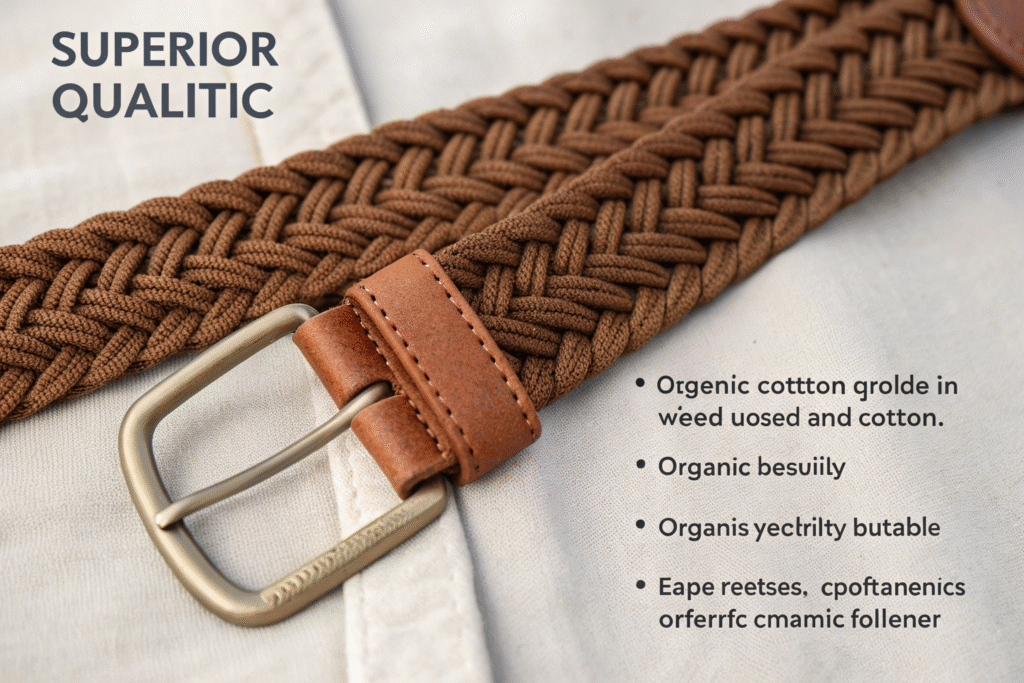
Beyond environmental benefits, organic cotton delivers tangible performance advantages that enhance braided belt functionality. The natural fibers develop differently without chemical intervention, creating superior comfort, durability, and aesthetic qualities that synthetic materials struggle to match.
Organic cotton fibers grow longer and stronger without chemical stress, resulting in yarns with higher tensile strength. The absence of chemical processing preserves the natural waxes that make cotton fibers flexible and durable. This translates to braided belts that maintain their shape and integrity through years of regular wear.
How Does Breathability Compare to Synthetic Materials?
Organic cotton's natural fiber structure allows exceptional air circulation, making braided belts more comfortable in warm conditions. The hydrophilic fibers wick moisture away from the body while remaining breathable, unlike many synthetic materials that can feel clammy against skin. This makes organic cotton belts ideal for casual wear in various climates.
The Textile Institute's research demonstrates that organic cotton maintains better thermoregulatory properties than conventional cotton due to its intact natural fiber structure. For braided belts worn directly against skin or over lightweight summer clothing, this breathability significantly enhances wearing comfort throughout the day.
What Makes Organic Cotton Ideal for Braiding Techniques?
The longer staple fibers of organic cotton create smoother, stronger yarns that braid evenly without breaking. This results in more consistent braid patterns and fewer production defects. The natural fiber elasticity allows tight braiding that maintains flexibility, creating belts that move comfortably with the body without losing their shape.
Traditional braiding techniques benefit particularly from organic cotton's natural characteristics. The fibers accept natural dyes more evenly than conventional cotton, creating richer, more colorfast results. This makes organic cotton ideal for the artisanal braiding processes that consumers increasingly value in casual accessories.
How Does Organic Cotton Support Brand Storytelling?
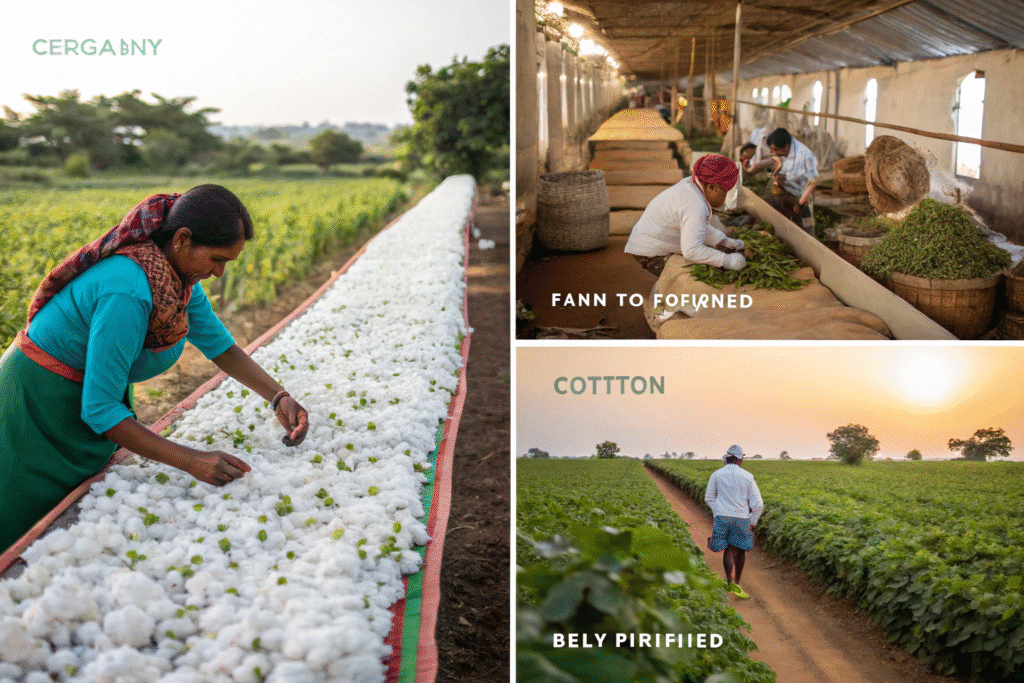
Consumers increasingly seek products with authentic stories and transparent supply chains. Organic cotton provides legitimate narrative depth that resonates with conscious consumers while differentiating products in a crowded marketplace. The story begins with seed selection and extends to the finished belt's craftsmanship.
The traceability of organic cotton from farm to product creates compelling marketing content. Brands can share information about farming communities, environmental impacts, and manufacturing processes with confidence, knowing their claims are independently verified. This transparency builds consumer trust that translates to brand loyalty.
What Consumer Demographics Value Organic Credentials?
Millennial and Gen Z consumers show particular interest in organic textiles, with 73% willing to pay premium prices for sustainably produced goods. Parents purchasing for children represent another key demographic, seeking chemical-free products for younger family members. The health-conscious market segment extends across age groups, particularly those with chemical sensitivities or environmental concerns.
The Nielsen Global Sustainability Report demonstrates that brands with credible sustainability stories grow approximately 4% faster than those without. For braided belts, organic cotton provides this story foundation while delivering tangible product benefits that justify premium positioning beyond environmental claims alone.
How Can Brands Communicate Organic Benefits Effectively?
Authentic communication focuses on specific benefits rather than vague environmental claims. Highlight the water savings, farmer health improvements, and product performance advantages. Provide transparent information about certification standards and supply chain partners to build credibility.
Visual storytelling showing organic cotton cultivation, natural dye processes, and artisanal braiding techniques creates emotional connections. The Storytelling for Sustainability framework emphasizes showing rather than telling—let the process speak for itself through behind-the-scenes content that demonstrates genuine commitment to organic principles from field to finished product.
What Are the Practical Considerations for Manufacturing?
Transitioning to organic cotton requires adjustments throughout the supply chain, but these challenges yield significant long-term benefits. Understanding the practical considerations helps brands implement organic sourcing successfully while maintaining product quality and competitive pricing.
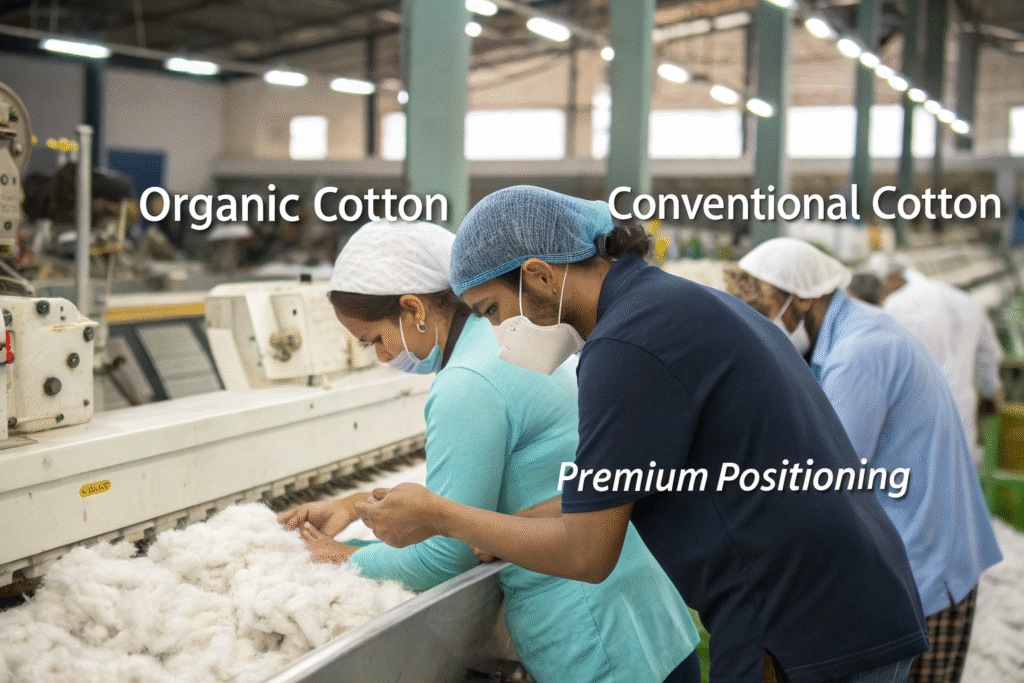
Organic cotton typically costs 20-30% more than conventional cotton at the raw material stage, but this price difference decreases through efficient manufacturing and the premium positioning possibilities. The longer, stronger fibers often result in higher production yields and fewer defects, offsetting some initial cost differences.
How Does Dyeing and Finishing Differ for Organic Cotton?
GOTS certification restricts many conventional dyes and finishing chemicals, requiring alternative approaches that maintain environmental standards. Natural dyes from plants, minerals, and insects provide beautiful color variations while aligning with organic principles. Low-impact synthetic dyes approved under GOTS offer color consistency while maintaining environmental standards.
The finishing process for organic cotton focuses on enhancing natural fiber properties rather than applying chemical treatments. Mechanical softening techniques and water-saving processes maintain the integrity of organic certification throughout manufacturing. These processes often result in fabrics that become softer with wear rather than losing quality through chemical breakdown.
What Supply Chain Partnerships Ensure Organic Integrity?
Maintaining organic certification requires traceability throughout the supply chain. Partner with GOTS-certified spinning mills, dye houses, and manufacturing facilities to ensure continuous certification from raw fiber to finished belt. Regular audits and documentation verify compliance at each production stage.
Building long-term relationships with organic cotton farmers and cooperatives ensures consistent quality and supply. The Textile Exchange's Organic Cotton Round Table provides networking opportunities with certified suppliers throughout the global organic textile ecosystem. These partnerships create supply chain resilience while supporting the growth of organic agriculture.
Conclusion
Organic cotton offers braided belt manufacturers a compelling combination of environmental benefits, performance advantages, and marketing opportunities. The genuine sustainability story resonates with increasingly conscious consumers while delivering tangible product qualities that justify premium positioning.
The transition to organic cotton represents an investment in both product quality and brand values. The slightly higher material costs are offset by enhanced consumer appeal, reduced environmental impact, and authentic storytelling opportunities that differentiate products in a competitive marketplace. As consumer awareness grows, organic credentials become increasingly valuable brand assets.
Ready to incorporate organic cotton into your casual braided belt collections? Contact our Business Director, Elaine, at elaine@fumaoclothing.com to discuss our GOTS-certified manufacturing capabilities and how organic cotton can enhance your product offerings and brand story.