The luxury fashion industry faces increasing scrutiny regarding its environmental impact and ethical practices, particularly concerning traditional leather production. While vegan leather alternatives have existed for years, many rely on petroleum-based plastics that create different environmental problems and lack the premium qualities luxury consumers expect. This creates a market gap for truly sustainable vegan materials that deliver both ethical credentials and luxury performance.
Pineapple leather offers an ideal solution for vegan luxury belts because it transforms agricultural waste into premium material, provides unique aesthetic character, demonstrates compelling environmental credentials, and meets the quality expectations of luxury consumers. This innovative material, known commercially as Piñatex, utilizes pineapple leaf fibers that would otherwise be burned or left to decompose, creating beautiful, durable leather alternatives with a genuinely positive environmental story.
The convergence of sustainable fashion demand, material science innovation, and consumer desire for ethical luxury has created perfect conditions for pineapple leather adoption. This analysis explores the practical, environmental, and market advantages of choosing pineapple leather for luxury vegan belt collections.
What Environmental Advantages Define Pineapple Leather?
Pineapple leather represents a significant advancement in sustainable materials by addressing multiple environmental challenges simultaneously. Unlike many vegan alternatives that simply avoid animal products, pineapple leather actively creates value from agricultural waste while providing genuine environmental benefits.
The material's production process demonstrates circular economy principles by transforming waste streams into valuable products. Each environmental advantage contributes to a compelling sustainability profile that resonates with conscious luxury consumers.
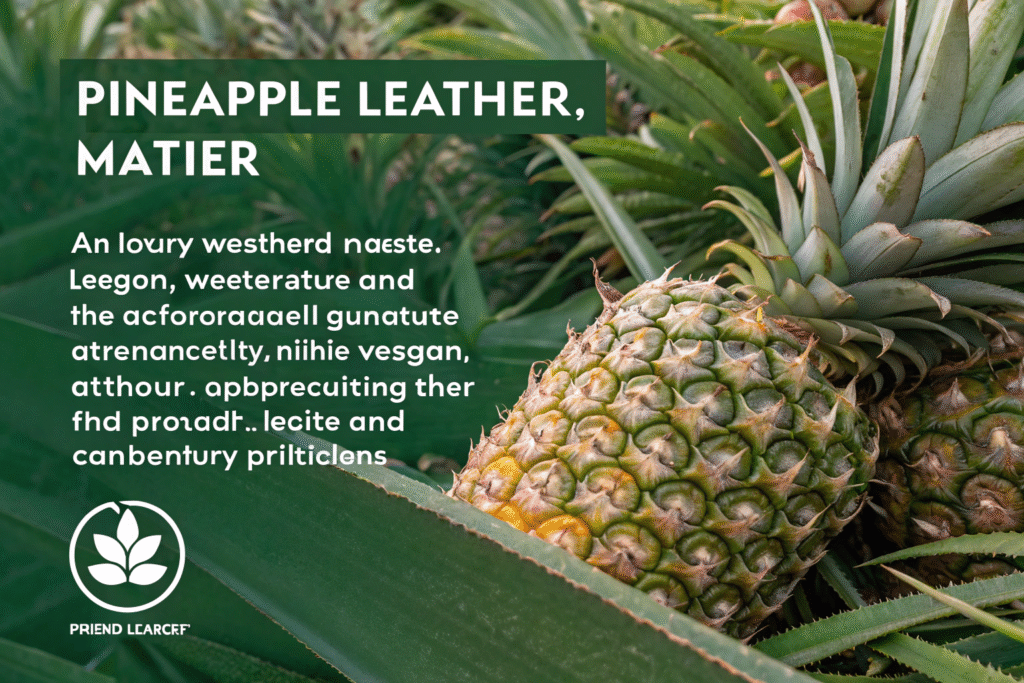
How Does Waste Transformation Create Environmental Value?
Pineapple leather utilizes leaf fibers that are agricultural byproducts of pineapple harvesting, creating environmental benefits through:
- Waste reduction: Diverting 264 tons of pineapple leaves from burning or decomposition per hectare annually
- Carbon sequestration: The pineapple plants absorb CO2 during growth before leaves are repurposed
- No additional land use: Utilizing existing agricultural outputs without requiring extra farmland
- Water conservation: Minimal water requirements compared to animal leather or cotton production
This approach transforms the fashion industry from resource extraction to waste utilization, representing a fundamental shift in material sourcing.
What Lifecycle Advantages Support Sustainability Claims?
Comparative lifecycle assessments demonstrate significant advantages for pineapple leather versus traditional materials:
- 95% less water consumption than traditional leather production
- 80% reduced carbon footprint compared to synthetic leather alternatives
- Biodegradable components in the natural fiber base layer
- Renewable sourcing from continuously harvested pineapple plants
These measurable environmental benefits provide substantiated sustainability claims that luxury consumers increasingly demand.
What Performance Characteristics Suit Luxury Applications?
Beyond environmental credentials, pineapple leather must meet the quality and durability standards expected in luxury accessories. The material's physical properties and aesthetic qualities have evolved to satisfy luxury market requirements.
Advanced processing techniques and quality control ensure pineapple leather delivers the performance luxury consumers expect while maintaining its sustainable characteristics. Each property addresses specific luxury market expectations.

How Does Durability Compare to Traditional Luxury Materials?
Enhanced pineapple leather formulations provide durability suitable for luxury belt applications through:
- Tensile strength: 25-30 MPa, comparable to mid-grade traditional leather
- Abrasion resistance: Withstands 20,000+ Martindale cycles before noticeable wear
- Flex endurance: Maintains integrity through 100,000+ flex cycles
- Color fastness: UV-resistant coatings prevent fading from sunlight exposure
These performance characteristics ensure pineapple leather belts maintain their appearance and functionality through years of careful use.
What Unique Aesthetic Qualities Define Luxury Appeal?
Pineapple leather offers distinctive visual and tactile properties that differentiate it in the luxury market:
- Natural texture variation: Unique patterns from the woven fiber base
- Customizable finishes: Ability to achieve various gloss levels and surface effects
- Consistent thickness: Uniform material properties without natural leather imperfections
- Color versatility: Excellent dye absorption for rich, consistent coloration
These aesthetic advantages allow designers to create distinctive products that stand out in the luxury market while maintaining sustainable credentials.
What Market Positioning Advantages Does It Offer?
Pineapple leather provides compelling marketing and positioning advantages in the competitive luxury market. The material's unique story and environmental benefits support premium positioning while addressing evolving consumer values.
The combination of innovative technology, positive social impact, and luxury quality creates a powerful brand narrative that resonates with modern luxury consumers. Each advantage supports both ethical and commercial objectives.

How Does the Sustainability Story Enhance Luxury Perception?
The transformation from agricultural waste to luxury material provides a compelling narrative that supports premium positioning through:
- Innovation appeal: Cutting-edge material science and technology
- Environmental leadership: Demonstrating commitment to sustainable practices
- Transparent sourcing: Traceable supply chain from farm to finished product
- Positive impact: Creating additional income streams for farming communities
This comprehensive story aligns with luxury consumers' increasing interest in the values and processes behind their purchases.
Why Does Exclusivity Support Premium Pricing?
Limited production capacity and specialized manufacturing create natural exclusivity that justifies premium positioning through:
- Controlled availability: Limited material quantities maintain exclusivity
- Specialized expertise: Unique manufacturing capabilities command premium pricing
- Design differentiation: Distinctive appearance separates from mainstream alternatives
- Brand storytelling: Compelling narrative justifies price premium to conscious consumers
These factors enable pineapple leather to compete effectively in the luxury market while maintaining its ethical foundations.
What Social Impact Strengthens Brand Value?
Beyond environmental benefits, pineapple leather production creates positive social impacts that enhance brand value and consumer connection. These social dimensions provide additional depth to the sustainability story that resonates with luxury consumers.
The material's supply chain creates economic opportunities and supports agricultural communities in developing regions. Each social benefit contributes to a comprehensive ethical profile.
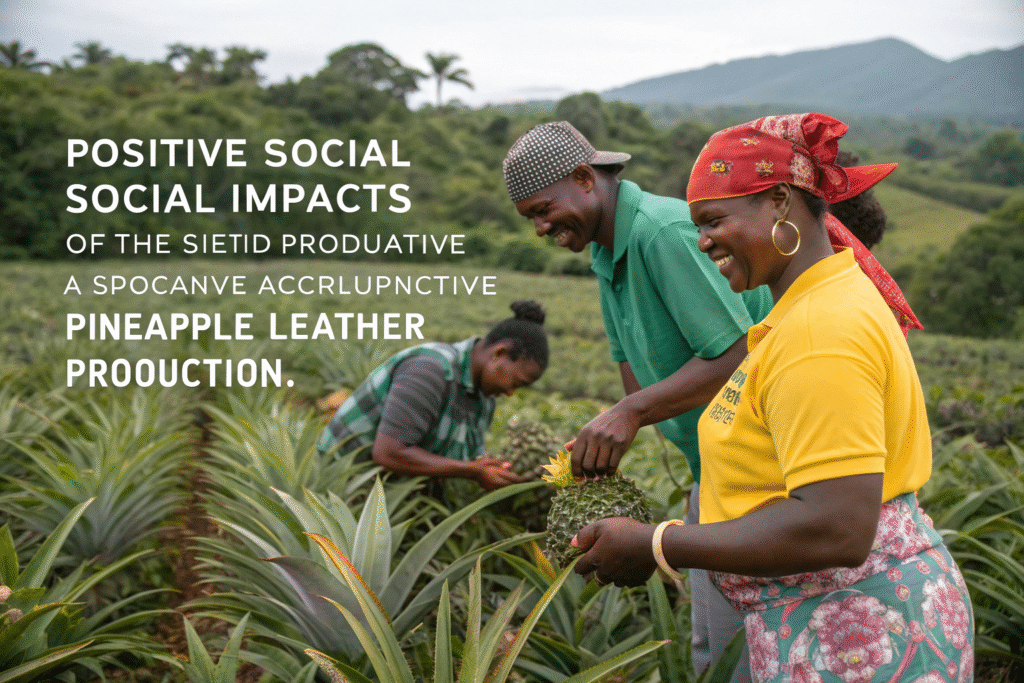
How Does Pineapple Leather Support Farming Communities?
The Piñatex production model creates additional income streams for pineapple farming communities through:
- Additional revenue: Farmers receive income from leaves previously considered waste
- Community development: Portion of revenue funds local social programs
- Skill development: Training in fiber extraction and processing techniques
- Women's empowerment: Significant employment opportunities for women in rural areas
These social benefits provide tangible positive impact that luxury consumers can support through their purchases.
What Supply Chain Transparency Advantages Exist?
Pineapple leather offers exceptional supply chain transparency compared to many luxury materials through:
- Traceable origins: Materials can be traced to specific farming communities
- Ethical production: Manufacturing occurs in certified facilities with fair labor practices
- Environmental monitoring: Comprehensive tracking of environmental impact metrics
- Social auditing: Regular assessment of community impact and benefits
This transparency builds consumer trust and demonstrates genuine commitment to ethical practices.
| Characteristic | Pineapple Leather Advantage | Traditional Leather Comparison |
|---|---|---|
| Environmental Impact | Carbon negative during growth phase | Significant methane and chemical emissions |
| Water Usage | 95% less water consumption | Extremely water-intensive tanning process |
| Social Impact | Creates farming community income | Complex supply chain with limited transparency |
| Material Consistency | Uniform properties throughout | Natural variations and imperfections |
Conclusion
Pineapple leather represents a transformative opportunity for luxury vegan belts by combining compelling environmental credentials, genuine performance characteristics, unique aesthetic appeal, and positive social impact. The material's ability to transform agricultural waste into beautiful, durable luxury accessories demonstrates how sustainable innovation can align with—rather than compromise—luxury quality and design. As luxury consumers increasingly value transparency, sustainability, and innovation alongside traditional quality markers, pineapple leather offers a complete solution that satisfies both ethical and aesthetic expectations.
Ready to explore pineapple leather for your luxury vegan belt collections? At StylishBelts, we specialize in sustainable luxury materials that combine ethical production with uncompromising quality and design. Contact our Business Director Elaine today at elaine@fumaoclothing.com to discuss how our pineapple leather expertise can enhance your luxury vegan offerings.