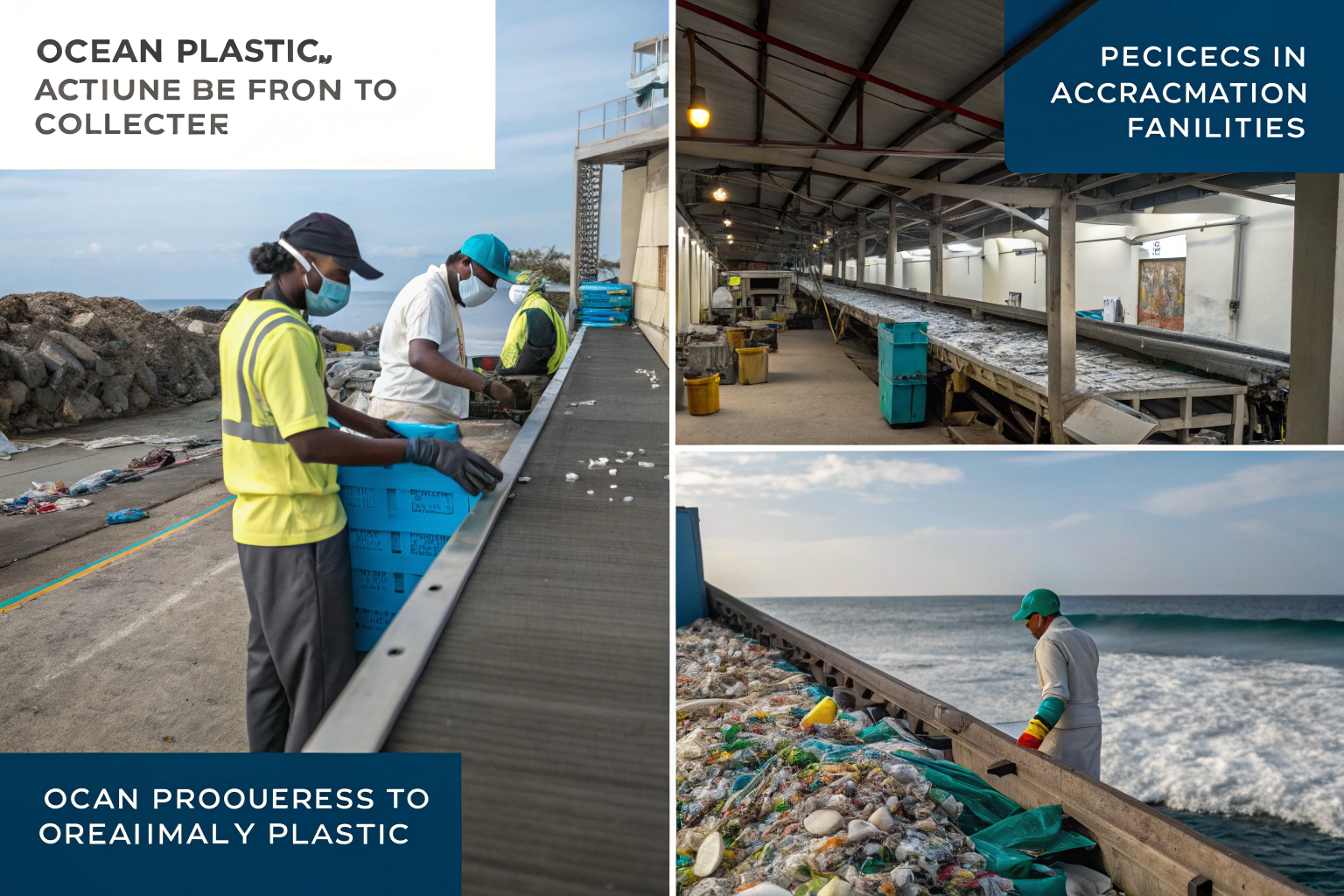
The fashion industry's environmental impact has come under intense scrutiny, with synthetic accessories contributing significantly to the 8 million tons of plastic entering our oceans annually. As consumers become increasingly environmentally conscious, they're demanding more than just green marketing—they want products that actively address ecological problems. How can belt manufacturers respond with authentic solutions rather than superficial sustainability? The answer lies in transforming ocean plastic pollution from an environmental crisis into a valuable resource.
Choosing recycled ocean plastic for eco-conscious belts addresses critical environmental issues while creating compelling brand stories that resonate with modern consumers. This approach directly removes plastic waste from marine ecosystems, reduces demand for virgin petroleum-based materials, supports circular economy innovation, and provides tangible environmental benefits that customers can understand and support. Beyond ecological advantages, ocean plastic belts offer unique aesthetic qualities and material properties that differentiate them in a crowded market.
The case for ocean plastic extends beyond environmental ethics to encompass material performance, consumer engagement, and brand differentiation. Let's examine the environmental impact, material innovations, consumer response, and production considerations that make recycled ocean plastic a compelling choice for forward-thinking belt brands.
What Environmental Benefits Does Ocean Plastic Offer?
The environmental advantages of using recycled ocean plastic extend far beyond waste reduction to encompass broader ecological benefits that address multiple sustainability challenges simultaneously.
Key environmental benefits include direct waste removal from marine ecosystems, significant carbon footprint reduction compared to virgin plastics, conservation of petroleum resources, and prevention of microplastic formation. Each kilogram of ocean plastic used in belts represents material that won't harm marine life or break down into environmentally persistent microplastics.

How Does Ocean Plastic Recovery Protect Marine Ecosystems?
Ocean plastic recovery directly protects marine ecosystems by removing debris that entangles wildlife, is mistaken for food by marine animals, and damages fragile habitats like coral reefs. The material used in eco-conscious belts typically comes from coastal collection programs that intercept plastic before it reaches the open ocean, where recovery becomes exponentially more difficult and expensive. These collection efforts often provide economic opportunities for coastal communities while addressing a critical environmental threat. Research from The Ocean Cleanup demonstrates that coastal interception can prevent up to 80% of river-born plastic from reaching ocean environments.
What Carbon Reduction Advantages Does This Material Provide?
Recycled ocean plastic provides significant carbon reduction advantages because it bypasses the most energy-intensive stages of plastic production: petroleum extraction and resin manufacturing. Processing collected ocean plastic into usable pellets typically consumes 70-80% less energy than producing virgin plastic from crude oil. This translates to approximately 3-4 kg of CO2 reduction per kilogram of material compared to conventional nylon or polyester production. Lifecycle assessment data from Ellen MacArthur Foundation confirms the substantial carbon advantages of recycled ocean plastics across multiple impact categories.
What Material Properties Make Ocean Plastic Viable?
Beyond environmental credentials, ocean plastic must perform as a belt material that meets consumer expectations for durability, appearance, and comfort. Recent advancements have transformed this waste material into a high-performance textile.
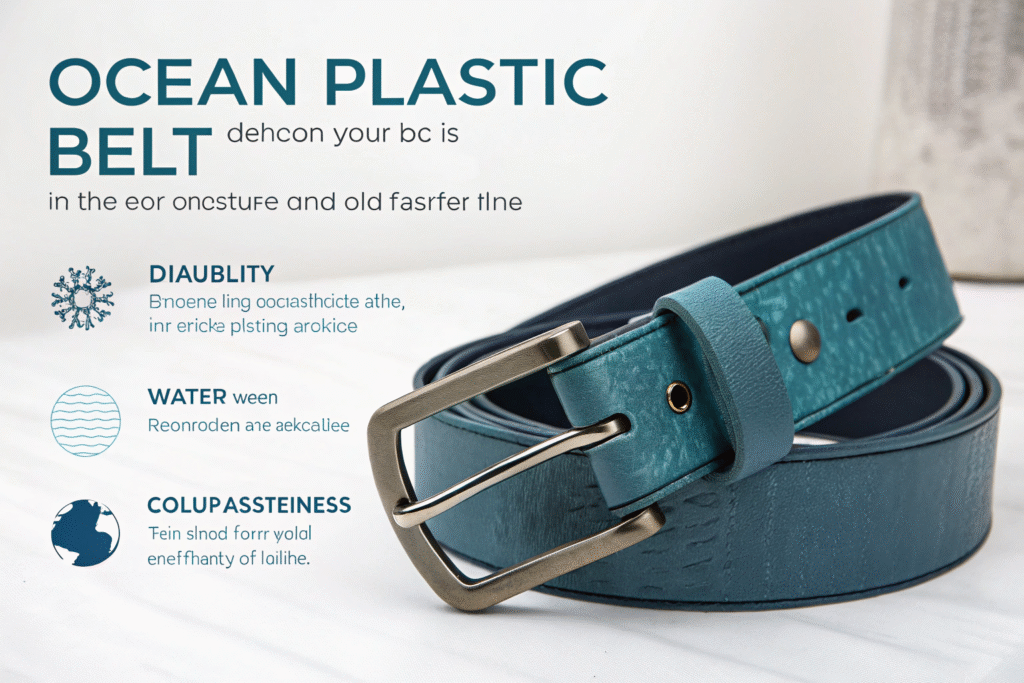
Ocean plastic belts offer excellent durability, water resistance, colorfastness, and unique aesthetic character that cannot be replicated with virgin materials. The processing techniques have evolved to create consistent, high-quality materials suitable for fashion applications.
How Does Processed Ocean Plastic Achieve Quality Consistency?
Processed ocean plastic achieves quality consistency through sophisticated sorting, cleaning, and extrusion processes that transform mixed waste streams into uniform pellets. Advanced washing systems remove salt, biological matter, and contaminants, while optical sorting technology separates different plastic types. The material then undergoes multiple filtration stages during extrusion to remove impurities and create consistent polymer strands suitable for weaving into durable belt webbing. Manufacturing standards from The Association of Plastic Recyclers ensure processed ocean plastic meets quality benchmarks for fashion applications.
What Unique Aesthetic Qualities Does Ocean Plastic Offer?
Ocean plastic offers unique aesthetic qualities including subtle color variations that reflect its marine origins, a slightly textured surface that reveals its recycled nature, and the ability to incorporate visual elements that tell its environmental story. Unlike virgin plastics that achieve perfect uniformity, ocean plastic often retains slight imperfections that communicate authenticity and transformation. These characteristics align with consumer preferences for products that show rather than just tell their sustainable attributes. Market research from WGSN identifies authentic sustainability signaling as a key consumer trend driving purchasing decisions.
How Do Consumers Respond to Ocean Plastic Products?
Consumer response to ocean plastic products extends beyond environmental appreciation to encompass emotional connection, brand alignment, and willingness to pay premiums for authentic sustainability.
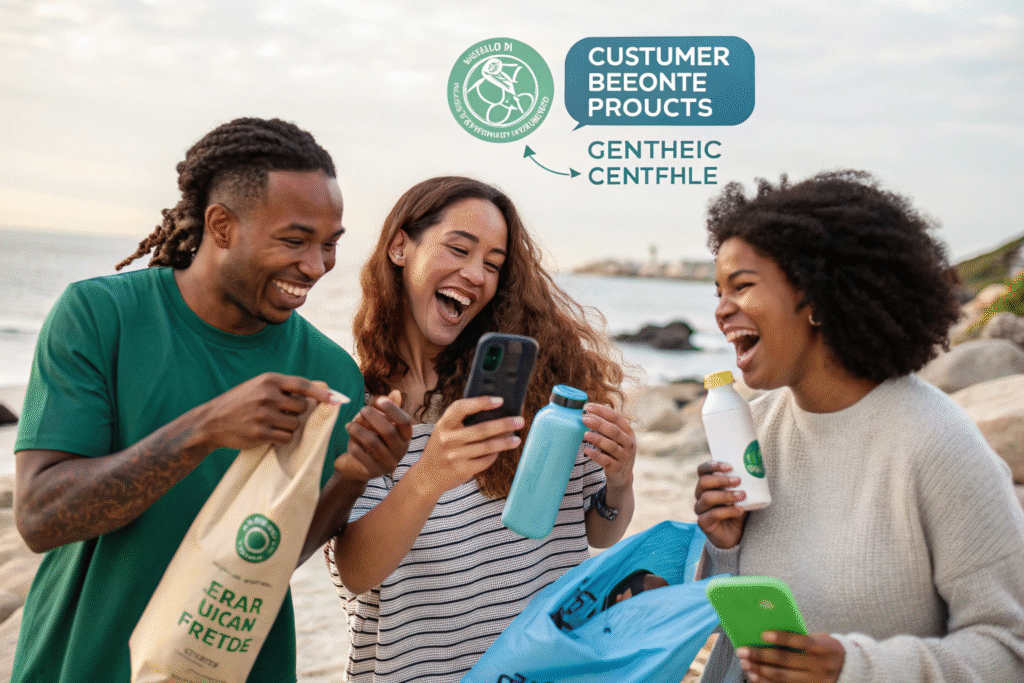
Market response includes strong emotional engagement with products that solve environmental problems, increased brand loyalty for companies addressing ocean plastic, premium pricing acceptance, and higher social media sharing rates for products with compelling environmental stories.
What Emotional Connections Drive Purchasing Decisions?
Emotional connections driving purchasing decisions include the desire to participate in environmental solutions, pride in owning products that represent positive change, and satisfaction from supporting circular economy principles. Ocean plastic products transform consumers from passive purchasers into active participants in environmental stewardship, creating deeper brand relationships than conventional products. Psychological research from Journal of Environmental Psychology demonstrates that products enabling environmental action generate stronger emotional attachments and higher perceived value.
How Much Premium Will Consumers Pay for Ocean Plastic?
Consumers demonstrate willingness to pay 20-40% premiums for products made from verified ocean plastic, with higher acceptance for accessories that visibly communicate their sustainable attributes. This premium reflects both the higher processing costs and the perceived value of contributing to environmental solutions. The most successful products clearly communicate their environmental impact—such as "removes X plastic bottles from oceans"—making the premium feel justified rather than arbitrary. Pricing research from Deloitte shows sustainability premiums are highest when environmental benefits are specific, measurable, and understandable.
What Production Considerations Ensure Successful Implementation?
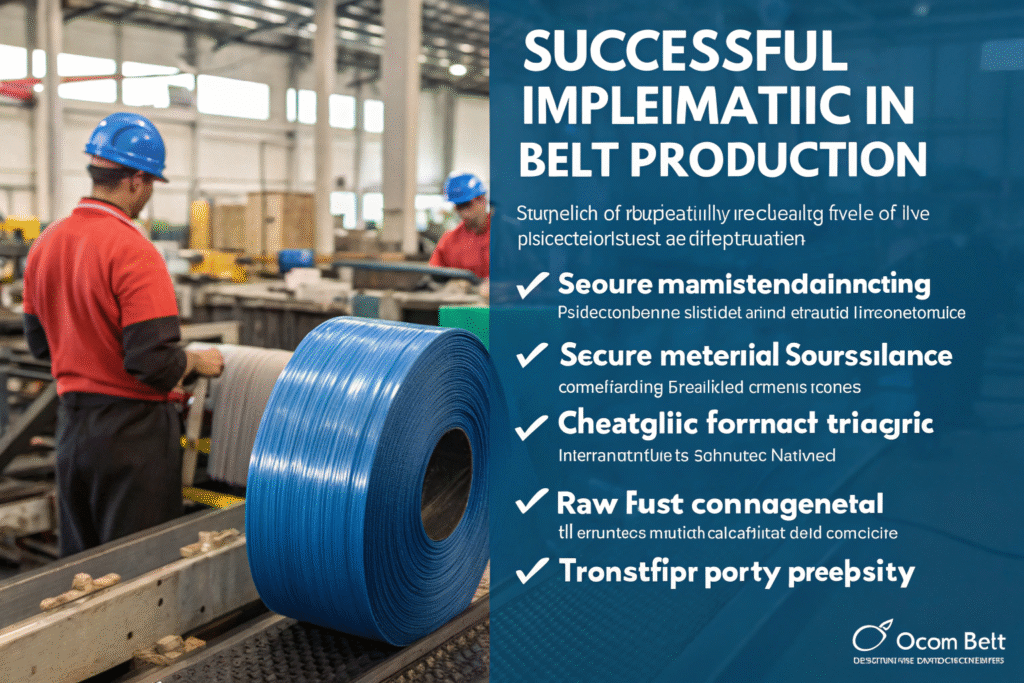
Successfully implementing ocean plastic in belt production requires addressing supply chain, manufacturing, certification, and cost considerations that differ from conventional materials.
Key production considerations include secure material sourcing, specialized manufacturing processes, third-party certification for credibility, and strategic cost management. These elements ensure both environmental integrity and commercial viability.
How Can Brands Ensure Authentic Ocean Plastic Sourcing?
Brands can ensure authentic ocean plastic sourcing by partnering with certified collection organizations, implementing chain-of-custody documentation, using third-party verification, and selecting suppliers with transparent operations. The most credible programs work with organizations like Ocean Recovery Group or Parley for the Oceans that provide certified ocean plastic with documented origins. Maintaining separate processing lines for ocean plastic prevents mixing with conventional recycled materials and preserves the environmental story.
What Manufacturing Adaptations Does Ocean Plastic Require?
Ocean plastic requires manufacturing adaptations including modified extrusion temperatures to account for polymer degradation, additional filtration to remove microscopic contaminants, and adjusted weaving parameters to accommodate slight material variations. These adaptations ensure consistent quality despite the unique challenges of marine-sourced plastic. Manufacturers experienced with ocean plastic typically run dedicated production lines and conduct more frequent quality checks to maintain standards. Technical guidelines from The Sustainable Apparel Coalition provide manufacturing protocols for working with ocean plastic and other challenging recycled materials.
How Does Ocean Plastic Support Brand Storytelling?
Ocean plastic provides powerful narrative elements that help brands communicate their environmental commitment in ways that resonate with consumers and differentiate from competitors.
Effective brand storytelling with ocean plastic includes transparent supply chain narratives, measurable environmental impact communication, community benefit highlighting, and educational content that raises awareness about ocean conservation.

What Story Elements Resonate Most with Consumers?
Story elements that resonate most include specific quantities of plastic removed from environments, geographic origins of the material, community impact from collection programs, and visual evidence of the transformation from waste to product. Consumers respond particularly well to stories that connect individual purchases to tangible environmental outcomes, such as "this belt removes 25 plastic bottles from coastal areas." Narrative structures identified by StoryBrand provide frameworks for creating compelling environmental stories that drive engagement and sales.
How Can Brands Avoid Greenwashing Accusations?
Brands can avoid greenwashing accusations by providing specific, verifiable data about their ocean plastic use, obtaining third-party certifications, transparently acknowledging limitations, and avoiding exaggerated environmental claims. The most credible approaches clearly distinguish between ocean-bound plastic (collected from coastal areas) and ocean plastic (recovered from marine environments), as each has different environmental impacts and collection challenges. Guidelines from Federal Trade Commission's Green Guides help brands make environmental claims that are truthful, substantiated, and not misleading.
Conclusion
Choosing recycled ocean plastic for eco-conscious belts represents a powerful convergence of environmental responsibility, material innovation, and consumer engagement. This approach transforms a critical ecological problem into a fashion solution that delivers authentic sustainability benefits while creating products that consumers feel good about purchasing and wearing.
The success of ocean plastic belts demonstrates how environmental challenges can become business opportunities when approached with innovation and integrity. If you're looking to develop eco-conscious belt collections that leverage the powerful story and performance of ocean plastic, our manufacturing expertise includes specialized experience with this innovative material. Contact our Business Director, Elaine, to discuss how we can create ocean plastic belts that align with your brand's environmental values and quality standards. Reach out to Elaine at elaine@fumaoclothing.com. Let's create accessories that protect our oceans while serving your customers.