The demand for durable, high-performance nylon belts is surging, but so is the pressure to make eco-conscious choices. Many brands are caught between delivering on function and meeting their sustainability goals, often worrying that "green" materials mean compromising on quality.
Choosing Recycled PET (rPET) for performance nylon belts directly addresses this conflict. It transforms post-consumer plastic waste, like bottles, into a high-strength, durable, and fully recyclable fabric that meets or even exceeds the performance of virgin nylon, all while significantly reducing environmental impact.
This shift is not just a trend; it's a smart business and ethical decision. Let's explore why rPET is the superior material for your next line of performance belts.
What is rPET and How is it Made?
Understanding the origin of rPET is key to appreciating its value. It's a story of innovation that turns waste into a high-performance resource.
rPET, or recycled polyethylene terephthalate, is a polyester fiber made from recycled plastic products, primarily plastic bottles. The process involves collecting, cleaning, and shredding the plastic, then melting it down to create new polyester yarns without the need for new petroleum extraction.

How are Plastic Bottles Transformed into Belt Fabric?
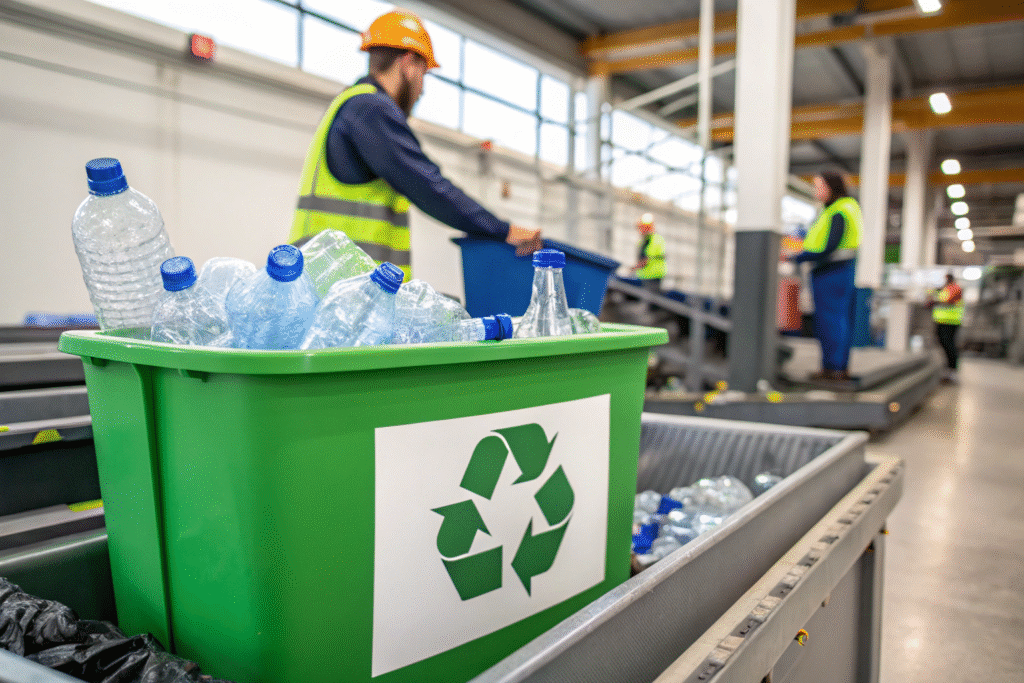
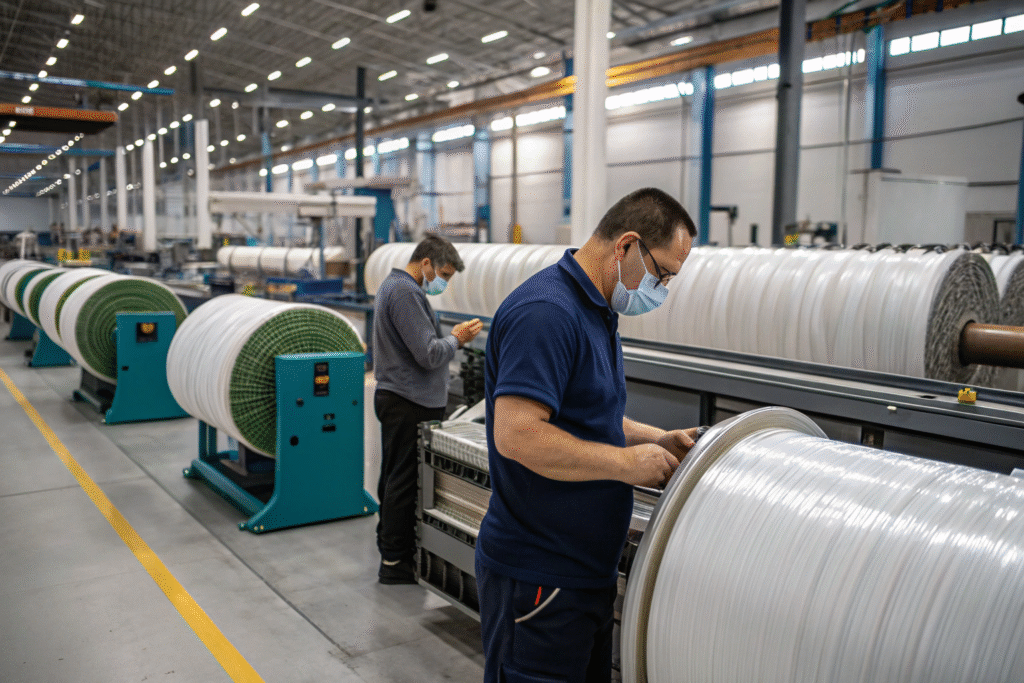
The journey begins with the collection of post-consumer PET bottles. These bottles are thoroughly sorted, cleaned, and stripped of labels and caps. They are then crushed into tiny flakes. These flakes are melted and extruded through a spinneret to create new, continuous filaments of rPET yarn. This yarn is then spun, textured for strength and softness, and woven into the robust fabric used for high-performance nylon belts. This entire process gives a second life to waste that would otherwise sit in a landfill for centuries.
Is the Quality of rPET Comparable to Virgin Nylon?
Absolutely. The mechanical recycling process used for high-grade rPET produces a fiber with exceptional tensile strength and durability. For applications like webbed belts and technical outdoor gear, rPET fabric demonstrates excellent abrasion resistance and color fastness. In many cases, the resulting material is nearly identical in performance to virgin nylon, making it a perfect, drop-in replacement for eco-conscious product lines without any sacrifice in quality or reliability.
What are the Performance Benefits of rPET Belts?
Beyond sustainability, rPET delivers on the critical functional requirements that define a true performance belt.
Belts made from rPET are not just "green"; they are engineered to perform under pressure. They offer a unique combination of strength, light weight, and practical usability that makes them ideal for various demanding applications.

How Strong and Durable is rPET Webbing?
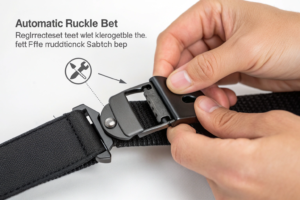
The strength of a belt is paramount. rPET webbing is renowned for its high tensile strength, often matching or surpassing that of standard virgin materials. It is highly resistant to abrasion, tearing, and UV degradation, ensuring the belt maintains its integrity through rigorous use. This makes it an excellent choice for heavy-duty casual belts, tactical belts, and outdoor adventure gear where failure is not an option. The inherent durability of the material translates directly into product longevity and customer satisfaction.
Are rPET Belts Lightweight and Quick-Drying?
Yes, this is a key advantage. rPET fabric is inherently less dense than many alternative materials, resulting in a lighter belt that is more comfortable for all-day wear. Furthermore, rPET has very low water absorption. Unlike some natural fibers, it dries incredibly quickly, making it resistant to mildew and odor. This quick-dry property is a significant performance benefit for active lifestyles, travel, and any environment where moisture is a factor, ensuring comfort and functionality in diverse conditions.
How Does rPET Support Sustainability Goals?
Choosing rPET is one of the most direct actions a brand can take to reduce its environmental footprint and appeal to the modern consumer.
The environmental argument for rPET is powerful and multi-faceted, impacting everything from resource conservation to waste reduction and carbon emissions.
| Sustainability Aspect | Impact of Using rPET |
|---|---|
| Resource Conservation | Reduces reliance on crude oil (a virgin polyester feedstock) |
| Waste Reduction | Diverts plastic bottles from landfills and oceans |
| Energy & Water Use | Requires less energy and water to produce than virgin polyester |
| Carbon Footprint | Significantly lower greenhouse gas emissions versus virgin materials |
Does rPET Help Reduce Plastic Waste?
Directly and measurably. By creating a demand for rPET, manufacturers like StylishBelts create a market for recycled plastics. Every meter of rPET webbing used in our belts represents multiple plastic bottles that have been diverted from the waste stream. This circular approach tackles the global plastic pollution crisis head-on, transforming a problem into a high-value product. It's a powerful story that brands can share with their customers to demonstrate genuine environmental commitment.
What is the Carbon Footprint of rPET vs. Virgin Nylon?
The production of rPET has a substantially lower carbon footprint compared to virgin nylon or polyester. Manufacturing virgin polyester is an energy-intensive process that involves extracting and processing petroleum. In contrast, creating rPET from existing plastic bottles skips this most energy-intensive step. Studies show that producing rPET can reduce energy consumption by up to 50% and lower greenhouse gas emissions by a similar margin. This makes rPET a critical material for brands aiming to meet their ESG (Environmental, Social, and Governance) targets.
Is rPET a Cost-Effective Choice for Belt Production?
A common misconception is that sustainable materials are inherently more expensive. With rPET, the economic case is becoming increasingly compelling.
While pricing can fluctuate with market demand for recycled materials, the long-term cost trajectory and overall value proposition of rPET make it a smart economic choice.
How Does the Price of rPET Compare to Virgin Materials?
As recycling technology advances and scales, the cost of high-quality rPET has become highly competitive with virgin nylon. In many cases, the price difference is minimal, and when you factor in the marketing value and potential for premium branding, rPET often presents a superior return on investment. Furthermore, as governments worldwide implement stricter regulations and taxes on virgin plastics and packaging, the economic advantage of using recycled materials like rPET is only expected to grow.
Can Using rPET Provide a Marketing Advantage?
Without a doubt. In today's market, sustainability is a powerful differentiator. A belt made from rPET allows you to tap into the growing consumer base that prioritizes eco-friendly purchases. This "green" story enhances brand image, fosters customer loyalty, and can even justify a slight price premium. It provides a tangible, marketable benefit that goes beyond the product's physical function, allowing you to connect with your audience on a deeper, values-driven level.
Conclusion
Choosing Recycled PET for performance nylon belts is a clear win-win. It delivers the high strength, durability, and lightweight performance required for demanding applications while making a substantial positive impact on the environment by reducing plastic waste and carbon emissions. It's a responsible choice that also makes sound business sense, offering a compelling story for your customers and a competitive edge in the market.
Ready to elevate your belt line with high-performance, sustainable materials? At StylishBelts, we specialize in creating premium belts using recycled PET and other innovative materials. Let's collaborate to build a product that performs for your customers and the planet. Contact our Business Director, Elaine, to start your order: elaine@fumaoclothing.com.