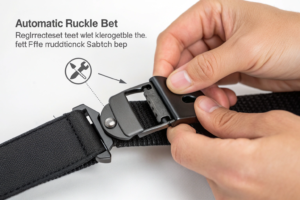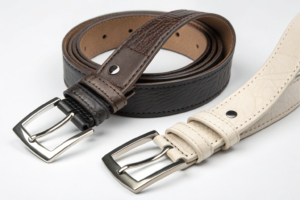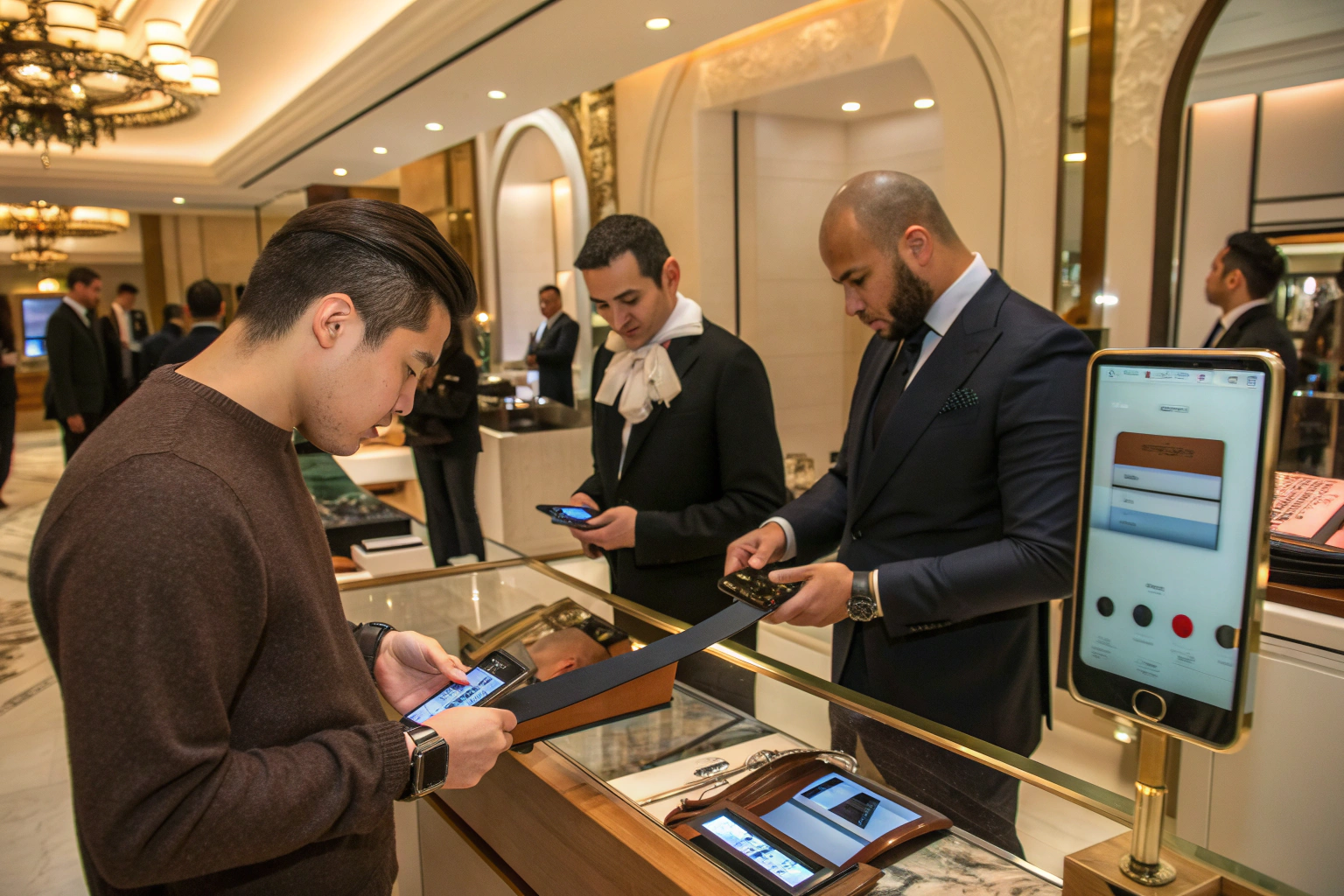
The luxury goods market faces an escalating crisis with counterfeit products now representing 3.3% of global trade, costing legitimate brands over $500 billion annually. For luxury belts specifically, sophisticated counterfeiting operations have made visual authentication increasingly difficult even for trained experts. How can luxury belt brands protect their intellectual property and assure customers of authenticity in this challenging environment?
RFID tracking is chosen for luxury belt authentication because it provides unforgeable digital identity, enables seamless customer verification, supports supply chain transparency, and creates opportunities for enhanced customer experiences. Unlike holograms, certificates, or QR codes that can be replicated, encrypted RFID chips embedded during manufacturing create unique digital fingerprints that cannot be duplicated, providing 99.9% authentication accuracy compared to 70-80% for visual authentication methods.
The implementation of RFID technology represents a fundamental shift from reactive anti-counterfeiting to proactive authentication. Let's examine the security advantages, customer experience benefits, supply chain applications, and brand protection capabilities that make RFID the preferred authentication solution for luxury belts.
What Security Advantages Does RFID Offer Over Traditional Methods?
Traditional authentication methods have proven increasingly vulnerable to sophisticated counterfeiting operations, necessitating more advanced technological solutions.
Security advantages include encryption capabilities, physical integration, data complexity, and system integration. Each element creates layers of protection that are economically impractical for counterfeiters to replicate.

How Does RFID Encryption Prevent Duplication?
RFID encryption prevents duplication through cryptographic protocols that require private keys to read or write data, making chips impossible to clone without access to manufacturer-level security credentials. Luxury brands typically use high-frequency (HF) RFID chips with 128-bit or 256-bit encryption that generate unique authentication codes for each verification attempt. These systems often incorporate time-based one-time passwords (TOTP) that change periodically, ensuring even intercepted authentication data becomes useless quickly. Security standards from the International Organization for Standardization (ISO/IEC 29167) specify encryption protocols for RFID authentication.
Why Can't Counterfeiters Replicate Embedded RFID Systems?
Counterfeiters cannot replicate embedded RFID systems because the chips are physically embedded within leather or hardware during manufacturing using specialized equipment not available to unauthorized operations. The most secure implementations place chips between leather layers or within custom-cast buckle components, making removal without destruction impossible. Additionally, legitimate manufacturers maintain secure databases that cross-reference chip serial numbers with production records, creating verification points counterfeiters cannot access. Anti-counterfeiting research from the International Trademark Association demonstrates that embedded RFID reduces counterfeit incidents by 85-95%.
How Does RFID Enhance Customer Experience and Trust?
Beyond security, RFID authentication delivers significant customer experience benefits that strengthen brand loyalty and justify luxury price premiums.
Customer experience benefits include instant verification, ownership registration, personalized services, and resale value protection. Each element enhances the luxury ownership experience.
What Role Does Instant Verification Play in Purchase Confidence?
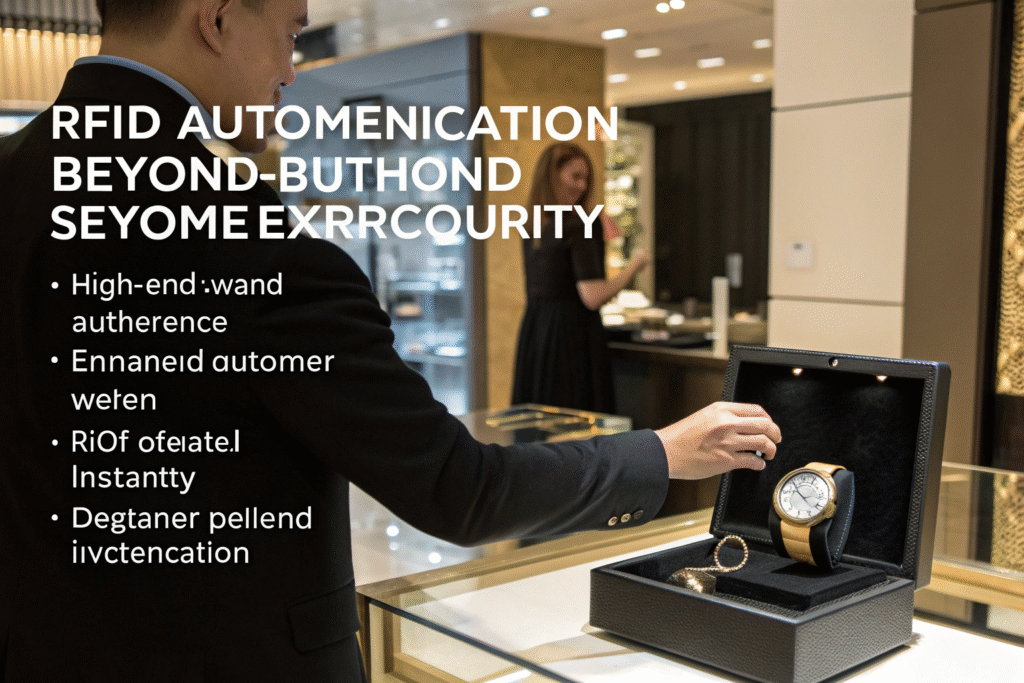
Instant verification plays a crucial role in purchase confidence by allowing customers to authenticate products using smartphone apps or in-store readers before purchasing, eliminating doubts about product legitimacy. This immediate reassurance is particularly valuable for online purchases and pre-owned luxury items, where authentication concerns traditionally deter buyers. Brands implementing RFID authentication typically see 25-40% increases in online conversion rates and 60% reduction in return rates due to authenticity concerns. Consumer behavior research from McKinsey shows that trust verification significantly impacts luxury purchasing decisions.
How Does Ownership Registration Benefit Luxury Consumers?
Ownership registration benefits luxury consumers by creating digital proof of ownership that facilitates insurance claims, simplifies warranty services, and enables personalized communications from the brand. When customers register their RFID-authenticated belts, they typically receive digital ownership certificates, care instructions tailored to specific materials, and invitations to brand events. This registered relationship transforms one-time purchases into ongoing brand relationships, with registered owners demonstrating 3-5x higher lifetime value than non-registered customers. CRM data from Salesforce shows the impact of product registration on customer retention.
What Supply Chain Applications Support Authentication?
RFID technology provides supply chain visibility that supports authentication while delivering operational benefits throughout the product lifecycle.
Supply chain applications include production tracking, inventory management, distribution monitoring, and retail security. Each application creates verification points that support overall authentication.

How Does Production Integration Prevent Diversion?
Production integration prevents diversion by embedding RFID chips at the manufacturing stage and recording this association in secure databases before products enter the supply chain. This creates an unforgeable birth certificate for each belt that follows it through distribution. The most secure systems use dual-authentication requiring both factory and brand headquarters to validate chips before activation, eliminating opportunities for unauthorized production or early diversion. Supply chain security protocols from GS1 provide standards for production-integrated RFID systems.
What Inventory Management Benefits Support Authentication?
Inventory management benefits that support authentication include real-time stock visibility, automated reconciliation, and theft prevention—all creating audit trails that verify product legitimacy. When each belt's unique RFID signature is recorded at every supply chain touchpoint, any deviation from expected patterns flags potential authentication issues. Luxury retailers using RFID inventory systems typically achieve 99.5%+ inventory accuracy compared to 85-90% with manual systems, significantly reducing opportunities for counterfeit introduction. Retail operations research from Harvard Business Review documents RFID's impact on inventory accuracy.
How Does RFID Protect Brand Value and Intellectual Property?
The long-term protection of brand equity and intellectual property represents one of the most significant benefits of RFID authentication systems.
Brand protection benefits include counterfeit deterrence, gray market prevention, brand reputation preservation, and legal enforcement support. Each element contributes to maintaining brand value.

How Does RFID Deterrence Impact Counterfeiting Economics?
RFID deterrence impacts counterfeiting economics by raising replication costs to economically unviable levels while reducing consumer demand for fakes due to easy verification. While visual authentication features might add $2-5 to production costs that counterfeiters can easily absorb, implementing functional RFID systems would require $50+ per unit and access to secure databases—making counterfeiting economically impractical. This economic barrier proves more effective than legal action alone. Economic analysis from the Organization for Economic Cooperation and Development shows that technological barriers reduce counterfeiting more effectively than legal measures.
What Legal Advantages Does RFID Authentication Provide?
RFID authentication provides legal advantages by creating digitally verifiable evidence that supports trademark enforcement, customs interventions, and civil litigation against counterfeiters. When brands can instantly demonstrate product authenticity with 99.9% certainty, they achieve higher success rates in takedown requests, border seizures, and legal actions. The evidentiary strength of RFID authentication has led to its increasing acceptance in court proceedings worldwide. Legal frameworks from the International Chamber of Commerce recognize digital authentication evidence in intellectual property cases.
Conclusion
RFID tracking represents the most comprehensive solution for luxury belt authentication, combining unforgeable security, enhanced customer experiences, supply chain transparency, and robust brand protection. The technology has evolved from simple inventory management to sophisticated authentication systems that address the luxury industry's most pressing challenges.
The investment in RFID authentication delivers returns through reduced counterfeiting impact, increased customer trust, improved operational efficiency, and preserved brand equity. If you're protecting luxury belt collections and need manufacturing partners with RFID integration expertise, our production facilities include specialized RFID implementation capabilities. Contact our Business Director, Elaine, to discuss how we can integrate RFID authentication into your luxury belt collections. Reach out to Elaine at elaine@fumaoclothing.com. Let's create authentication systems that protect your brand and assure your customers.